Why Water Filtration Maintenance Is Essential
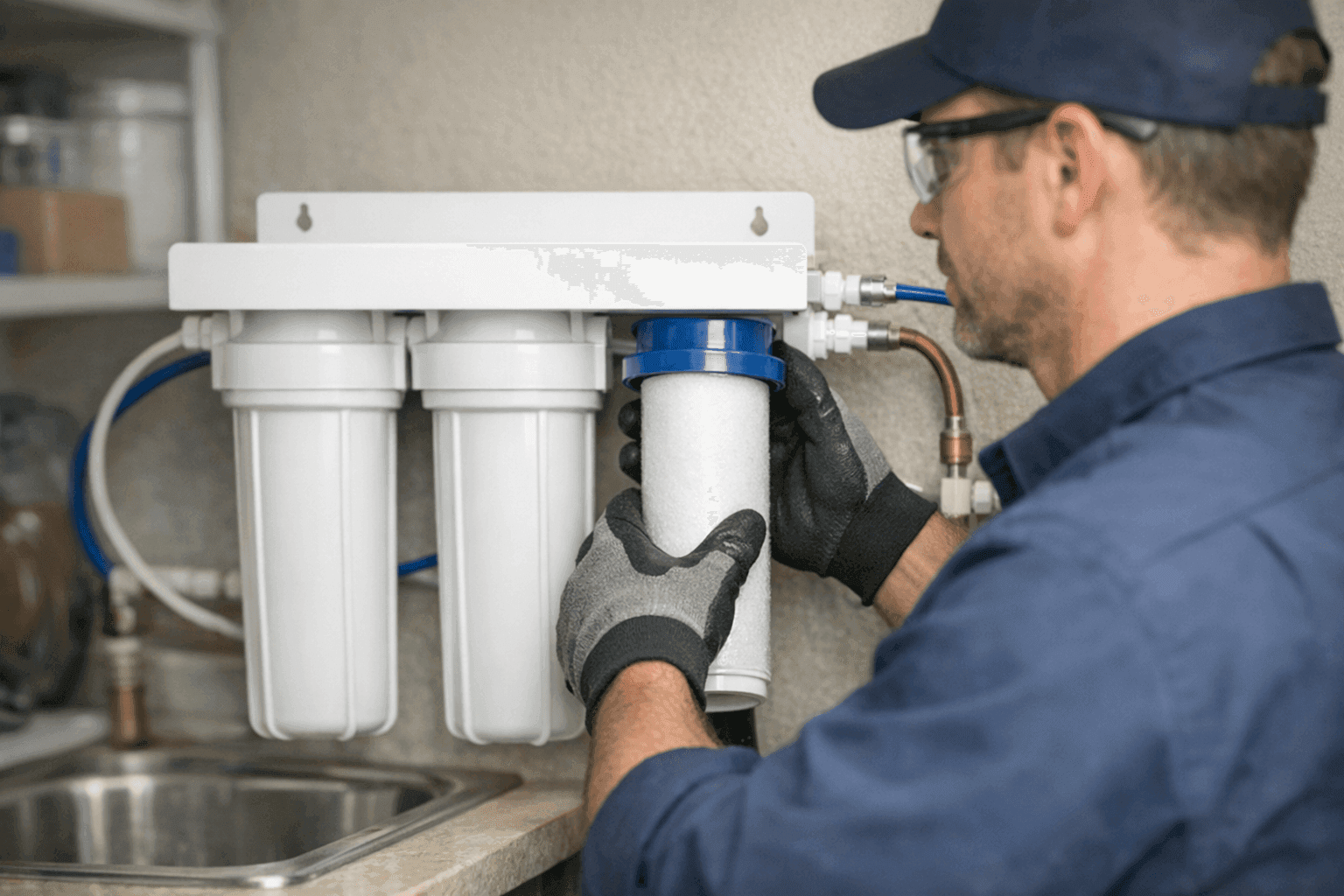
Clean, safe water isn’t just a luxury. It’s a necessity for your family’s health and your home’s plumbing. But even the best water filtration system can only do its job if it’s cared for.
If you’ve ever poured a glass of water and worried about what’s in it, you’re not alone. Water filtration maintenance is more than a “nice to have.” It’s the quiet guardian behind every healthy sip you take.
Why Maintenance Matters for Water Filters 🛠️
Think of your water filter like the gatekeeper at a castle. Its job? Stop unwanted guests—like sediment, chemicals, and bacteria—from getting inside. But over time, even the strongest gate becomes clogged.
A neglected filter turns into a sponge full of grime. Water slows to a trickle. Contaminants sneak by. According to the CDC, poorly maintained filters can allow bacteria and chemicals back into your water. That means the very system designed to protect your household could become a hidden risk.
Routine maintenance keeps your filtration system sharp and your plumbing healthy. It also extends the life of every connected appliance—dishwashers, washing machines, water heaters—by preventing scale and buildup before it starts.
Signs Your Filter Needs Service
How can you tell if your water filtration system is raising the white flag? Watch for these classic signs:
- Water starts tasting or smelling odd—metallic, musty, or just “off.”
- Filtered water flow drops to a weak trickle.
- You spot visible sediment or discoloration in glasses or sinks.
- You notice residue building up on faucets, fixtures, or inside appliances.
- The filter indicator light (if you have one) is on, or past due for replacement.
If you’re experiencing any of these, it’s time to act. The longer you wait, the more you risk plumbing issues, from clogged pipes to costly appliance repairs.
The Hidden Costs of Skipped Maintenance
Skipping filter changes might seem harmless. But over time, dirty filters can:
- Reduce overall water pressure throughout your home
- Shorten the lifespan of pipes and fixtures
- Increase your risk of leaks, corrosion, and water heater problems
- Lead to health issues if bacteria or chemicals slip through
It’s a chain reaction—one neglected filter can lead to a host of plumbing headaches. According to the Environmental Protection Agency (EPA), regular maintenance is a key safeguard for water quality.
DIY vs. Professional Maintenance
Some filters are straightforward to change. Twist, pull, replace. Others are tucked behind panels or under kitchen sinks, where access is tight and leaks hide.
DIY maintenance can work if:
- You have simple cartridge filters with clear instructions
- You’re comfortable shutting off water and following safety steps
- You understand your system’s specific maintenance schedule
Call a professional when:
- The system is more complex (reverse osmosis, whole-house, or multi-stage filters)
- You’re dealing with unusual tastes, odors, or plumbing leaks
- You see signs of mold, rust, or water damage near your unit
- You want a full inspection to check for hidden problems
A licensed plumber doesn’t just swap out filters. They check for leaks, test water pressure, and inspect connections for early warning signs. For trickier jobs, like water filtration system maintenance or integration with your home’s plumbing, professional service is worth every penny.
Quick Safety Checklist Before You Start
Before touching your filtration system, run through this quick checklist:
- Shut off the water supply to the filter
- Release any built-up pressure (turn on a faucet to drain)
- Wear gloves to avoid direct contact with contaminants
- Have a clean workspace ready for new filters
- Dispose of old filters according to manufacturer instructions
Not sure about a step? Most water filter brands include safety details in their manuals. When in doubt, call a licensed plumber.
What Professionals Do During Maintenance
Ever wonder what happens during a professional filter service? Here’s a peek:
- Inspect seals, O-rings, and connections for leaks or wear
- Test water pressure and flow before/after filter change
- Replace cartridges, membranes, or UV lamps as needed
- Clean housings and sanitize components
- Check for early signs of corrosion or hidden leaks
- Run a full system flush to clear out trapped contaminants
Pro plumbers see things most homeowners miss. They catch tiny leaks, rust spots, and pressure drops before they become big plumbing problems.
Preventative Maintenance: The Smartest Investment
Your water filter is just one part of your home’s plumbing. Routine checkups prevent problems before they start—saving time, money, and stress.
Consider scheduling regular preventative maintenance for your whole system. This isn’t just about filters. It covers pipes, fixtures, and even water heaters. Think of it as a health checkup for your home.
Common Mistakes with Water Filtration Systems
Even the best intentions can go sideways. Here are some mistakes to avoid:
- Forgetting to track filter change dates
- Using the wrong type or brand of filter cartridge
- Skipping routine system flushes after changing a filter
- Ignoring small leaks around fittings or housings
- Waiting for water to taste bad before acting
A simple calendar reminder—or a label on your filter—can help you stay ahead. Remember, early attention is always cheaper than a major repair.
When It’s an Emergency
Sometimes, water filtration issues can’t wait. If you notice:
- A sudden drop in water pressure throughout your house
- Flooding or water pooling near your filter system
- Discolored water that doesn’t clear after flushing taps
- Odd noises from pipes or filtration units
Shut off your water and call a plumber immediately. In urgent situations, help is available locally—including for those searching for Garbage Disposal Repair near you.
If you’re in the region and need fast help, our team is available for Bowling Green area homeowners who need urgent plumbing support.
Seasonal Considerations for Filter Maintenance
Every season brings its own challenges:
- Winter: Cold temps can cause pipes and filters to freeze or crack. Check for insulation and leaks.
- Spring: Melting snow and heavy rains may stir up sediment or overload sump pumps—good times to check filters and drains.
- Summer: High demand from irrigation and showers can strain your system.
- Fall: Falling leaves and debris can clog exterior drains and filters.
Set a seasonal schedule for checking your system—even if it’s just a quick look.
How to Prepare for Service
If you’ve booked a maintenance visit, a little prep can save time:
- Clear out the area around your filter unit
- Make a list of any plumbing issues or odd smells you’ve noticed
- Gather manuals or paperwork for your system
- Know where your main water shutoff is (just in case)
Prepared homeowners get faster, smoother service—and more value from each visit.
FAQ: Your Top Water Filtration Maintenance Questions Answered
How often should I change my filter?
Most filters need replacement every 3–6 months, but it depends on water quality, family size, and system type. Always check your manufacturer’s guidelines.
What if I have well water or live in an older home?
Older plumbing or untreated well water may require more frequent checks. Contaminant levels can fluctuate, so regular testing is smart.
Can water filtration solve all water quality problems?
Filtration systems are powerful, but not magic. Some issues—like lead pipes or old galvanized plumbing—require more than just a filter.
Timeline & Disruption: What to Expect
Most filter changes take less than an hour, with minimal disruption. More complex systems or repairs may need a half-day. Your plumber should explain every step before starting.
Materials & Equipment Homeowners Should Keep On Hand
- Extra filters or cartridges (stored per manufacturer guidelines)
- Clean towels and a bucket (just in case)
- A flashlight for under-sink systems
- Your system’s manual and maintenance log
Staying stocked means you’re ready when it’s time.
Leak Detection: Why It Matters
Even a tiny drip near your filter can lead to big trouble. Water leaks waste resources, cause mold, and damage cabinets or floors. If you ever spot a leak, act fast—shut off the supply and call a plumber.
Regular leak checks are a key part of preventative plumbing care, and help keep your filtration system working its best.
Building Healthy Habits for Clean Water
Water filtration maintenance isn’t a chore—it’s peace of mind. Each small step protects your family, your plumbing, and your home’s value.
If you need help with maintenance, filter changes, or have questions about your system, Julius La Rosa Plumbing is here for you.
Call Julius La Rosa Plumbing now — or reach us anytime at 855-598-5280 .