Top Signs Your Garbage Disposal Needs Repair
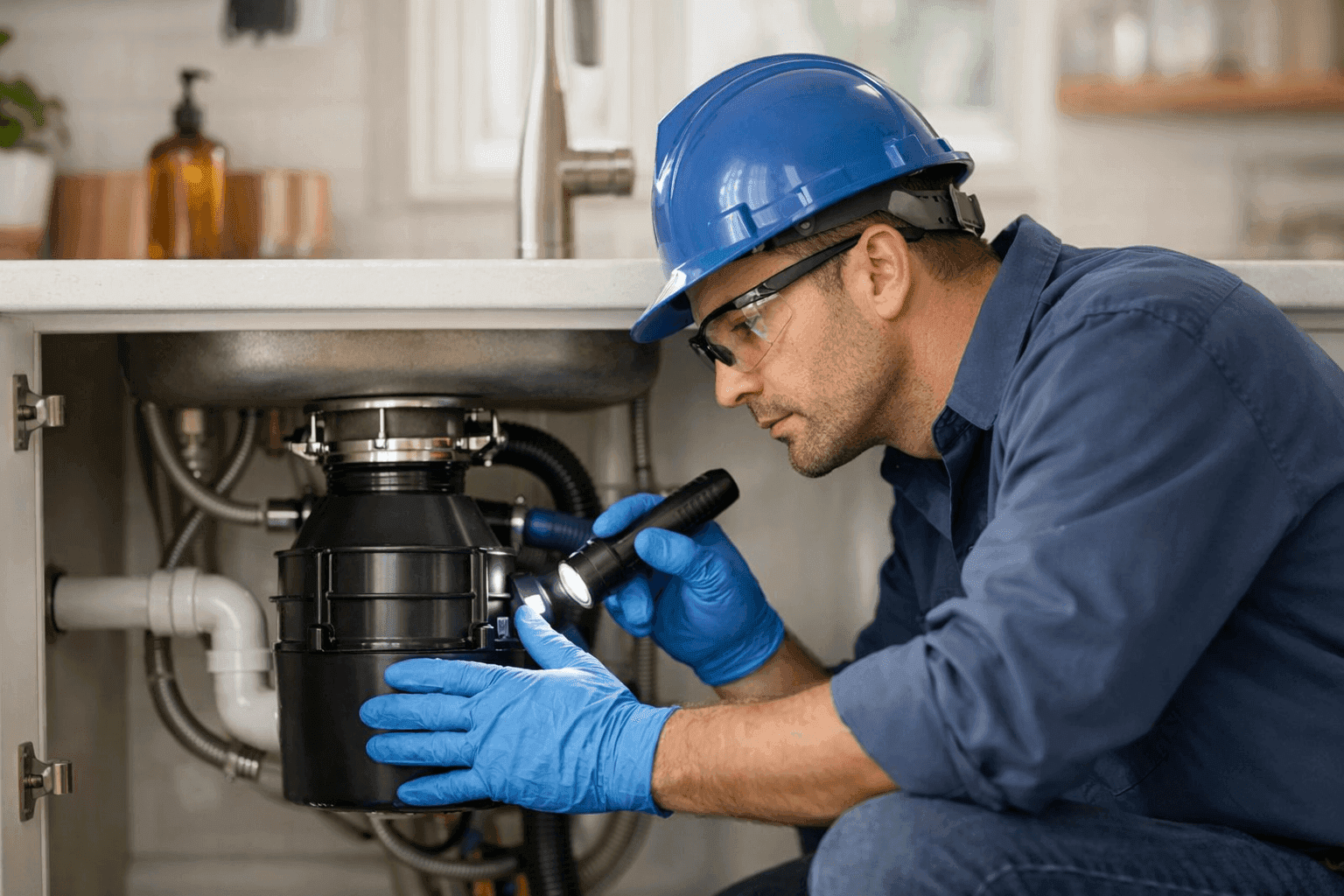
Have you ever flipped the switch on your garbage disposal and heard a sound that made you cringe? Or maybe your kitchen sink is suddenly refusing to drain, and you’re left wondering if last night’s dinner scraps are the culprit. You’re not alone—garbage disposals work hard and show signs when they need help.
When these warning bells ring, it’s tempting to ignore them. But just like a car engine that rattles, a struggling garbage disposal can lead to bigger headaches down the road. At Julius La Rosa Plumbing, we see firsthand how early attention can save homeowners both time and hassle.
Common Malfunctions: What’s Not Right? 🔧
A healthy garbage disposal hums softly and gets the job done. When things go off track, it usually starts with subtle shifts. Here are the most common signs yours may need repair:
- Strange or Loud Noises: If you hear metal-on-metal grinding, rattling, or unexpected clanks, something’s up. Sometimes, it’s a stray utensil. Other times, it’s a sign of worn-out or broken parts inside the unit.
- Persistent Clogs: A disposal that backs up even after clearing visible debris needs attention. This could point to a jammed flywheel, dull blades, or a deeper clog in the kitchen drain.
- Water Leaks: Puddles under the sink might mean a failed seal, cracked housing, or loose plumbing connections. Leaks don’t fix themselves—they only get worse.
- Frequent Resets: If you regularly have to press the reset button, your disposal may be overheating or encountering electrical issues.
- Slow Draining: When water lingers in the sink, it’s usually a sign that your disposal or drain line is obstructed.
Each of these symptoms means your disposal is trying to tell you something. Don’t let a whisper turn into a shout.
Quick Safety Checklist Before You Touch Anything
Before doing anything under the sink, remember: safety comes first. Here’s what to keep in mind:
- Never put your hand inside the disposal, even when it’s off.
- Always turn off the power—unplug the unit or shut off the breaker.
- Use tongs or pliers to remove visible blockages.
- Check the manufacturer’s manual for model-specific instructions.
According to the National Electrical Code (NEC) and appliance manufacturers, disposals should always be serviced with the power disconnected. Even a quick inspection can be dangerous if safety steps are skipped.
What Shouldn’t Go Down Your Garbage Disposal?
Think of your disposal as a helpful assistant, not a bottomless trash can. Feeding it the wrong things can cost you dearly:
- Grease and Oils: These solidify in pipes, causing stubborn clogs.
- Fibrous Foods: Celery, corn husks, and onion skins wrap around the blades.
- Coffee Grounds & Eggshells: These tiny particles form sludge, blocking drains.
- Bones or Hard Pits: They can break blades or jam the mechanism.
- Non-Food Items: Utensils, sponge bits, wrappers—nothing but food should go in.
Stick to soft scraps in small amounts, run cold water while grinding, and let the water run for several seconds after shutting off the disposal.
DIY Troubleshooting vs. Professional Help
It’s tempting to become a weekend warrior when your disposal quits. Sometimes, a DIY fix makes sense:
- Pressing the reset button if the unit won’t start.
- Checking for visible obstructions (with the power off!).
- Using a hex key to manually rotate the flywheel (follow the manual).
But if these simple steps don’t solve the problem, resist the urge to tinker further. Most homeowner fixes end where specialized tools or technical knowledge begin. Opening the unit or handling electrical repairs without training can lead to injury or property damage.
When to Call a Plumber (and Why It Matters)
How do you know it’s time to bring in a pro? Here’s when you should reach out:
- The disposal hums but doesn’t spin.
- Leaks under the sink keep returning.
- You smell burning, or see sparks.
- The unit trips the circuit breaker repeatedly.
- DIY attempts haven’t resolved the issue.
Plumbers like Julius La Rosa Plumbing are trained to diagnose and repair disposals safely. We follow manufacturer guidelines and local plumbing codes, ensuring repairs last and your home stays safe. When you need reliable garbage disposal repair near you, it’s best to let the pros handle the heavy lifting.
The Risks of Ignoring Early Warning Signs
Letting that weird noise or small leak slide can seem harmless—at first. But a neglected disposal can lead to:
- Flooded cabinets and water damage.
- Mold growth from persistent leaks.
- Electrical shorts or appliance failure.
- Foul odors that linger in your kitchen.
- Total unit replacement instead of a simple fix.
The longer you wait, the more complicated—and expensive—the repair can become. Early intervention stops the snowball before it rolls downhill.
What Plumbers Do On Arrival
Curious what happens when you call for help? Here’s a typical visit:
- Inspect the disposal and connections for obvious wear or damage.
- Check for electrical issues and test the power supply.
- Remove any blockages or foreign objects.
- Repair or replace damaged seals, blades, or gaskets.
- Test for leaks and ensure everything drains properly.
- Advise on best practices to keep your disposal running smoothly.
Professional plumbers not only fix the problem—they make sure it doesn’t come back.
Preventing Further Damage: Maintenance Matters 🛠️
A little care goes a long way. Here are habits that help your disposal last longer:
- Run cold water before and after each use.
- Cut large scraps into smaller pieces.
- Clean with a mix of ice cubes and rock salt every month.
- Use citrus peels (in moderation) to freshen up odors.
- Schedule routine plumbing checks—especially in busy kitchens.
Following these habits, along with manufacturer recommendations, reduces the risk of breakdowns.
Seasonal Considerations for Garbage Disposal Health
Holidays and big gatherings put your kitchen plumbing to the test. More cooking means more scraps, and disposals can quickly get overwhelmed:
- Remind guests what not to put in the sink.
- Run the unit in small batches, not all at once.
- Plan a quick maintenance check before major events.
If you’re in a high-humidity area or an older home, seasonal checkups with a plumber can catch wear and tear before it becomes urgent. In regions like Biloxi and the surrounding area, humidity and salt air can accelerate corrosion, so regular inspection is extra important.
When It’s an Emergency
Flooded floors. Electrical smells. Water everywhere. Sometimes, the situation can’t wait:
- Shut off power at the breaker immediately.
- Avoid using the sink until repairs are complete.
- Call a plumber for emergency service.
Emergencies are rare, but when they happen, fast action protects your home and your family’s safety.
How Long Will Repairs Take?
Most garbage disposal repairs are quick—often under an hour if no major parts need replacing. If the unit is old or the damage is severe, a new installation may be faster and more cost-effective. Your plumber will walk you through options and timelines before any work begins.
What About Costs?
Costs vary depending on the issue. Minor repairs (like clearing jams or replacing seals) are typically affordable. Major leaks, motor failures, or full replacements can cost more. Regular maintenance helps avoid bigger bills down the line.
Common Mistakes Homeowners Make
- Ignoring small leaks or slow drains.
- Using chemical drain cleaners, which can damage seals.
- Overloading the disposal with too much food at once.
- Forgetting to run enough water.
- Trying to disassemble the unit without proper tools or knowledge.
Learning from these mistakes can mean the difference between a quick fix and a costly replacement.
Frequently Asked Questions
Can I use hot water in my disposal?
Manufacturers recommend cold water. Hot water can melt grease, causing it to solidify further down the line and create clogs.
How often should I clean my disposal?
A simple cleaning routine once a month keeps odors and buildup at bay.
Is it safe to use the disposal if it smells bad?
A bad smell usually means food is stuck. Clean the unit and run plenty of cold water—if the smell persists, it’s time to check for deeper issues.
Preparing for Service: What to Expect
Before your plumber arrives:
- Clear out the cabinet under your sink.
- Make a note of what symptoms you’ve noticed.
- Be ready to point out when the problem started.
This helps your plumber get right to work—saving you time and mess.
Local Support Availability
Need help fast? Our team is ready to assist—whether you’re in the heart of the city or nearby neighborhoods, reliable plumbing help is always close by.
Keep Your Kitchen Running Smoothly
A dependable garbage disposal is key to a clean, efficient kitchen. Don’t let small problems turn into big ones. If your disposal’s making noises, leaking, or just not working like it used to, take action—your home (and your peace of mind) will thank you.
Call Julius La Rosa Plumbing now — or reach us anytime at 855-598-5280 .