How to Maintain Your Home’s Water Filtration System
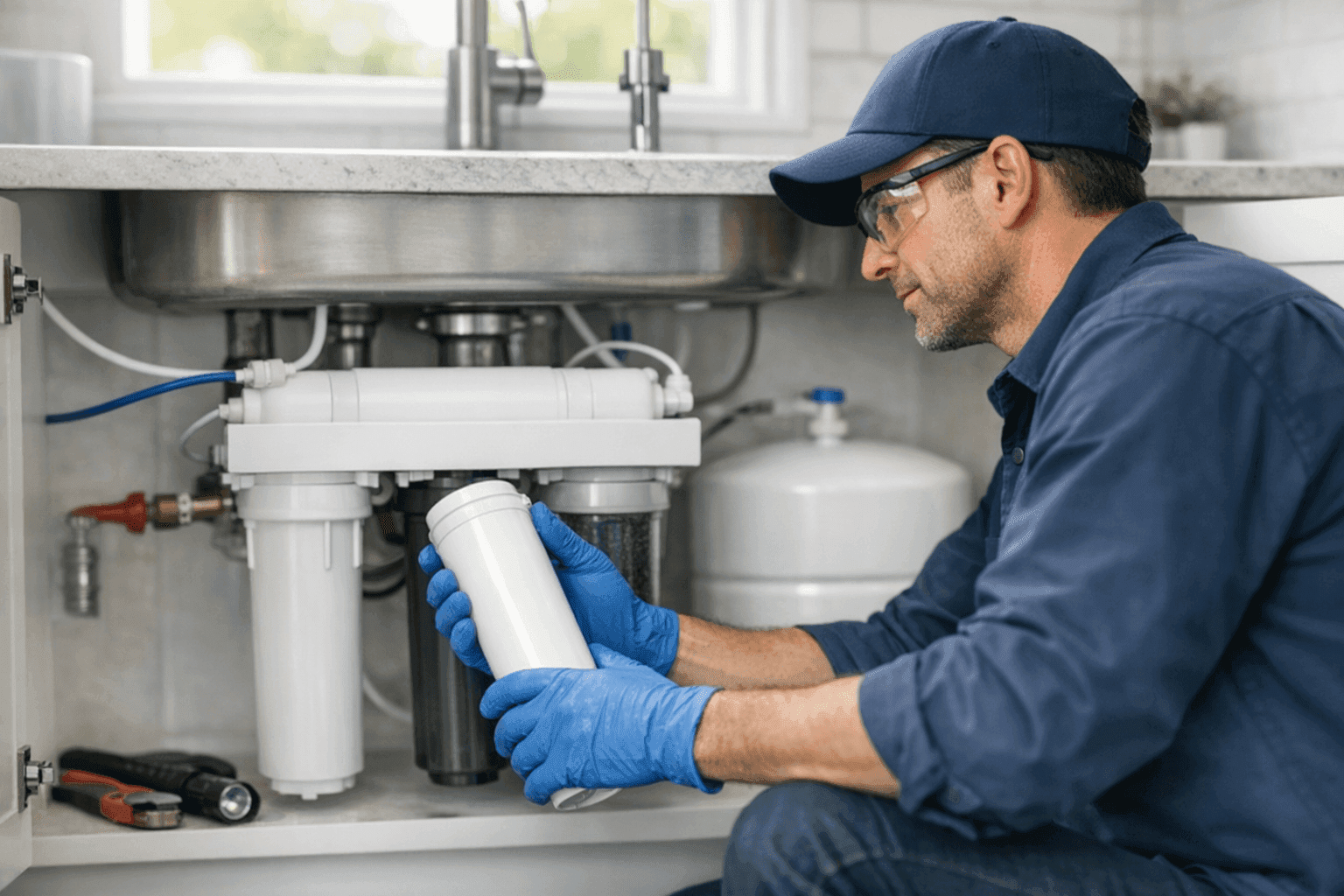
You rely on your water filtration system every day—sometimes without even thinking about it. Clean, safe water flows out of the tap, and the world feels right. But behind the scenes, your system works hard, quietly collecting impurities and keeping your family’s water fresh. Skip the care it needs? Suddenly, that invisible shield starts to slip.
At Julius La Rosa Plumbing, we know just how vital regular water filtration maintenance is. Whether you have a whole-home setup or a compact under-sink unit, a little upkeep goes a long way toward extending its life and protecting your health.
Why Maintenance Matters
Think of your water filtration system like a car’s engine. It hums along—until a clogged filter or worn part brings everything to a halt. Regular maintenance keeps your system running smoothly, ensures your water tastes clean, and helps avoid costly plumbing repairs down the road.
Neglected filters can turn into breeding grounds for bacteria or allow unwanted minerals to slip by. Inconsistent water quality, odd tastes, or even damage to pipes and fixtures can follow. That’s why basic maintenance isn’t just a good idea—it’s essential.
Filter Types and Replacement Schedules 🗓️
Not all filters are created equal. Here’s a quick overview of the most common types you might find in a residential setup:
- Sediment Filters: Capture sand, silt, and rust. Change every 3–6 months.
- Carbon Filters: Remove chlorine, odors, and organic compounds. Replace every 6–12 months.
- Reverse Osmosis (RO) Membranes: Filter out dissolved solids. Swap out every 2–3 years.
- Ultraviolet (UV) Lamps: Neutralize bacteria. Change bulbs yearly for maximum effectiveness.
Always check your manufacturer’s manual. Some systems have indicator lights or reminders. Others require you to mark your calendar, like a dentist appointment—easy to forget, but critical for peace of mind.
Cleaning and Sanitizing Units
Filters aren’t the only parts that need attention. The housing units and any holding tanks can collect grime and mineral deposits over time. A clean system means cleaner water.
Here’s how to tackle it:
- Turn Off Water Supply: Prevent accidental leaks.
- Release Pressure: Open a faucet to relieve built-up pressure in the lines.
- Remove and Inspect Filters: Discard old cartridges if it’s time.
- Clean Housing: Use mild soap and warm water. Avoid harsh chemicals that could leave residue.
- Sanitize: Some manufacturers recommend diluted bleach or special sanitizing tablets. Rinse thoroughly.
- Reassemble: Insert new (or rinsed, if reusable) filters, close up, and restore the water flow.
This deep clean is usually needed annually, or whenever you replace filters. Refer to EPA guidelines for water system sanitation to stay within recommended best practices.
Recognizing Signs of System Issues
Some problems announce themselves, like cloudy water pouring from the tap. Others are sneakier—a drop in water pressure, or a faint musty odor. Here are common red flags:
- Water tastes or smells strange, even after replacing filters.
- Cloudy or discolored water.
- Slow flow rate from filtered taps.
- Visible buildup or slime in filter housing.
- Unusual noises during system operation.
If you notice these signs, don’t ignore them. They’re your system’s way of waving a red flag.
Troubleshooting Cloudy Water
Cloudiness can be unsettling. Sometimes, it’s just harmless air bubbles that clear after a few seconds. But persistent cloudiness might mean a filter is overdue for replacement, or there’s an issue with the system’s seals or connections.
Try these quick checks:
- Ensure filters are seated correctly—misalignment can let unfiltered water bypass the system.
- Inspect for leaks or cracks in the housing.
- If you’ve recently changed the filter, flush the lines as recommended by the manufacturer.
If the problem sticks around, it might be time to call in a plumbing professional for a closer look.
Preventative Maintenance: The Secret Ingredient
Preventative maintenance is the unsung hero of home plumbing. Just as you change smoke detector batteries, make filter checks part of your household routine.
- Set reminders to inspect and replace cartridges.
- Keep a logbook of service dates.
- Schedule a yearly inspection, especially if your water supply changes (for example, after heavy rains or construction nearby).
Want to dive deeper into long-term care? Our preventative maintenance service offers periodic checkups tailored to your system’s needs.
Reading Manufacturer Instructions: The Owner’s Manual Advantage
It’s tempting to toss that thick booklet aside. But those pages hold the key to your system’s longevity. Every brand is a bit different—some use proprietary filters, others have specific cleaning protocols.
- Follow filter replacement intervals to avoid voiding warranties.
- Use only recommended cleaning agents.
- Adhere to safety guidelines for electrical components like UV lamps.
Manufacturers spend years perfecting their systems, so their instructions are worth following.
Professional Servicing: What to Expect
When a plumber arrives to inspect your filtration system, they’ll do more than swap out a cartridge. Here’s what a typical maintenance visit involves:
- Full inspection of the unit and plumbing connections.
- Water quality testing to check for contaminants.
- Pressure checks to spot leaks or clogs.
- System flush and housing sanitation.
- Advice on upgrades or repairs, if needed.
Scheduling professional service once a year—or more, if you have hard water or heavy usage—can catch small problems before they become big ones. For more details on options and what to expect, visit our water filtration systems page.
Seasonal Considerations and Water Quality
As seasons change, so can your water supply. Spring melt or heavy rains can introduce sediment into municipal lines. Summer can bring algae blooms, which affect taste and odor.
- After major weather events, check your filters for clogs.
- Consider an extra inspection before and after winter if your system is in a cold basement.
If you’re local, our team is available for seasonal support in St. Clair Shores and beyond.
DIY or Call a Pro?
Some maintenance tasks are as simple as changing a lightbulb. Others get tricky fast. If your system has electrical components, multiple filtration stages, or connections to your main plumbing, it’s wise to consult a licensed plumber.
Tackle filter changes and basic cleaning yourself if you’re comfortable. For leaks, odd noises, or persistent water quality issues, don’t risk a bigger mess—get professional help.
Quick Safety Checklist 🛑
- Always turn off the water supply before servicing your unit.
- Release pressure to avoid bursts or spills.
- Unplug electrical components before cleaning.
- Use gloves when handling used filters—trapped contaminants can be harmful.
- Properly dispose of old cartridges according to local regulations.
These steps protect you and your plumbing while you work.
Common Mistakes to Avoid
- Forgetting to replace filters on schedule.
- Using incompatible filter cartridges.
- Over-tightening housing units (can cause cracks).
- Ignoring leaks, however small.
- Skipping the annual deep clean.
Even small missteps can have big consequences for your water quality or plumbing system.
How Long Does Maintenance Take?
Most routine filter changes and cleanings take 10–30 minutes. A full system flush or professional inspection could take an hour or more, depending on your setup.
Plan ahead, and you’ll keep disruptions to a minimum.
Materials and Tools You’ll Need
- Replacement filter cartridges
- Bucket or towel for catching drips
- Adjustable wrench (if required)
- Non-abrasive sponge or cloth
- Mild cleanser or manufacturer-approved sanitizer
- Gloves
Keep these handy, and maintenance becomes a breeze.
When to Consult a Pro
Don’t hesitate to seek help if:
- You notice recurring issues after filter changes.
- Water quality tests show contaminants above safe levels.
- System components are cracked, corroded, or leaking.
- You’re installing a new unit or upgrading your filtration.
Plumbing codes and water safety standards change—professional insight ensures your system stays compliant and effective.
Keeping your water filtration system in top shape isn’t just a one-time task—it’s a habit. With regular care, you’ll enjoy cleaner water, longer-lasting plumbing, and fewer headaches.
Call Julius La Rosa Plumbing now — or reach us anytime at 855-598-5280 .