Sewer Line Inspection: What Every Homeowner Should Know
Sometimes, plumbing issues are like a storm brewing underground. The warning signs—slow drains, strange smells—are easy to ignore until it’s too late. As a homeowner, it’s tempting to hope it all just goes away. But when it comes to your sewer line, out of sight can mean out of mind…and out of pocket.
At Julius La Rosa Plumbing, we’ve seen first-hand how a simple inspection can save families from headaches, hefty repair bills, and messy surprises. Let’s pull back the curtain on what a sewer line inspection actually involves—and why it’s one of the smartest moves you can make for your home.
Why Inspect Your Sewer Line? 🕵️
Think of your sewer line as the silent highway beneath your house—the route every drop of wastewater takes to leave your home safely. Like any road, it can crack, clog, or cave in over time. Inspections shine a light on problems before they become disasters.
Why bother? Here’s what’s at stake:
- Preventing backups: Avoid raw sewage flooding your basement or yard.
- Protecting your investment: Sewer repairs are costly; finding issues early keeps costs down.
- Complying with local codes: Some cities now require inspections before selling a home.
- Peace of mind: Sleep better knowing your plumbing is flowing right.
Ignoring warning signs is like ignoring a rattling noise in your car. The risk grows until something breaks.
Camera Inspection Technology: Eyes Underground
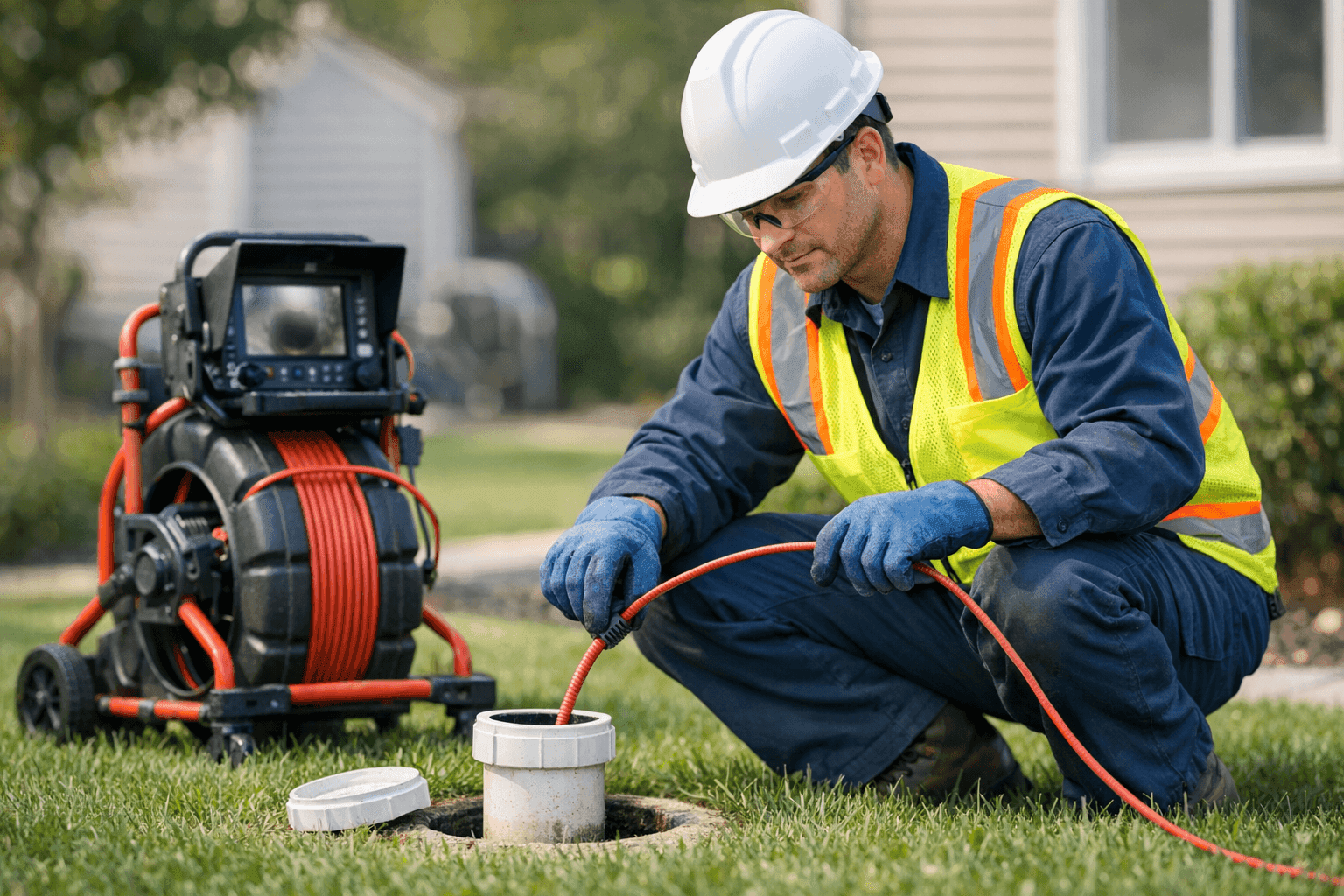
Gone are the days of guesswork. Modern plumbers use waterproof cameras snaked through your pipes. This isn’t sci-fi—it’s the gold standard. The video feed shows exactly what’s lurking: cracks, roots, buildup, or worse.
What does the process look like?
- A technician removes a cleanout cap.
- A specialized camera is fed through the line.
- Real-time footage appears on a monitor, showing every inch of pipe.
- The plumber explains what’s seen, sometimes recording the video.
This technology finds problems without digging up your yard. It’s fast, minimally invasive, and accurate.
Common Problems Found During Sewer Line Inspections
You’d be surprised what turns up underground. The most frequent issues include:
- Tree root intrusion: Roots seek water and squeeze into pipe joints.
- Pipe corrosion: Older metal pipes rust and weaken over time.
- Blockages: Grease, wipes, and debris build up, narrowing flow.
- Cracks and collapses: Shifting soil or age causes pipes to break.
- Bellied pipes: Sagging sections trap waste and water.
These issues can start small but snowball quickly. Catching them early makes all the difference.
What to Expect During a Sewer Line Inspection
The process is straightforward, but every step matters. Here’s what a typical inspection with Julius La Rosa Plumbing looks like:
- Arrival and setup: We review your plumbing history and prepare the work area.
- Access: Using a cleanout or removing a toilet, we gain entry to the sewer line.
- Camera insertion: The camera snakes through the pipe, capturing high-definition video.
- Assessment: We explain what we see—roots, cracks, buildup, or blockages.
- Report and options: You get a clear summary and, if needed, options for repair.
Expect the process to take about an hour, with minimal disruption to your day.
Myths About Sewer Problems—Busted
Let’s clear up a few common misconceptions:
- Myth: Only old homes need inspections.
Truth: Even new homes can have construction debris or faulty connections. - Myth: If drains are working, my pipes are fine.
Truth: Many problems lurk for months before you notice surface symptoms. - Myth: Store-bought drain cleaners solve everything.
Truth: These can damage pipes and mask deeper issues. - Myth: Inspections are messy and destructive.
Truth: Modern inspections are clean, fast, and require no digging.
Signs You Might Need an Inspection
Trust your senses—if something’s off, don’t ignore it. Warning signs include:
- Persistent slow drains (all sinks, not just one)
- Gurgling sounds from toilets or drains
- Sewage smells inside or outside
- Wet patches or lush spots in the yard
- Backups in tubs or showers
If you notice any of these, it’s time to act.
DIY vs. Calling a Pro
It’s tempting to grab a plunger or pour chemicals down the drain. But sewer lines are complex. While plunging can help with minor clogs, deeper issues need a skilled hand—and the right tools.
Professional inspections use equipment you can’t rent at a big-box store. Plus, an experienced plumber understands the subtle clues in pipe condition and flow. Like a doctor reading an X-ray, it’s about knowing what to look for.
How Often Should You Inspect Your Sewer Line?
There’s no one-size-fits-all answer, but here’s what most plumbing codes and industry sources recommend:
- Routine check: Every 3–5 years for homes over 20 years old
- If buying a house: Always inspect before closing
- After major landscaping or construction: Heavy equipment and digging can damage lines
- If you’ve had frequent clogs: Annual checks are wise
Preventative maintenance beats emergency repairs every time.
What Happens If You Ignore Sewer Warning Signs?
It’s easy to hope a slow drain will fix itself. But plumbing problems rarely improve on their own. Risks of ignoring symptoms include:
- Raw sewage backflowing into your home
- Permanent damage to pipes, foundation, or landscaping
- Mold growth from hidden leaks
- Expensive, urgent repairs at the worst possible time
Home insurance often doesn’t cover gradual damage from neglected maintenance. Addressing issues early is the safest (and most affordable) route.
Choosing a Qualified Professional for Inspection
Not all plumbers are created equal. When selecting someone to inspect your sewer line, look for:
- Licensing and insurance: Make sure they meet state and local requirements.
- Certified technicians: Ask about training and credentials.
- Clear, upfront pricing: No surprises, just straight talk.
- Camera inspection equipment: Insist on modern tools.
- References: Check reviews or ask neighbors.
Julius La Rosa Plumbing follows industry standards like the Uniform Plumbing Code and ensures all technicians are up to date on safety protocols.
The Risks of Delaying Sewer Line Maintenance
Putting off an inspection is like driving with your check engine light on. Small leaks and cracks can become full-blown breaks, flooding your home or yard. Emergency repairs are disruptive, expensive, and stressful.
Routine inspections, on the other hand, catch problems while they’re manageable. It’s an investment in your home’s health—and your own peace of mind.
The Role of Sewer Line Inspections in Preventative Maintenance
Think of an inspection as a yearly check-up for your plumbing system. Identifying small leaks, early corrosion, or root invasion keeps everything running smoothly. Combined with regular drain cleaning and attention to water pressure, you can prevent most major disasters.
If you’re curious about the details of our process, take a look at our sewer line inspection service page for a step-by-step breakdown.
When It’s an Emergency: Act Fast
If sewage is backing up or water is pooling indoors, don’t wait. Shut off your main water valve if safe to do so, and call for immediate help. Fast action limits damage and can save thousands in repairs.
Residents can count on our local team in Wilmington for timely assistance when emergencies strike.
What to Do Before the Plumber Arrives
A few simple steps can make the inspection smoother:
- Clear access to your main cleanout or basement area
- Keep pets and kids clear of the workspace
- Write down any symptoms or recent plumbing work
- Avoid using water just before the technician arrives—this keeps pipes clear for the camera
Seasonal Considerations: Timing Your Inspection
Spring thaw and heavy rains can stress your sewer line. Roots grow aggressively in warm months, seeking moisture from tiny pipe cracks. If you’ve had recurring problems, schedule inspections in spring or summer for best results.
Understanding Costs and Time Factors
While costs vary, a professional sewer line inspection is a minor investment compared to full-scale repairs. Most take about an hour, though older homes or complex systems may take longer. Always ask for a detailed quote—and don’t be shy about questions.
Frequently Asked Questions
Is camera inspection safe for my pipes?
Yes! The cameras are designed to be gentle and won’t damage even older pipes.
Can I use drain cleaners instead?
Chemical cleaners can harm pipes and don’t address bigger issues like cracks or roots.
Is it worth inspecting before selling my house?
Absolutely. It can prevent last-minute surprises and give buyers confidence.
Final Thoughts: The Value of Proactive Sewer Care
Homeownership means keeping a lot of plates spinning. Sewer line inspections might not be glamorous, but they’re one of the best insurance policies you can buy for your plumbing system. A little attention now saves time, money, and hassle down the road.
Call Julius La Rosa Plumbing now — or reach us anytime at 855-598-5280 .