Why Schedule Professional Leak Detection?
Is there a mysterious puddle in your basement? Have you caught the faint sound of dripping water in the walls late at night? Even the tiniest leak can turn into a major headache, threatening your home, your belongings, and your peace of mind.
At Julius La Rosa Plumbing, we know that hidden leaks rarely announce themselves. They lurk in silence—wasting water, feeding mold, and quietly eroding the structure of your home. That’s why being proactive with professional leak detection isn’t just smart. It’s essential.
How Professionals Find Hidden Leaks 🕵️
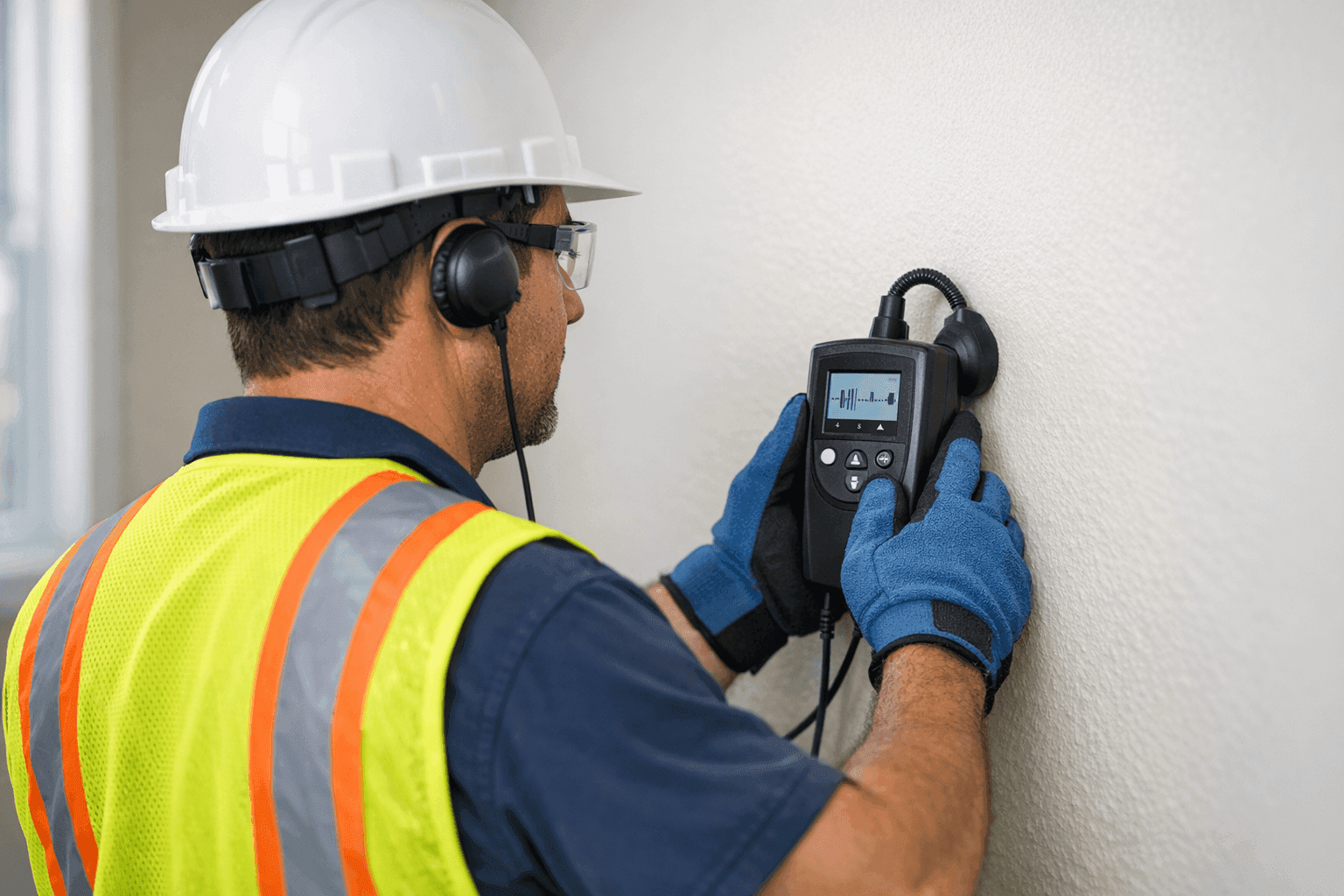
Picture this: chasing a mouse in a maze with a blindfold on. That’s what DIY leak hunting can feel like. Professional plumbers, however, use sophisticated tools—like acoustic sensors, infrared cameras, and pressure gauges—to pinpoint leaks behind walls, under floors, or even underground.
Here’s how the process usually unfolds:
- Acoustic Listening Devices: These sensitive microphones “hear” the sound of water escaping from pipes, even when it’s out of sight.
- Infrared Thermal Imaging: Detects subtle temperature changes caused by leaking water, revealing hidden trouble spots.
- Moisture Meters: Measure dampness in walls, ceilings, or floors without causing damage.
- Pressure Testing: Helps locate drops in pressure that signal a sneaky leak.
This technology-driven approach means less guesswork—and less disruption for your family.
Signs You Might Have a Hidden Leak
Not all leaks show up as obvious drips or gushing water. Keep an eye out for:
- Unexplained increases in your water bill
- Musty odors, especially in basements or bathrooms
- Staining or bubbling paint on walls and ceilings
- Warped flooring or soft spots
- The sound of running water when all taps are off
If any of these signs crop up, it’s time to take action. Ignoring the clues can lead to much bigger repairs down the road.
Why Not DIY? The Real Risks
It’s tempting to grab a flashlight and start poking around. But without the right tools and know-how, you might end up tearing into walls or floors—creating more mess, stress, and expense.
Professional leak detection minimizes damage because it’s precise. Instead of guessing, experts use data and experience. The result? Faster fixes, less disruption, and a safer home.
Benefits of Leak Detection Services
Why invest in this service? The reasons stack up quickly:
- Saves Money: Early detection prevents small leaks from becoming huge, expensive repairs.
- Protects Health: Water leaks can breed mold, which triggers allergies and respiratory issues.
- Preserves Structure: Unchecked leaks rot wood, weaken drywall, and undermine foundations.
- Eco-Friendly: Fixing leaks saves thousands of gallons of water each year—good for your wallet and the environment.
- Peace of Mind: Sleep better knowing your home is dry and safe.
For a deeper understanding of the process, explore our leak detection service—it’s a smart step for every homeowner.
Timeline: How Long Does Leak Detection Take?
Quick question: Will you need to take the day off work? Usually, no. Most residential leak detection jobs are completed in just a couple of hours. If your system is complex or the leak is especially hidden, it might take a little longer—but your routine won’t be upended.
What Happens When the Plumber Arrives
Expect a professional arrival—boot covers, drop cloths, and respect for your home. The tech will ask about your observations, then jump into a systematic inspection using advanced gear. There’s no wild guesswork; it’s methodical, data-driven, and tailored to your plumbing.
When Is Leak Detection an Emergency? 🚨
Not every drip is a disaster, but some leaks demand immediate help:
- Burst pipes (water gushing or flooding)
- Sewage smells (could signal a broken sewer line)
- Sudden drop in water pressure
- Water near electrical outlets
In these urgent cases, don’t wait. Immediate action can prevent severe water damage and safety hazards. If you’re in the area, our Wilmington team is available for emergencies and can respond promptly when every minute counts.
Preventative Maintenance: Catching Leaks Before They Start
An ounce of prevention beats a pound of repair. Regular plumbing checkups—including annual leak detection—can catch vulnerable spots before they burst. This is especially important in older homes, where pipes may be corroding out of sight.
The Environmental Protection Agency (EPA) recommends checking your home each year for leaks. Even small drips can add up to thousands of wasted gallons.
Seasonal Considerations: When Leaks Are Most Likely
Plumbing systems face different stresses as the seasons change:
- Winter: Pipes can freeze and crack. Watch for leaks during thaw cycles.
- Spring: Melting snow and heavy rains can reveal weaknesses in sump pumps and basement waterproofing.
- Summer: Tree roots may invade underground pipes, leading to slow leaks.
- Fall: Fluctuating temperatures can stress older pipes.
Scheduling inspections at the start of each season is a smart move.
Common Mistakes Homeowners Make
- Waiting too long: Hoping a leak will “go away” often makes things worse.
- Trying risky DIY fixes: Temporary patches usually don’t last.
- Overlooking small signs: Minor stains or musty smells shouldn’t be ignored.
A professional eye can separate normal wear from real trouble.
What About Leak Repairs?
Detecting a leak is step one; fixing it is just as important. Some leaks are simple—just a worn-out washer or a loose fitting. Others may require pipe repair, repiping, or even replacement of fixtures.
If your inspection uncovers a problem, our leak repair team is equipped to handle it—quickly and efficiently.
Safety Checklist Before the Plumber Arrives 📝
- Turn off the main water supply if water is actively leaking.
- Move valuables away from affected areas.
- Write down when and where you’ve noticed signs of leaks.
- Keep pets and kids away from work zones.
Preparation helps the job go smoothly and keeps your family safe.
Are Leak Detection Services Worth the Cost?
Absolutely. The cost of professional leak detection is minor compared to the potential expense of repairing water-damaged floors, walls, or foundations—not to mention the cost of wasted water and higher bills.
Insurance industry data shows that water damage is one of the most common home insurance claims. Early detection can mean the difference between a quick fix and a major renovation.
Frequently Asked Questions
Will my home be damaged during the inspection?
No. Modern leak detection methods are non-invasive and designed to preserve your walls and floors.
Can you find leaks under concrete or behind walls?
Yes. Using specialized tools, plumbers can detect leaks in hard-to-reach areas without unnecessary demolition.
How often should I schedule leak detection?
Most homes benefit from an annual checkup, especially if you have an older plumbing system or have noticed warning signs.
Final Thoughts: Your Home, Safe and Dry
Water leaks might be silent, but the damage they cause is loud and clear. Scheduling professional leak detection is like getting a health check for your home—protecting your investment, your comfort, and your safety. Whether you’re worried about a hidden drip or just want peace of mind, it’s a worthwhile step for every homeowner.
Call Julius La Rosa Plumbing now — or reach us anytime at 855-598-5280 .