Why You Should Schedule Annual Plumbing Inspections
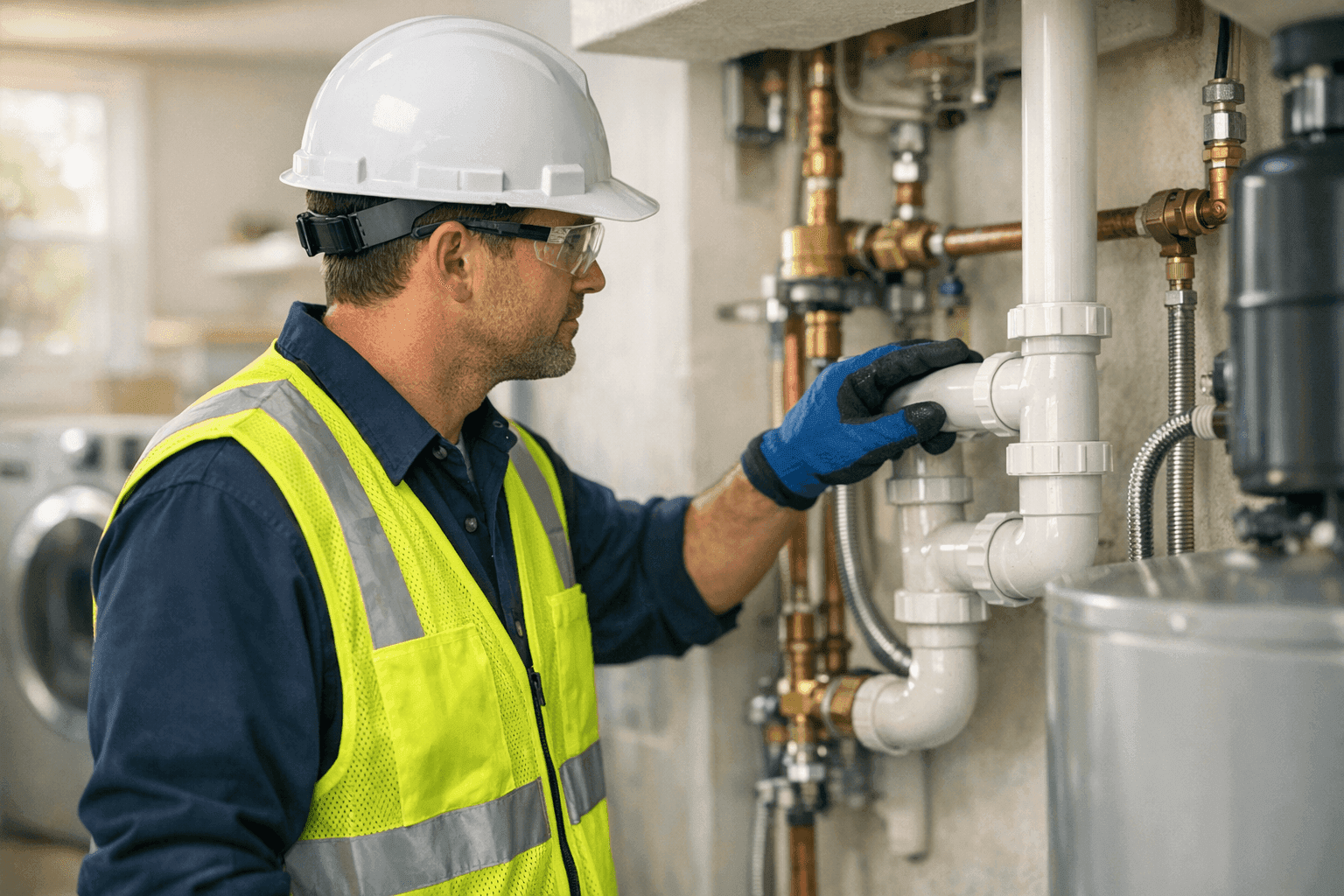
Every home has a hidden network of pipes, drains, and valves. Most of the time, it’s out of sight—until something goes wrong. If you’ve ever woken up to a burst pipe or a backed-up drain, you know just how quickly a small issue can become a household emergency.
At Julius La Rosa Plumbing, we see it every day: a little drip under the sink, a toilet that flushes slowly, or a strange rattle in the walls. When you catch these issues early with a routine inspection, you can stop headaches before they start.
What Happens During a Plumbing Inspection? 🛠️
A plumbing inspection isn’t just a quick glance under the kitchen sink. It’s a thorough, step-by-step look at your home’s vital systems. Here’s what professionals check:
- Pipes and Connections: Inspecting for corrosion, leaks, and weak spots.
- Fixtures: Testing faucets, toilets, showers, and tubs for drips or inefficiency.
- Water Heater: Assessing for safety, temperature, and possible sediment buildup.
- Water Pressure: Making sure it’s just right—never too high, never too low.
- Drains and Sewer Lines: Using tools like cameras to spot clogs or cracks deep inside.
- Appliance Hookups: Checking dishwashers, washing machines, and garbage disposals for safe connections.
- Gas Lines: Looking for leaks and ensuring everything is up to code.
The process is methodical, kind of like a pilot’s pre-flight checklist. Every box is ticked before the plumber signs off.
Top Benefits of Regular Inspections
Why bother with an annual checkup? The upsides are huge:
- Catch Leaks Early: Even a tiny leak can waste gallons of water over time, driving up your bill.
- Prevent Major Repairs: A small fix now beats a big, expensive repair later.
- Extend System Lifespan: Well-maintained pipes and fixtures last years longer.
- Lower Water Bills: Stop waste at the source.
- Peace of Mind: Sleep easy knowing your plumbing is in top shape.
The Environmental Protection Agency (EPA) notes that household leaks waste nearly one trillion gallons of water each year nationwide. Stopping leaks saves money—and the planet.
How Inspections Prevent Emergencies 🚨
Plumbing disasters rarely wait for a convenient time. They strike on holidays, weekends, or right before guests arrive. Regular inspections are like putting a smoke detector in your house: they don’t prevent every problem, but they give you time to act before things get out of hand.
A pro can spot a pinhole leak in a copper pipe or a hairline crack in a sewer line long before you notice water stains or backed-up drains. By scheduling annual plumbing inspections, you’re building a safety net for your home.
Common Problems an Inspection Can Uncover
Every house has quirks. Some are harmless, others less so:
- Slow drains: Could signal a clog deep in the system.
- Low water pressure: Might mean a hidden leak or mineral buildup.
- Unusual odors: Sometimes caused by sewer gas leaks or stagnant water.
- Strange sounds: Banging, rattling, or gurgling pipes usually aren’t just “old house noises.”
A trained eye can tell the difference between a minor annoyance and a major warning sign.
DIY Checks vs. Professional Plumbing Inspections
Sure, you can spot obvious drips or puddles yourself. But a professional brings experience and tools you just won’t have at home—like video cameras for inside pipes, or gauges to measure water pressure.
DIY checks are a great habit, but they’re no substitute for a yearly plumbing inspection from a skilled technician. Think of it like brushing your teeth versus going to the dentist.
Quick Safety Checklist for Homeowners
Between annual inspections, watch for:
- Water stains on ceilings, walls, or floors
- Rusty or greenish stains on pipes
- Musty smells near drains or basements
- Dripping sounds when water isn’t running
- Sudden spikes in your water bill
If you notice any of these, it’s time to call a professional.
What To Expect When the Plumber Arrives
A friendly face. Shoe covers. Respect for your home. Your plumber will:
- Review any concerns you have.
- Walk through visible plumbing, checking every fixture.
- Use specialized tools to inspect hard-to-reach pipes and drains.
- Explain any issues found and suggest practical, code-compliant solutions.
No unnecessary upsells—just facts and honest advice.
Costs, Time, and Disruption: The Real Story
Most inspections take 60–90 minutes. For an average-sized home, disruptions are minimal. You’ll probably spend less than a dinner out for peace of mind that lasts all year.
Catching problems early often means avoiding expensive, invasive repairs down the road.
Seasonal Considerations: Why Timing Matters 🌦️
Winter cold can freeze pipes. Summer storms can overwhelm sump pumps or sewers. The best time for a plumbing inspection is before seasonal extremes hit.
In some climates, spring and fall are ideal—right between the temperature swings.
How to Prepare for Your Annual Inspection
A little prep goes a long way:
- Clear space around sinks, water heaters, and access panels.
- Write down any unusual plumbing issues you’ve noticed.
- Have repair records handy if you can.
This helps your plumber work efficiently and spot patterns.
Signs You Shouldn’t Wait for Your Next Inspection
Sometimes, you can’t afford to wait:
- Sudden drop in water pressure
- Water pooling anywhere it shouldn’t
- Persistent bad smells from drains
- Gurgling toilets or slow drainage in multiple fixtures
If you’re in the middle of a plumbing crisis, timely local help is available with quick response when you need it most.
The Hidden Value: Protecting Your Home’s Health
Unchecked water leaks can lead to mold, rot, and even structural damage. The Centers for Disease Control and Prevention (CDC) warn that mold from water leaks can cause respiratory issues and allergies, especially in children and seniors.
A simple annual inspection keeps your home—and your family—safer.
Plumbing Code and Safety: Why Compliance Matters
Professional plumbers follow the Uniform Plumbing Code (UPC) and other local guidelines. This isn’t just red tape—it’s about safety. Gas lines, sewer connections, and backflow prevention all have strict rules for good reason.
An inspection ensures your home meets these standards, protecting you from hazards and legal headaches alike.
Avoiding Common Plumbing Mistakes
The biggest mistake? Waiting until there’s water on the floor. Others include:
- Using chemical drain cleaners (which can eat through pipes)
- Ignoring slow drains or low water pressure
- Failing to winterize outdoor faucets
Don’t gamble with your home. Schedule regular maintenance and take small issues seriously.
How to Make Plumbing Inspections Part of Your Home Routine
Mark your calendar. Pair your plumbing inspection with another annual task—like changing smoke detector batteries. Consistency is key.
For a look at what’s included or to see how preventative care can save you money, check out our preventative maintenance service.
Frequently Asked Questions About Plumbing Inspections
How often should I get an inspection?
Once a year is ideal for most homes. Older homes or those with large families may benefit from twice-yearly checkups.
Do I need to be home for the inspection?
Yes, so the plumber can access all areas and answer your questions.
Are inspections worth the cost?
Absolutely. The price of prevention is always lower than the cost of emergency repairs.
What if my home is new?
New homes can still develop leaks, clogs, or installation issues. An inspection ensures everything is running smoothly from day one.
The Julius La Rosa Plumbing Difference
We know your home is more than just pipes and fixtures—it’s where you live, relax, and make memories. That’s why our team approaches every inspection with care, honesty, and respect.
Whether you need routine care or fast help with a stubborn leak, Julius La Rosa Plumbing is ready when you are.
Call Julius La Rosa Plumbing now — or reach us anytime at 855-598-5280 .