What Causes Low Water Pressure in Homes? Top Solutions
Have you twisted open the faucet expecting a refreshing rush—only to be met with a disappointing trickle? Low water pressure can turn a simple shower into a test of patience. It’s frustrating. It’s inconvenient. And if left unchecked, it can hint at deeper plumbing issues lurking out of sight.
At Julius La Rosa Plumbing, we know how urgent it feels when your home’s water flow drops. Whether you’re facing a slow kitchen sink or struggling with a weak flush, understanding what’s behind low water pressure gives you back control. Let’s break it down, step by step.
Understanding Water Pressure 💧
Think of water pressure as the heartbeat of your home’s plumbing system. It’s what pushes water through pipes, up to your shower, and out to every tap. When it drops, everything slows down.
Water pressure is measured in pounds per square inch (PSI). Most homes run best between 40–60 PSI. Too low, and your daily routines suffer—washing, cleaning, even making coffee can take longer. Too high, and you risk pipe damage or leaks.
The right balance keeps your plumbing healthy and your life running smoothly.
Common Causes of Low Pressure
Low water pressure is like a detective mystery. The clues are everywhere—sometimes obvious, sometimes hidden behind walls. Here are some of the most common culprits:
Fixtures, Valves, Pipes
- Clogged Faucet Aerators or Showerheads: Over time, mineral deposits and debris build up, blocking the flow. If one fixture feels weak while others are strong, check here first.
- Partially Closed Shut-Off Valves: Every fixture has a valve. If turned even slightly, it can choke off water. Main water valves near your meter or at individual fixtures should always be fully open unless repairs are happening.
- Aging or Corroded Pipes: Old galvanized pipes can rust from the inside out, narrowing water’s path. It’s like trying to drink a milkshake through a straw filled with pebbles.
- Leaking Pipes: Water escaping before it reaches your faucet means less pressure at the tap.
- Pressure Regulator Failure: Some homes have a pressure-reducing valve (PRV) to keep things safe. If it fails, pressure can swing too high or too low.
- Hidden Blockages: Sediment, rust, or even a small toy (yes, it happens!) can lodge in pipes and restrict the flow.
DIY Checks and Fixes 🛠️
Before calling in professional help, a few simple checks might reveal the problem—and the solution.
- Test Multiple Fixtures: Is it just one sink, or every tap in the house? If it’s isolated, the problem is likely close to that fixture.
- Clean Aerators and Showerheads: Unscrew, soak in vinegar, and scrub away mineral deposits.
- Check Shut-Off Valves: Make sure all the valves under sinks, behind toilets, and near your main water supply are fully open.
- Inspect for Leaks: Look for damp spots, puddles, or mold on walls and ceilings. Listen for the subtle hiss of a hidden leak.
- Ask the Neighbors: If your entire block is experiencing low pressure, your city supply might be undergoing work or flushing hydrants.
- Review Your Pressure Regulator: If you feel comfortable, locate your PRV—usually near where the main water line enters your home. Adjust gently, but if you’re unsure, leave it to a pro.
Some fixes are simple. Others require specific tools, expertise, and a careful eye for safety.
When to Call a Plumber
You’ve checked the basics. Still no luck? Some water pressure issues hide deeper in your plumbing system or require specialized repair.
Call for professional help if you notice:
- Multiple Fixtures Affected: If pressure is low throughout your home, it often points to the main line, old pipes, or a malfunctioning regulator.
- Sudden Drop in Pressure: An abrupt change can signal a burst pipe or a major leak—don’t wait.
- Visible Water Damage: Stains, bubbling paint, or unexplained puddles mean water is escaping where it shouldn’t.
- Noisy Pipes: Banging, whistling, or rattling can mean water is struggling to get through.
- Older Home with Original Pipes: Aging supply lines may need an upgrade.
If you’re seeking more details on professional diagnosis and repair for water pressure issues, see our water pressure service page.
Signs of Trouble: Don’t Ignore These
Sometimes, low water pressure is just the tip of the iceberg. Watch for:
- Discolored Water: Rusty or brown water hints at corroded pipes.
- Frequent Clogs: Chronic blockages can indicate severe sediment buildup or pipe damage.
- Unexplained Spikes in Water Bills: Leaks waste water and money.
Ignoring these signs can lead to bigger, costlier repairs down the road.
Quick Safety Checklist
Safety always comes first. Before tackling any plumbing task:
- Turn off the water supply if working on pipes or fixtures.
- Never use excessive force when adjusting valves or fittings.
- Avoid chemical drain cleaners, which can damage pipes.
- If you smell gas or notice wet electrical outlets, leave the area and call for help immediately.
For more information, reputable sources like the International Association of Plumbing and Mechanical Officials (IAPMO) and your local building codes provide clear safety standards.
What Plumbers Do on Arrival
When Julius La Rosa Plumbing arrives, expect a thorough investigation:
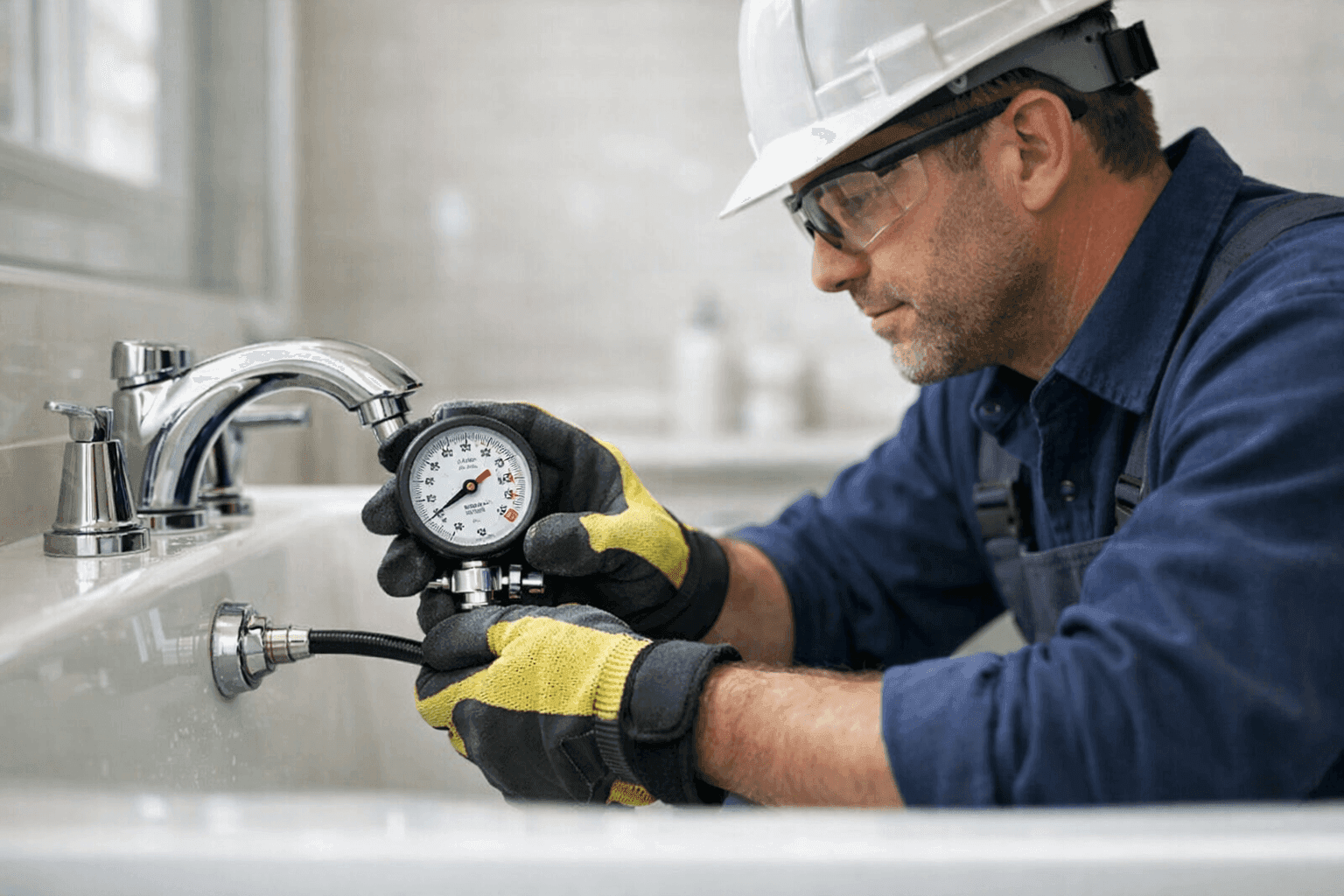
- Pressure Reading: We use professional gauges to measure household PSI.
- Valve and Regulator Inspection: Each shut-off and PRV is checked for proper function.
- Pipe Assessment: We look for corrosion, leaks, and blockages—sometimes with advanced leak detection equipment.
- Fixture Check: Aerators, showerheads, and supply lines get a close look.
- Water Quality Test: Hard water or sediment can cause unseen buildup.
Our goal: Find the root cause, not just the symptom.
Prevention & Maintenance Tips 🧰
A few habits can keep your water flowing strong:
- Remove and clean aerators every few months.
- Schedule regular plumbing inspections—especially in older homes.
- Address minor leaks quickly, before they grow.
- Flush your water heater annually to prevent sediment build-up.
- Know where your main shut-off valve is, just in case.
Regular maintenance now means fewer headaches later.
Materials & Equipment: What You Might Need
- Adjustable wrench and pliers
- White vinegar (for cleaning)
- Bucket and towels
- Flashlight
- Pressure gauge (available at most hardware stores)
For pipe repairs, repiping, or anything involving gas or electrical components, it’s safest to leave the work to licensed professionals.
Costs & Time Factors
Minor fixes—like cleaning aerators—can take under an hour and cost almost nothing. Replacing a pressure regulator, repairing leaks, or repiping older lines takes more time and investment.
Remember, delaying repairs often leads to bigger problems. Water damage, mold, and even structural issues can result from untreated plumbing concerns.
When It’s an Emergency
A sudden, severe drop in water pressure isn’t just annoying—it can be a sign of a burst pipe or a major leak. If you notice water pooling, hear rushing behind the walls, or lose pressure across your whole house, act fast.
Local support is available—readers in the area can find more about our residential plumbing help in West Babylon for prompt, reliable service.
Seasonal Considerations
Cold winters can freeze pipes and cause sudden drops in pressure. In summer, increased water use can reveal weak spots in your system. Keep an eye on pressure changes during these peak seasons.
Common Mistakes to Avoid
- Ignoring slow leaks or minor drops in pressure
- Over-tightening valves (can strip threads or cause leaks)
- Using harsh chemicals to clear blockages
- Waiting until a minor issue becomes a full-blown emergency
Timeline & Disruption: What to Expect
Most water pressure fixes are minimally disruptive, especially if caught early. Major repairs or pipe replacements may require shutting off water for several hours. Good communication with your plumber helps set expectations and minimize inconvenience.
FAQ: Low Water Pressure
Q: Does low pressure always mean a leak?
A: Not always. Sometimes it’s a simple clog, valve issue, or pressure regulator.
Q: How often should I check my water pressure?
A: Once a year, or anytime you notice a change in flow.
Q: Can I fix low water pressure myself?
A: Simple fixes are often DIY-friendly. For anything involving pipes inside walls, the main line, or gas lines, call a professional.
Low water pressure doesn’t have to slow down your home. If you’ve tried the basics and still need help, Julius La Rosa Plumbing is ready to get things flowing again. Call Julius La Rosa Plumbing now — or reach us anytime at 855-598-5280 .