Water-Saving Plumbing Fixtures: Reduce Waste and Lower Bills
Is your water bill climbing higher with every passing month? You’re not alone. Many homeowners flush thousands of gallons (and dollars) down the drain each year—often without realizing how easy it is to change. Upgrading plumbing fixtures isn’t just about modern looks; it’s about using water wisely.
At Julius La Rosa Plumbing, we help families make the switch to water-saving solutions that bring real results. It’s simpler than you might think—and the benefits stretch far beyond your wallet.
Why Water Efficiency Matters
Water isn’t just a tap away; it’s a finite resource. The EPA reports the average family can waste 180 gallons per week from household leaks alone. That’s like pouring out several full bathtubs every seven days. Imagine the relief—financial and environmental—when you cut that waste.
Local water authorities, including the U.S. EPA’s WaterSense program, recommend upgrading outdated fixtures to meet today’s efficiency standards. This isn’t just a suggestion. In many areas, it’s part of building codes and rebate programs.
The Big Three: Fixtures That Change the Game 🚿
Not all upgrades are created equal. When it comes to water savings, three fixtures make the biggest splash:
- Low-flow toilets: They use less than 1.28 gallons per flush, compared to old models that gulp down 3–7 gallons.
- Aerated faucets: Mix air with water, delivering strong flow while using less.
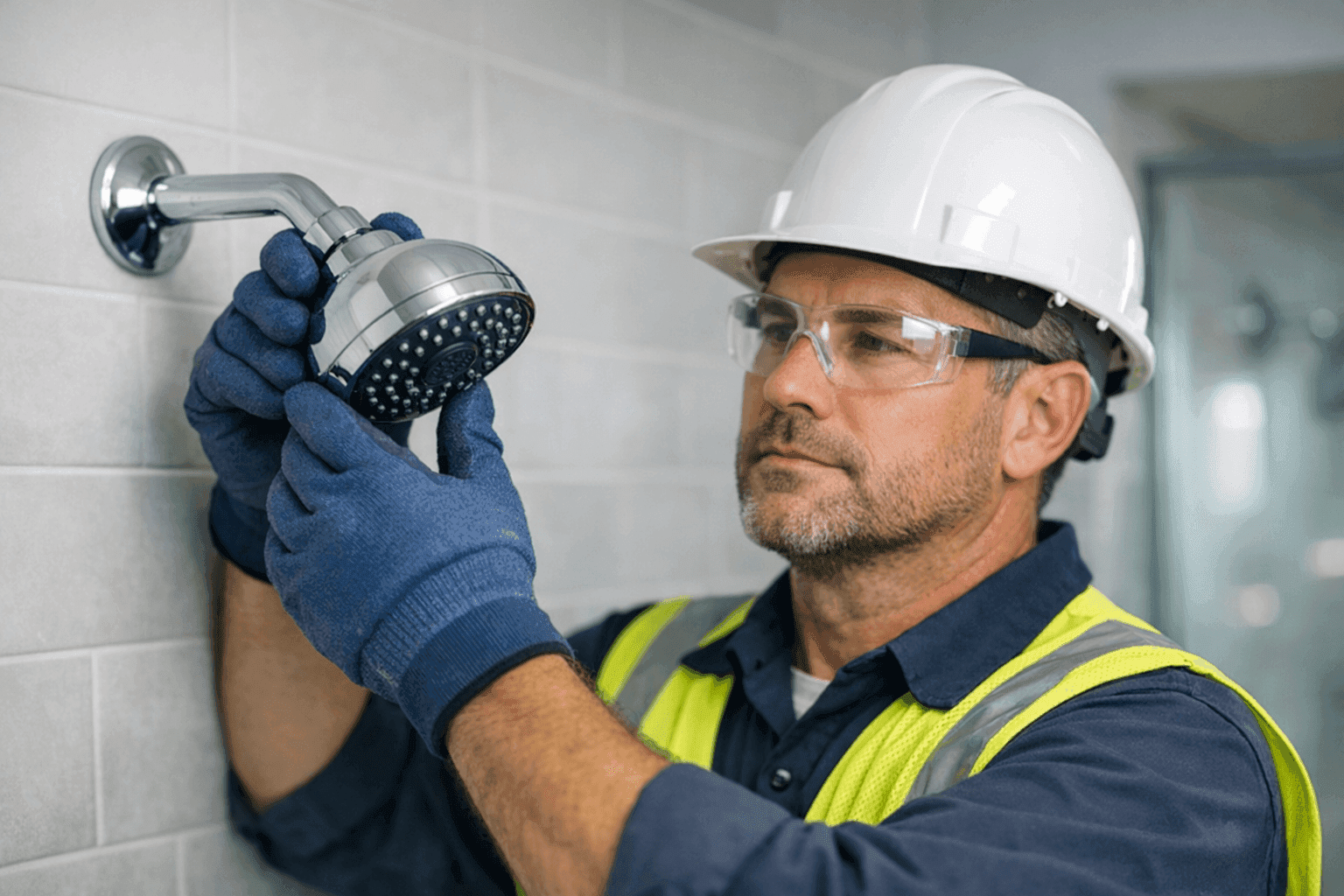
- Efficient showerheads: Provide satisfying pressure using only 1.5–2 gallons per minute.
These aren’t just gadgets—they’re the workhorses of a water-smart home.
Real Benefits: What You Gain by Upgrading
Making small changes in your plumbing pays you back in surprising ways:
- Lower water bills: Savings add up every single day.
- Softer environmental impact: Less water used means less energy needed for treatment and heating.
- Future-proofing: Homes with efficient fixtures are more attractive to buyers.
- Better performance: Modern fixtures are engineered for comfort and convenience, not just savings.
The U.S. EPA estimates that switching to WaterSense-labeled products can save the average family 13,000 gallons per year. That’s more than enough for 400 loads of laundry.
Recognizing Outdated Fixtures
How do you know if it’s time to upgrade? Watch for these signs:
- Toilets older than 1994 (or using more than 1.6 gallons per flush)
- Faucets that drip, run, or have weak pressure
- Showerheads installed before 1992
If your fixtures fall in these categories, modern replacements will make a noticeable difference.
Installation Tips: Getting It Right the First Time 🛠️
Upgrading isn’t always a weekend DIY project. Here’s what to consider:
- Check for compatibility: Not every fixture fits every setup. Take measurements and bring photos to the hardware store.
- Turn off the water: Always shut off supply lines before removing old fixtures.
- Use plumber’s tape: Threads on showerheads and faucet connections need sealing to prevent leaks.
- Follow the instructions: Manufacturers include detailed guides for a reason.
- Test for leaks: Run water and check connections before finishing up.
Not sure where to start? Plumbing can get tricky. Sometimes a professional eye catches issues before they become headaches.
DIY vs. Calling a Pro
Replacing a faucet aerator is simple—a few twists and you’re done. Swapping out a toilet or repiping under the sink? That’s a different ballgame. DIY can save money on small jobs but may cost you more if mistakes lead to leaks or water damage.
Consider calling in a professional for:
- Toilet replacements
- Shower valve upgrades
- Under-sink pipe work
- Anything involving gas lines or complex connections
If you’re searching for reliable support—including Garbage Disposal Repair near you—choosing a licensed plumber keeps your home safe and up to code.
Safety Checklist Before You Start
Before you grab a wrench, run through these basics:
- Shut off water at the main or fixture valve
- Protect floors from accidental spills
- Use the right tools (channel locks, adjustable wrenches, Teflon tape)
- Don’t overtighten—many parts are plastic and can crack
- Wear gloves to protect your hands
If you run into corroded pipes, stuck valves, or unclear instructions, pause and reassess. It’s never worth risking a bigger problem.
Cost and Savings Breakdown
Wondering what all this might cost? Here’s the big picture:
- Low-flow toilets: $200–$500 installed, often with rebates available
- Aerated faucets: $10–$50 per piece, minimal labor
- Efficient showerheads: $30–$100 per unit
Annual savings often range from $50–$150 on your water bill alone, not counting energy reductions from less hot water use. Over several years, upgrades often pay for themselves—then keep saving you more.
Common Mistakes to Avoid 🚫
A few pitfalls can turn an upgrade into a headache:
- Forgetting to flush lines before installing new fixtures (debris can clog aerators)
- Skipping leak checks
- Forcing connections too tight
- Not checking local code requirements
Remember: what seems like a shortcut today can lead to costly repairs tomorrow.
Seasonal Considerations: When’s the Best Time to Upgrade?
While you can upgrade any time, spring and fall are ideal. Pipes are less likely to freeze, and you’re not competing with summer renovation rush. If you’re planning a remodel or already dealing with repairs, it’s the perfect moment to bundle in water-saving upgrades.
Homeowners in Mission Viejo may find local plumbing support available year-round, especially for urgent situations or larger projects.
When It’s an Emergency
Leaky pipes and overflowing toilets don’t wait for a convenient time. If a fixture suddenly fails—especially if it’s flooding or causing damage—shut off your main water supply and call for emergency plumbing help. Quick action limits both water waste and property damage.
Preventative Maintenance: Keeping Fixtures Efficient
Once your new fixtures are in place, a little care goes a long way:
- Clean aerators every few months to prevent buildup
- Check for drips under sinks and around toilets
- Watch for changes in water pressure or flow
- Schedule annual plumbing inspections to catch small leaks early
Consistent attention keeps your water savings on track.
FAQs: Quick Answers to Common Concerns
Will low-flow toilets clog more easily?
Modern designs actually improve flushing with less water. Most issues come from older models or improper installation.
Do aerated faucets feel weak?
Nope! By mixing air in, they deliver a strong stream that feels just as refreshing.
Can efficient showerheads give good pressure?
Absolutely. Today’s WaterSense-labeled models are engineered for comfort as well as savings.
What to Expect: Timeline and Disruption
Installing a new faucet or showerhead often takes less than an hour. Toilet replacement may take a morning or afternoon. If your home needs repiping or complex work, expect a day or two, with water shut off for short stretches. Professionals keep disruption minimal and clean up as they go.
Upgrading Other Fixtures: Beyond the Bathroom
Don’t forget the kitchen! Replacing the faucet, fixing leaks, or upgrading dishwashers can yield more savings. Even Garbage Disposal Repair near you plays a role in keeping your plumbing system efficient and leak-free.
Final Thoughts: Every Drop Counts
Upgrading to water-saving plumbing fixtures isn’t just a home improvement—it’s a smart, responsible choice for your family and your budget. Whether you swap out a showerhead or overhaul your whole bathroom, every drop you save adds up.
Call Julius La Rosa Plumbing now — or reach us anytime at 855-598-5280 .