Water Quality Problems: Signs, Causes, and Filtration Solutions
Every home has its own rhythm. Sometimes, though, that rhythm gets interrupted. Maybe your tap water smells like a swimming pool, or your clean glasses emerge from the dishwasher spotted and cloudy. These signs aren’t just annoyances—they’re signals. At Julius La Rosa Plumbing, we know how unsettling water quality problems can feel, especially when your family’s health is on the line.
You don’t have to be a chemist to notice when water isn’t right. But knowing what those signs mean? That’s where we can help.
Signs Your Water Quality Needs Attention
Water quality issues rarely hide for long. Here’s what to watch for:
- Unpleasant Odors: Rotten eggs, musty earth, bleach—if your water smells, something’s up.
- Strange Taste: Metallic, bitter, or chemical flavors point to minerals or contaminants.
- Staining: Rusty orange, blue-green, or brown stains in sinks and tubs often signal excess minerals or corroding pipes.
- Cloudiness: Milky or hazy water, especially if it doesn’t clear after a few seconds, could mean sediment or air bubbles.
- Residue: White scale buildup on fixtures hints at hard water.
- Dry Skin & Hair: Hard or chemically treated water can leave you feeling dry after a shower.
Your senses are your first line of defense. Don’t ignore them.
Why Does My Water Smell Weird? 🚰
That nose-wrinkling odor might come from:
- Sulfur Bacteria: “Rotten egg” smells are often hydrogen sulfide, a byproduct of bacteria in groundwater or pipes.
- Chlorine: A sharp, pool-like scent is common in city water—chlorine keeps bacteria in check but can be overwhelming.
- Organic Material: Decaying leaves or algae in source water can make tap water smell earthy or musty.
The U.S. Environmental Protection Agency (EPA) notes that while many odors aren’t dangerous, they’re strong clues about what’s flowing through your pipes.
The Taste Test: What’s Lurking in Your Cup?
Taste can reveal a lot:
- Metallic: Too much iron, copper, or even lead.
- Soapy or Bitter: Cleaning agents, detergents, or water softener residue.
- Salty: High sodium, sometimes from water softeners or groundwater.
If your water tastes off, it’s time to dig deeper.
Cloudy or Discolored Water: Not Just a Cosmetic Issue
Milkiness and color changes could mean:
- Trapped Air: Harmless, but if it lingers, it could be a sign of a leak.
- Sediment: Sand, silt, or rust from aging pipes.
- Organic Contaminants: Algae or bacteria blooms in surface water sources.
A glass of water should be crystal clear. When it’s not, that’s a red flag.
Mineral Mayhem: The Impact of Hard Water
Hard water is loaded with calcium and magnesium. It’s not harmful, but it’s a nuisance:
- White crust on faucets
- Stubborn soap scum
- Dingy laundry
- Lower water pressure from scale buildup
The U.S. Geological Survey (USGS) estimates that more than 85% of U.S. homes have hard water. Over time, those minerals can clog pipes and shorten the life of appliances.
Chlorine and Chloramines: The Double-Edged Sword
Municipal water treatment keeps dangerous microbes at bay. But:
- Chlorine: Leaves water tasting and smelling like a swimming pool.
- Chloramines: A mix of chlorine and ammonia, less noticeable but can impact sensitive people or fish tanks.
While these chemicals protect public health, you don’t have to live with the aftertaste.
Unwanted Contaminants: Lead, Nitrates, and More
Sometimes, water picks up hitchhikers you can’t see or taste:
- Lead: From old pipes or solder, especially in homes built before 1986.
- Nitrates: Runoff from fertilizers or septic systems, risky for infants and pregnant people.
- Pesticides and VOCs: Sometimes sneak into wells or surface water.
The Centers for Disease Control and Prevention (CDC) warns that even trace amounts of these contaminants can cause health problems over time.
How to Test Your Water at Home
Don’t just guess—test. Here’s how:
- Visual Check: Look for cloudiness or color.
- Sniff and Taste: Use your senses, but don’t swallow if it seems unsafe.
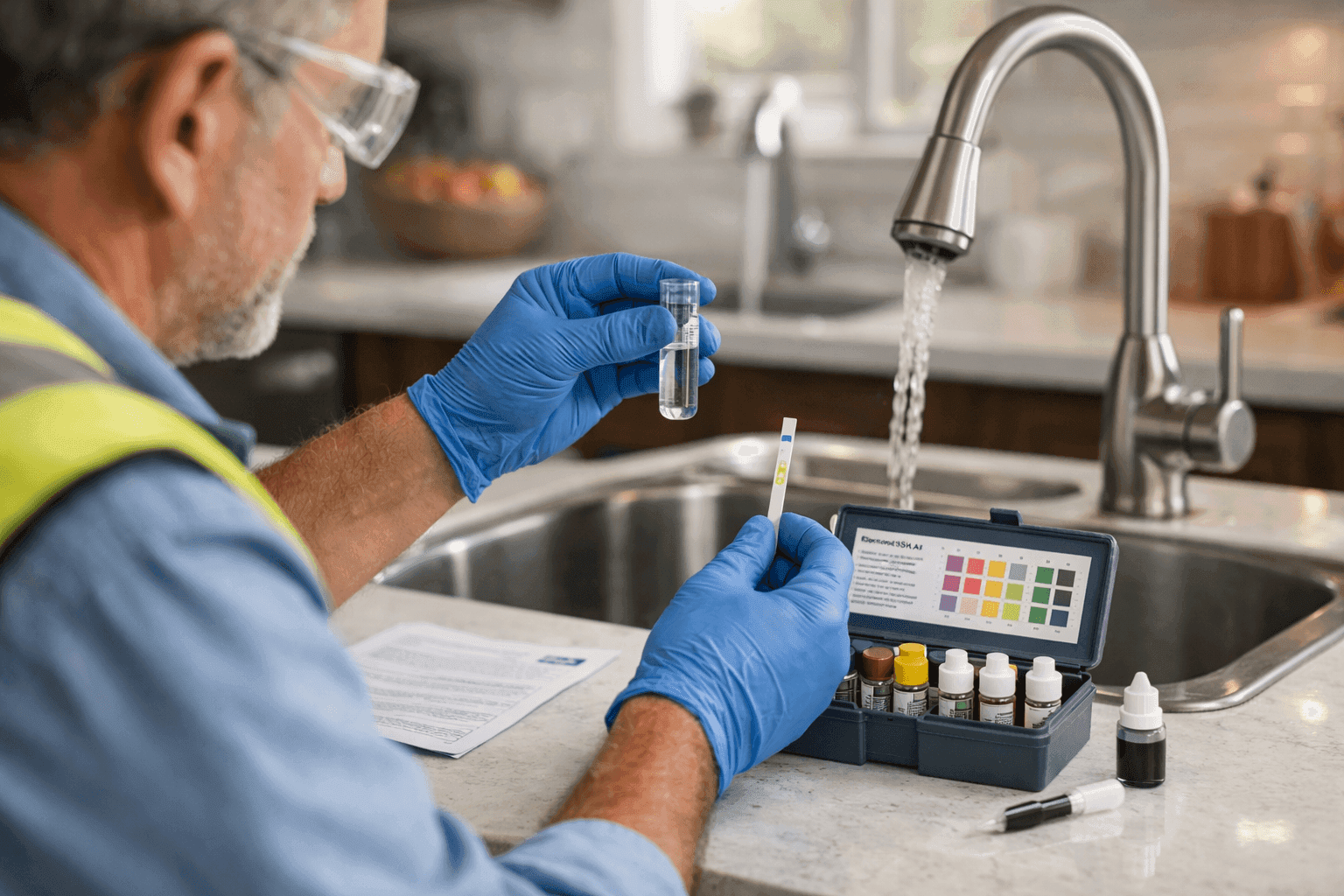
- DIY Test Kits: Widely available and simple to use, these screen for basic issues like pH, hardness, and chlorine.
- Certified Lab Testing: For peace of mind, especially if you suspect lead or bacteria. Look for labs certified by your state or the EPA.
Pro tip: Test after plumbing work, flooding, or any time you notice sudden changes.
What Happens When a Pro Arrives?
When you call Julius La Rosa Plumbing, our licensed plumbers:
- Inspect fixtures and supply lines for visible leaks or corrosion.
- Test water onsite for chlorine, hardness, pH, and other basics.
- Recommend advanced lab testing if they suspect heavy metals or bacteria.
- Review your plumbing history and recent service records.
- Look for code compliance issues per the International Plumbing Code and local regulations.
We’ll translate the technical stuff into plain English—so you know exactly what’s in your water and what to do about it.
Filtration Fixes: Certified Solutions for Cleaner Water 🛠️
If testing finds a problem, filtration can help. Options include:
- Activated Carbon Filters: Excellent for removing chlorine, bad tastes, and many organic compounds.
- Reverse Osmosis (RO) Systems: Remove a wide range of contaminants, including lead and nitrates.
- Water Softeners: Target hard water minerals, protecting plumbing and appliances.
- UV Purifiers: Zap bacteria and viruses—powerful for private wells.
Look for systems certified by the NSF (National Sanitation Foundation) or Water Quality Association. Certification means a system does what it claims—no guesswork.
Garbage Disposal Woes and Water Quality
A smelly garbage disposal can impact kitchen water quality. Food waste left behind can breed bacteria, leading to foul odors and even tainted water near the sink. Regular Garbage Disposal Repair near you ensures waste is cleared efficiently, supporting both hygiene and odor control.
Pipe Age and Condition: The Hidden Factor
Old pipes, especially those made from lead or galvanized steel, can leach metals or harbor buildup that discolors water. Even PEX or copper pipes can corrode if water is too acidic or basic. If your home’s plumbing is aging, consider:
- Repiping key sections
- Regular leak detection checks
- Consulting a plumber if you notice unexplained drops in water pressure or recurring discoloration
Preventative Maintenance: Keep Problems at Bay
Routine care helps prevent surprises:
- Flush your water heater annually
- Clean faucet aerators every few months
- Check for leaks under sinks and around appliances
- Schedule professional inspections, especially after major plumbing work
Simple steps, big payoff.
Seasonal Considerations: When Water Quality Shifts
Water quality can change with the seasons. Heavy rains may stir up sediment, while summer heat can boost algae blooms. If you notice changes after storms or during droughts, retest your water. For residents who value prompt attention, our Homestead service area is always ready to help with sudden shifts or emergencies.
When It’s Time to Call a Plumber
DIY fixes only go so far. Call if you notice:
- Persistent odors, stains, or weird tastes
- Sudden drops in water pressure
- Leaks, drips, or unexplained wet spots
- Visible corrosion on pipes or fixtures
Professional plumbers have the tools and experience to get to the root of the problem—safely and efficiently.
Common Mistakes to Avoid
- Ignoring minor signs until they become major repairs
- Using uncertified filters or “miracle” devices
- Mixing plumbing chemicals without understanding interactions
- Skipping regular maintenance after installation
When it comes to water, shortcuts can backfire.
Frequently Asked Questions
Is bottled water safer than tap water?
Not always. Tap water is regulated by the EPA, while bottled water falls under FDA rules. Both have standards, but using certified home filtration can be just as effective—and less wasteful.
Can I install a filter myself?
Some under-sink or pitcher filters are DIY-friendly. Whole-house systems or anything involving plumbing code should be handled by a licensed professional.
How often should I test my water?
At least once a year for private wells. For city water, test whenever you notice a change, or after plumbing repairs.
Final Thoughts: Clean Water, Healthy Home
You don’t have to live with bad water. Listen to what your senses—and your plumbing—are telling you. With the right information and a few smart choices, you can protect your pipes, your appliances, and your family’s health.
Call Julius La Rosa Plumbing now — or reach us anytime at 855-598-5280 .