Water Pressure Regulators: Do You Need One at Home?
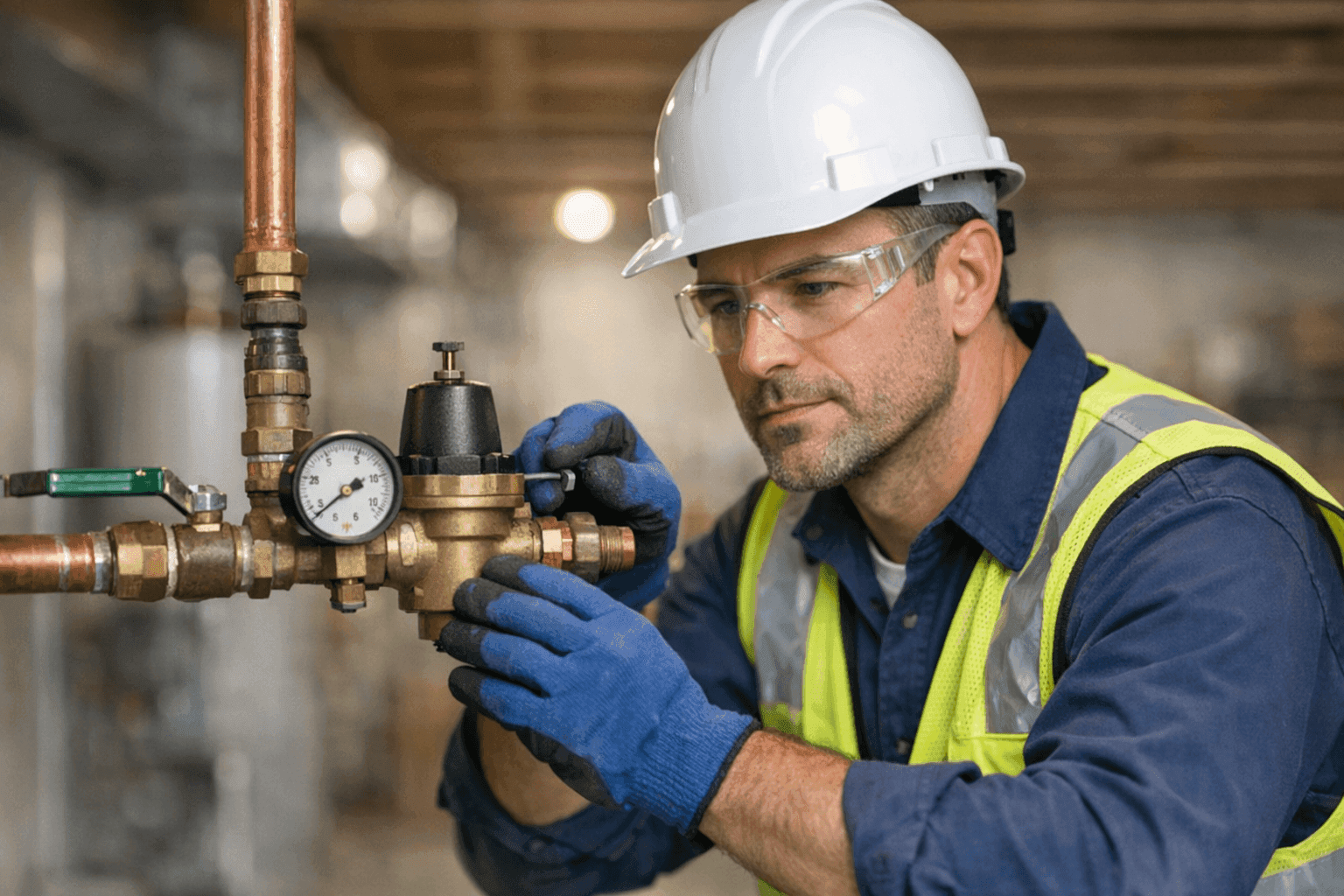
Is your shower a gentle rain one day, and a firehose the next? That wild ride isn’t just annoying—it could be a sign your home needs a water pressure regulator. The plumbing in your house works hard, but too much pressure puts its whole system at risk.
At Julius La Rosa Plumbing, we see it all: leaky pipes, busted hoses, noisy plumbing, and rising repair bills—all from something as invisible as water pressure. Let’s pull back the curtain on this hidden force and find out if a pressure regulator belongs in your home.
What Is a Pressure Regulator? 🚰
Think of a pressure regulator like a referee for your plumbing. Its job is simple: keep the water pressure coming into your home at a safe, steady level. Without one, your pipes and fixtures might face a tidal wave every time you turn on the faucet.
Most homes get water from a city main, where pressure can swing wildly—sometimes over 100 psi. But your home’s pipes, water heater, and appliances are happiest around 50-60 psi. A regulator steps in to smooth out those spikes, like a steady hand on the wheel.
The Risks of High Water Pressure
Why worry about high water pressure? Imagine filling a balloon until it’s ready to burst—that’s your plumbing on too much pressure. Here’s what’s at stake:
- Leaky pipes and fittings: Joints and seals can’t take constant pounding.
- Appliance damage: Washers, water heaters, and dishwashers aren’t built for the blast.
- Noisy plumbing: Banging pipes (water hammer) are a warning sign.
- Higher bills: More water wasted means more money down the drain.
- Code compliance: Most plumbing codes recommend or require pressure regulation above certain levels (the International Plumbing Code recommends regulators at 80 psi and above).
Signs You Need a Pressure Regulator
How do you know if your home’s pressure is too high? Tune in to these telltale signs:
- Toilets or faucets running constantly—they can’t shut off against the pressure.
- Sudden pipe leaks or visible bursts, especially in older homes.
- Appliances wearing out early—like a water heater that gives up before its time.
- Banging, clanking, or rattling noises when you turn water on or off.
- Spray from faucets instead of a steady stream.
- Frequent repairs—especially if you’ve already called for water pressure issues.
If any of these sound familiar, your plumbing may be trying to tell you something.
How Pressure Regulators Work
The science behind a pressure regulator is simple but smart. Inside the device, a spring-loaded diaphragm responds to the incoming pressure. If it gets too high, the regulator pinches down the flow, lowering the pressure before it hits your pipes.
Picture it like a dam on a river—releasing just enough water to keep everything flowing smoothly downstream. Regulators work automatically, day and night, so you don’t have to think about it.
What Happens Without a Regulator?
Skipping a pressure regulator can lead to a long list of headaches:
- Leaks: Even a tiny drip from a pipe can add up to gallons wasted each day.
- Burst pipes: Especially in winter, high pressure makes freeze-ups even riskier.
- Fixture failures: Faucet cartridges, toilet fill valves, and washing machine hoses break down faster.
- Unpredictable showers: Not fun when you’re halfway through shampooing.
If you’ve already had to call for pipe repair, high pressure could be the hidden culprit.
DIY: Can You Check Water Pressure Yourself?
Absolutely. A simple water pressure gauge (found at most hardware stores) screws right onto an outdoor spigot. Turn on the faucet and read the dial.
- Ideal pressure: 50–60 psi
- Borderline: 70–80 psi (time to monitor closely)
- Too high: Over 80 psi (action needed)
Remember, water pressure can change overnight or during different seasons, so check more than once.
Code, Compliance, and Safety
It’s not just about comfort. High water pressure can violate local plumbing codes and void appliance warranties. The International Plumbing Code (IPC) and Uniform Plumbing Code (UPC) both set maximum safe levels—usually 80 psi. Insurance companies may even ask about regulators after a claim.
Safety comes first. Regulators are one of the best ways to protect your home’s plumbing investment.
Professional Assessment: When to Call In a Plumber 🛠️
If you’re seeing leaks, frequent repairs, or strange sounds, it’s time for a professional eye. Plumbers don’t just check pressure—they look for hidden warning signs, aging pipes, and code violations. Our team at Julius La Rosa Plumbing uses commercial-grade gauges and years of experience to spot issues before they become disasters.
Homeowners in the area can always count on local support in Fargo when urgent plumbing help is needed.
Installation: What’s Involved?
Installing a pressure regulator isn’t a weekend DIY project for most homeowners. It involves:
- Shutting off main water supply
- Cutting into main water line
- Fitting and testing the regulator
- Checking for leaks
- Adjusting to the right pressure
The job takes specialized tools and know-how. Mistakes can cause more leaks or even void insurance coverage. A licensed plumber ensures it’s done right and up to code.
Maintenance: How to Keep Your Regulator Working
Like anything with moving parts, pressure regulators need a little care:
- Have your plumber check it during annual maintenance.
- Watch for pressure creep—if the gauge starts rising again, the regulator may be wearing out.
- Replace every 5–10 years, depending on water quality and usage.
Regular check-ups catch issues early and keep your plumbing running smooth.
How a Regulator Protects Your Whole Plumbing System
It’s not just the pipes that benefit. Pressure regulators shield every part of your water system:
- Water heaters last longer, avoiding premature tank leaks.
- Fixtures and faucets stay tight and drip-free.
- Appliances run more efficiently.
- Backflow prevention devices are less likely to fail.
Think of it as a seatbelt for your plumbing—quietly protecting you, every day.
When It’s an Emergency
Burst pipes, flooding, or water spraying from fixtures? High water pressure can turn a small crack into a major disaster in seconds. Shut off your main water valve and call for help immediately. Fast action limits property damage and keeps everyone safe.
Seasonal Considerations: Pressure Can Change
Water pressure isn’t always steady. In summer, city water mains can see spikes as demand rises. In winter, freezing temperatures can cause odd fluctuations. That’s why regular pressure checks—especially after major weather swings—are smart.
Common Mistakes Homeowners Make
- Ignoring warning signs like noisy pipes or leaks.
- Trying to adjust a regulator without the right tools.
- Forgetting to check pressure after major plumbing work.
- Skipping annual maintenance.
A little attention goes a long way.
FAQ: Your Pressure Regulator Questions
Do all homes need a pressure regulator?
Not every home, but most built after the 1980s already have one. If yours doesn’t, or if you’re unsure, a quick inspection can tell.
How long does a regulator last?
On average, 5–10 years. Hard water can shorten that lifespan.
Can I install a regulator myself?
It’s possible, but mistakes can lead to leaks, code violations, or even voided warranties. It’s safest to call a licensed plumber.
Practical Tips for Homeowners
- Check your water pressure yearly with a simple gauge.
- Listen for new noises—your pipes are talking.
- Ask your plumber to inspect your regulator during every plumbing service.
- Don’t ignore small leaks or drips—they’re often a sign of bigger pressure problems.
Ready for Peace of Mind?
Water pressure regulators protect your home, your wallet, and your peace of mind. If you’re noticing leaks, loud pipes, or appliance trouble, don’t wait for a bigger problem. Our team is here to help, from quick fixes to full-scale water pressure solutions and even pipe repair for homes already feeling the strain.
Call Julius La Rosa Plumbing now — or reach us anytime at 855-598-5280 .