Water Heater Repair: Common Problems and Solutions
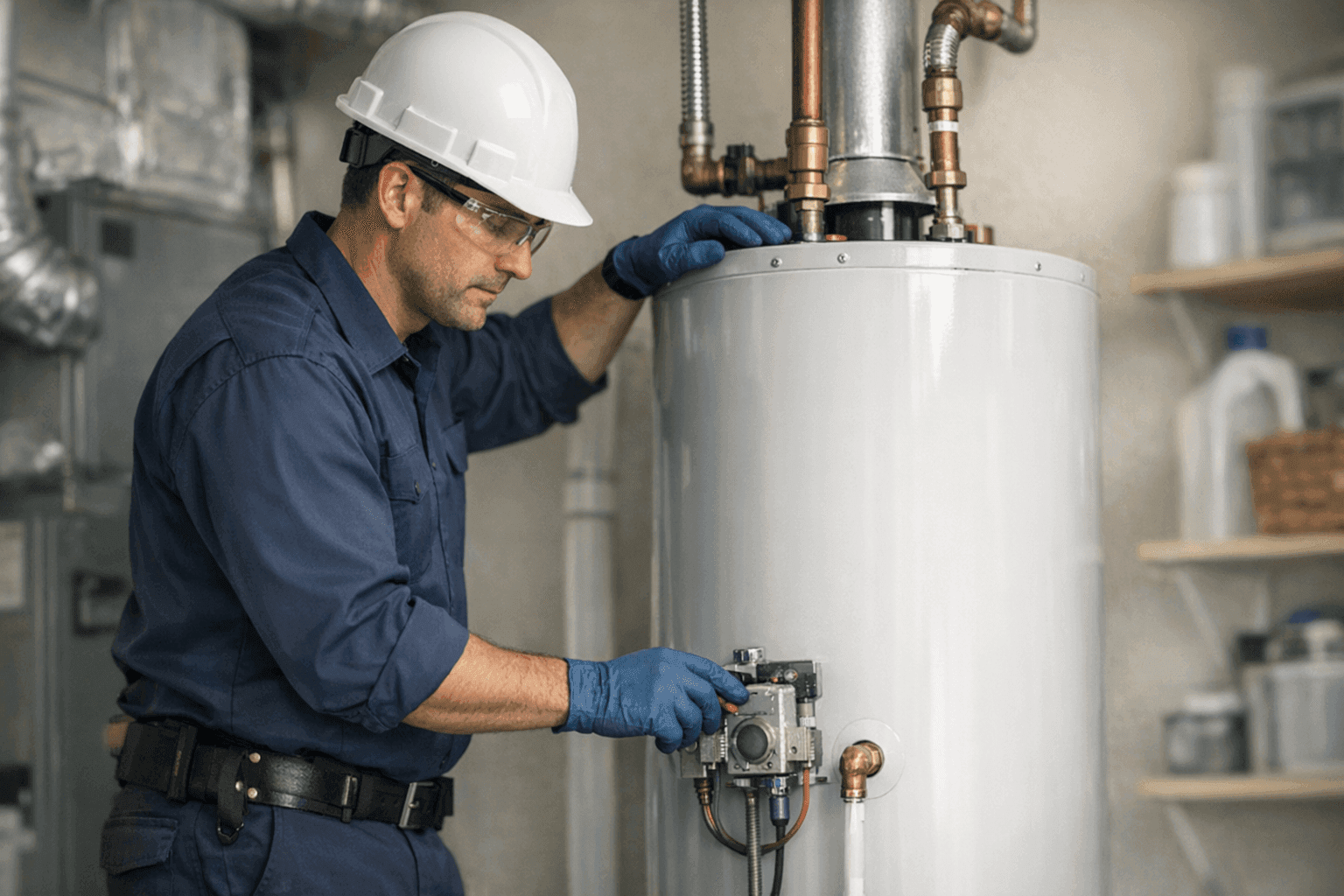
If you’ve ever stepped into a cold shower expecting warmth, you know how quickly water heater trouble can ruin your day. At Julius La Rosa Plumbing, we understand that a reliable water heater is the backbone of a comfortable home. When it starts acting up, the stress and inconvenience can mount fast.
Water heaters work quietly behind the scenes—until they don’t. While some issues are minor and easy to spot, others creep in slowly, threatening to turn your basement into a wading pool or leave you without hot water when you need it most. Let’s break down the warning signs, simple checks, and smart solutions so you can keep things flowing.
Signs Your Water Heater Needs Repair 🛠️
Like an old car that sputters before it stalls, water heaters often give warning signals before failing completely. Watch for these red flags:
- Water that’s lukewarm, not hot
- Strange popping or rumbling noises from the tank
- Rusty or discolored water from the hot tap
- Water pooling around the base of the unit
- Sudden drops in water pressure
- Hot water that runs out too quickly
If you notice any of these, your water heater is waving a white flag. Ignoring the signs can lead to bigger headaches down the line, including leaks or even property damage.
Quick Safety Checklist Before You Start
Before poking around your water heater, safety comes first. Water heaters—especially gas models—can be as temperamental as a pressure cooker left on high.
- Turn off power: For electric heaters, flip the breaker. For gas, switch the thermostat to “pilot” or “off.”
- Let things cool: Wait at least 30 minutes after turning off the unit before touching pipes or valves.
- Check for gas smell: If you smell rotten eggs, leave immediately and call your gas provider.
- Wear gloves and eye protection: Hot water and steam can burn skin fast.
If you ever feel unsure, it’s safer to call a professional.
DIY Checks: What You Can Safely Inspect
Some water heater problems are simple enough for a quick home check. Here’s what you can do without special tools:
1. Pilot Light (Gas Models)
Peek through the small window at the base. If the flame is out, follow the manufacturer’s instructions to relight it. If it keeps going out, there may be a faulty thermocouple or gas valve.
2. Thermostat Settings
Check the thermostat dial—should be set between 120°F and 140°F. Too low, and water won’t get hot. Too high, and you risk scalding or wasting energy.
3. Circuit Breaker (Electric Models)
If you have no hot water, check your electrical panel. A tripped breaker could be the culprit.
4. Visible Leaks
Inspect around the base and all pipe connections. Even a small drip can signal a bigger issue inside the tank.
If your checks don’t reveal an obvious fix, it might be time to consider water heater repair by a licensed plumber.
Common Water Heater Problems (and What Causes Them)
Water heaters can act up for all sorts of reasons. Here are the most frequent issues we see in homes:
Sediment Buildup
Hard water leaves behind minerals. Over time, these settle inside the tank—think of it as a muddy riverbed forming at the bottom. This sediment insulates the water from the burner, making your heater work harder and less efficiently. You might hear popping or rumbling as the water bubbles through the grit.
Solution: Annual flushing can help. If the noise persists, a professional cleaning may be needed.
Leaks
A small puddle can be the tip of the iceberg. Leaks often start at pipe connections, the temperature and pressure (T&P) valve, or from corrosion inside the tank itself.
Solution: Tighten loose connections if you’re comfortable. If the tank itself is leaking, replacement is usually the only safe fix.
Faulty Heating Elements
Electric water heaters rely on one or two elements to heat water. If one burns out, you’ll notice lukewarm or cold water.
Solution: Elements can be tested and replaced, but this involves electrical work—best left to a pro.
Broken Dip Tube
This plastic tube channels cold water to the bottom of the tank. If it cracks, cold water mixes at the top, leaving you with chilly showers.
Solution: Replacement is straightforward for a plumber.
Pressure Relief Valve Issues
The T&P valve is a safety feature. If it’s leaking or stuck, it could signal dangerous pressure inside the tank.
Solution: Never cap or ignore a leaking T&P valve. Have it inspected immediately.
When to Repair vs. Replace
It’s tempting to patch up an old water heater, but sometimes replacement is the wiser choice. Here’s how to decide:
- Age: Most tanks last 8–12 years. If yours is older and failing, replacement is usually more cost-effective.
- Frequency of Repairs: If you’re calling for repairs more than once a year, it’s time to consider a new unit.
- Efficiency: Newer models are far more energy-efficient, saving you money in the long run.
- Extent of Damage: A leaking tank can’t be repaired safely.
If you’re unsure, a reputable plumber can help weigh the options and explain the costs.
The Professional Water Heater Repair Process
When you call in a plumber, here’s what you can expect:
- Inspection: The technician will assess the unit, check for leaks, and test components.
- Diagnosis: Using tools like voltage testers or thermal cameras, they’ll pinpoint the problem.
- Estimate: You’ll get a clear explanation and a written estimate before any work starts.
- Repair or Replacement: Parts can often be swapped out the same day. If a new heater is needed, installation can usually be scheduled quickly.
- Testing: After repairs, your system will be tested for safe operation and proper temperature.
All work should follow local plumbing codes and safety standards, such as those outlined by the International Association of Plumbing and Mechanical Officials (IAPMO).
Gas vs. Electric Models: Safety Matters
Gas and electric water heaters have different risks. Gas units need proper venting to avoid carbon monoxide buildup. Electric models carry shock hazards if handled incorrectly.
- Never attempt gas line work without training.
- Always ensure power is off before opening an electric heater.
- If you suspect a gas leak, leave your home and call the utility company immediately.
Preventative Maintenance Tips
A little care goes a long way. Here’s how to keep your water heater running strong:
- Flush the tank yearly to remove sediment.
- Test the T&P valve every six months.
- Check for leaks at least once a month.
- Insulate pipes to improve efficiency and reduce heat loss.
- Set the thermostat no higher than 140°F.
Regular checkups can also catch hidden leaks—ask about leak detection if you notice unexplained moisture or musty odors.
Common Mistakes Homeowners Make
- Ignoring small leaks until they become floods
- Setting the temperature too high
- Skipping annual maintenance
- Attempting risky repairs without proper training
Remember, plumbing isn’t the place for guesswork. Mistakes can lead to bigger problems, from water damage to safety hazards.
How Long Does Water Heater Repair Take?
Most repairs can be wrapped up in a couple of hours. Replacement may take half a day, depending on access and unit size. You can usually keep using cold water in the meantime, but plan for a short period without hot water.
When It’s an Emergency
Burst tanks and major leaks can cause thousands in damage within minutes. If you see water gushing or smell gas, shut off the main supply and call for help right away. For those in the region, plumbing services in Wilson are available for urgent situations and fast response.
What to Expect From Your Plumber
A licensed technician should arrive on time, explain the problem in plain language, and provide ID if asked. Don’t hesitate to ask about certifications or experience—your home’s safety depends on it.
Understanding Warranties and Credentials
Most water heaters come with a warranty—usually 6–12 years for the tank, less for parts. Keep your paperwork handy, and always use a licensed plumber for repairs to avoid voiding coverage.
Look for technicians with:
- State-issued plumbing licenses
- Training in gas and electric systems
- Up-to-date insurance
Seasonal Considerations
Cold snaps can stress your water heater, especially if pipes aren’t insulated. Schedule maintenance before winter hits, and consider a quick check after storms or power outages.
Final Thoughts
A reliable water heater isn’t just about comfort—it’s about peace of mind. Knowing the warning signs, doing simple checks, and calling in a professional when needed can keep your home running smoothly.
Call Julius La Rosa Plumbing now — or reach us anytime at 855-598-5280 .