Understanding Plumbing Warranties: What’s Covered and What’s Not
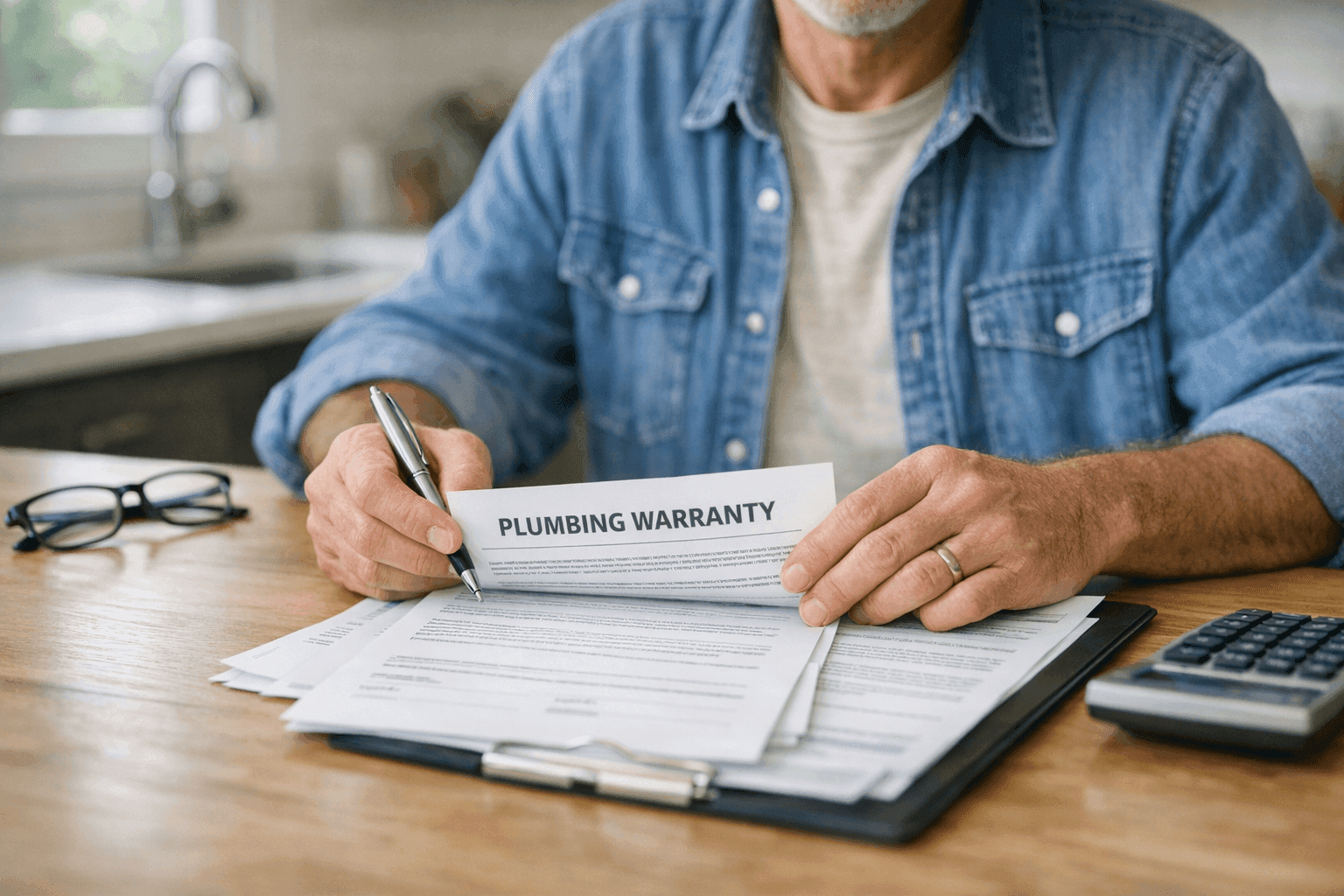
Ever had a leaking pipe or a stubborn garbage disposal that just won’t budge? You’re not alone. Plumbing problems are a fact of homeownership. But when repairs loom, that little word—warranty—can mean the difference between relief and a headache.
At Julius La Rosa Plumbing, we know how confusing plumbing warranties can get. Let’s shed light on what’s actually covered, what isn’t, and how you can make sure you’re protected before scheduling your next repair.
The Basics: What Is a Plumbing Warranty?
Think of a plumbing warranty like an umbrella. It’s there to shield you from unexpected downpours—like a faulty water heater or a leaking pipe. But not every umbrella covers the same ground. Some warranties are wide, others have holes.
A plumbing warranty is essentially a written promise. It says certain repairs or replacements will be handled at no extra cost, as long as the issue falls within specific terms. There are two main types you’ll see:
- Manufacturer warranties: These cover the parts or equipment, such as a faucet, water heater, or garbage disposal.
- Labor warranties: Provided by the plumber or contractor, these cover the work done—how things were installed or repaired.
Understanding the difference is key. If your garbage disposal fails, is it the part, the installation, or both? That answer changes how your warranty works.
Manufacturer vs. Labor Warranties: What’s the Difference?
Imagine you buy a brand-new kitchen faucet. The faucet itself is covered by a manufacturer warranty—usually one to five years, sometimes longer for premium brands. If it leaks because of a defect, the manufacturer replaces it.
But what if the leak is due to a loose fitting from installation? That’s where the labor warranty comes in. Most reputable plumbers offer a labor warranty, often 1 year, sometimes more. If the installation was faulty, that’s on them.
- Manufacturer warranty = Covers the product’s performance or defects.
- Labor warranty = Covers the quality of installation or repair work.
Both are important. But they don’t always overlap.
What’s Typically Covered Under Plumbing Warranties? 🛠️
Most plumbing warranties cover:
- Defective parts: Pipes, faucets, valves, water heaters, disposals, and more.
- Workmanship: Errors in installation or repairs, like a misaligned pipe or a poorly sealed joint.
- Replacement costs: If a covered part fails, the cost to replace it (sometimes including the labor).
Some warranties are more generous. Others are strict. Always read the fine print.
Common Exclusions: What’s Usually Not Covered
Warranties aren’t magic shields. Here’s what most leave out:
- Normal wear and tear: Pipes corrode, washers wear down, disposals get jammed. That’s life.
- Improper use: Flushing the wrong things, pouring grease down the drain, or overloading your garbage disposal.
- Accidental damage: Dropping a heavy pan on a sink or freezing pipes during a cold snap.
- Pre-existing conditions: Issues that existed before the warranty started.
- Lack of maintenance: Skipping routine checkups or ignoring small leaks can void your coverage.
If you’re unsure, ask. Transparency matters.
The Claims Process: How to Use Your Plumbing Warranty
When something breaks, it’s easy to panic. Here’s how to keep your cool and claim warranty service:
- Check your paperwork: Find your original invoice, warranty card, or service agreement.
- Identify the issue: Is it a part failure or an installation problem?
- Contact the right party: For part failures, reach out to the manufacturer. For labor issues, call your plumber.
- Document everything: Take photos, jot down dates, and keep receipts.
- Schedule an inspection: The plumber or manufacturer may need to inspect the issue before approving a claim.
- Follow up: Stay in touch until your claim is resolved.
Quick tip: Some manufacturers require you to register your product after installation for the warranty to kick in.
DIY vs. Calling a Pro: Who Should Handle Warranty Repairs?
It’s tempting to grab a wrench and fix things yourself. But here’s the rub—DIY repairs can void your warranty. Most manufacturers and plumbers require that warranty work be performed by licensed professionals.
If you’re dealing with a covered issue, call a pro. This protects your warranty and ensures the job is done right.
What Pros Do on Arrival
When you call Julius La Rosa Plumbing for a warranty issue, here’s what to expect:
- Assessment: We’ll inspect the problem, confirm coverage, and explain your options.
- Paperwork review: Our team checks your warranty terms and helps with documentation if needed.
- Repairs or replacements: If covered, we’ll handle repairs on the spot or order necessary parts.
- Advice: We’ll let you know if anything else needs attention—so you’re not caught off guard later.
Prevention & Maintenance: Keeping Your Warranty Valid
Think of your plumbing system like a car. Regular checkups keep things running smoothly—and keep your warranty valid.
- Schedule annual inspections for water heaters, sump pumps, and filtration systems.
- Don’t ignore small leaks or clogs. Addressing issues early prevents bigger headaches.
- Follow the manufacturer’s care instructions for everything from garbage disposals to water heaters.
The International Association of Plumbing and Mechanical Officials (IAPMO) and local building codes often require regular maintenance for safety and efficiency.
Signs of Trouble: When to Check Your Warranty
Keep an eye out for these red flags:
- Unusual noises from your garbage disposal or water heater
- Water pooling under sinks or appliances
- Low water pressure or sudden drops in flow
- Frequent clogs or backups
- Visible corrosion or rust on pipes
If you spot these, grab your warranty paperwork before calling for repairs.
Timeline & Disruption: What to Expect During Warranty Work
Warranty repairs don’t always mean instant fixes. Here’s what might happen:
- Inspection: Usually within 1–3 days of your call.
- Approval: Some claims require manufacturer sign-off, which can take a few days.
- Repair or replacement: Simple fixes may take an hour; major replacements could mean a day or two without water in certain areas.
We’ll always let you know what to expect, so you can plan ahead.
Costs & What You Might Still Pay
Even with a warranty, you might face some costs:
- Service call fees: Some warranties don’t cover the plumber’s trip charge.
- Upgrades: If you want a better fixture or appliance, you may pay the difference.
- Damage not covered: If the issue falls outside your warranty, you’ll get a clear estimate before any work begins.
When It’s an Emergency: Acting Fast and Staying Covered 🚨
Burst pipes, sewage backups, or a failed sump pump during a storm? Some emergencies can’t wait.
In urgent cases, call your plumber immediately—even if you’re not sure about warranty coverage. Speed matters more than paperwork when water is pouring in. If you’re looking for Valley Stream plumbing services, our team is available for rapid-response support when you need it most.
What to Ask Before Scheduling Repairs
Before booking a repair, ask these questions:
- Is my issue covered by a manufacturer or labor warranty?
- Are there any exclusions I should know about?
- Will I be charged a service call fee?
- What happens if the repair isn’t covered?
- How long will the repair or replacement take?
Clear answers now prevent surprises later.
Seasonal Considerations: How Weather Impacts Warranty Claims 🌦️
Cold snaps, heavy rains, and heat waves can all stress your plumbing. Freezing pipes or flooded basements aren’t always covered under warranty—especially if you haven’t taken preventive steps.
- Insulate exposed pipes before winter.
- Test your sump pump each spring.
- Flush your water heater annually to prevent sediment buildup.
A little prep goes a long way toward avoiding denied claims.
Local Codes and Safety: Why They Matter
Warranties often require that installations and repairs meet local plumbing codes. If work isn’t up to code, your warranty could be voided—leaving you on the hook for repairs.
Julius La Rosa Plumbing always follows the latest safety and building code requirements, so you’re protected on every front.
Final Thoughts: Stay Informed, Stay Protected
Plumbing warranties aren’t just paperwork—they’re peace of mind. Knowing what’s covered, what’s not, and how to claim service helps you make smart choices for your home.
Have questions about your warranty or need help with Garbage Disposal Repair near you? Our team is here to help, with clear answers and professional service.
Call Julius La Rosa Plumbing now — or reach us anytime at 855-598-5280 .