Toilet Repair: Solutions for Every Common Toilet Problem
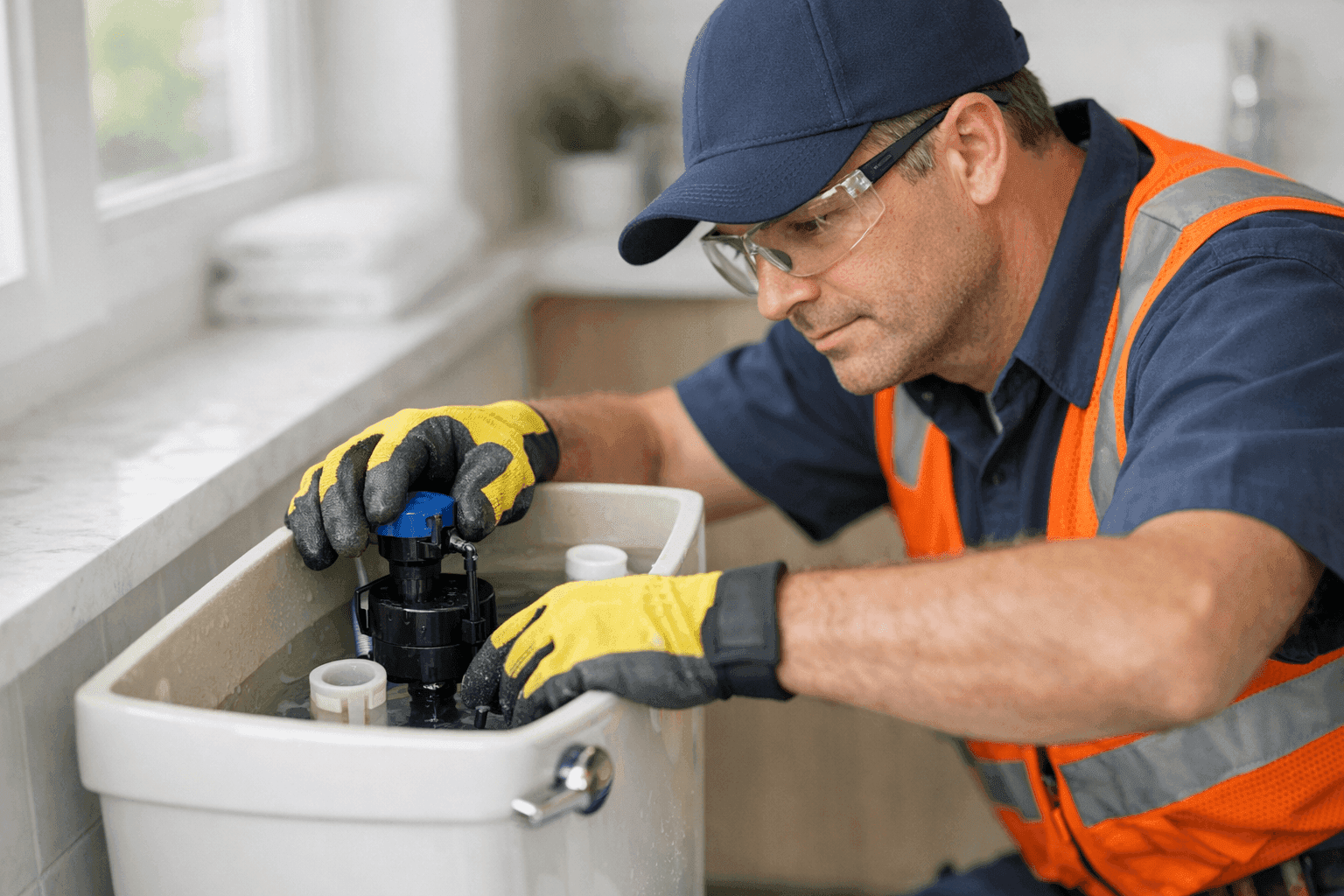
When your toilet won’t flush, leaks onto the floor, or keeps running all night, it’s more than an annoyance. It’s a disruption to your daily life. You want it fixed fast and fixed right—without risking bigger plumbing headaches.
At Julius La Rosa Plumbing, we help homeowners get back to normal. This guide walks you through the most common toilet problems, safe troubleshooting, and signals that it’s time to call in a professional. Let’s get your bathroom back in working order.
Identifying Common Toilet Problems 🚽
Toilets are reliable—until they aren’t. Here are the issues homeowners report most:
- Constant running water: That trickling sound means wasted water and higher bills.
- Leaking base or tank: Water on the floor or behind the toilet? It’s a red flag.
- Clogs and slow drains: Water rises, won’t flush, or backs up.
- Weak or failed flush: Press the handle and… nothing.
- Phantom flushes: Toilet refills randomly without use.
- Wobbling or loose toilet: The whole unit rocks when you sit.
Recognizing these symptoms early can help you avoid bigger repairs or water damage.
Quick Safety Checklist
Before you touch a wrench, take these steps:
- Turn off the water: Locate the shutoff valve near the toilet’s base and turn it clockwise.
- Unplug electrical devices: If you have a bidet seat or nearby outlet, unplug for safety.
- Wear gloves: Toilets aren’t sterile. Protect your hands.
- Keep towels handy: For spills, drips, and quick clean-up.
If water is pooling fast around the base or you smell gas (rare, but possible if you have a combined gas boiler nearby), stop and call a plumber immediately. Safety first.
Tools and Materials Needed
Most basic toilet repairs use simple tools:
- Adjustable wrench
- Flathead and Phillips screwdrivers
- Plunger (flange type for toilets)
- Toilet auger (for stubborn clogs)
- Bucket and old towels
- Replacement parts: flapper, fill valve, wax ring (if needed)
You’ll find these at hardware stores or in a well-stocked toolbox. Always check manufacturer instructions for your model.
Troubleshooting Leaks
A leaky toilet can waste hundreds of gallons a month. Here’s where leaks usually start:
- At the base: Often a failed wax ring or loose mounting bolts.
- From the tank: Worn tank bolts, cracked porcelain, or a faulty gasket.
- Inside the bowl: Silent leaks from a bad flapper or fill valve.
How to check: Drop a few drops of food coloring into the tank. Wait 15 minutes. If color appears in the bowl, your flapper needs replacing.
If you spot water on the floor, tighten the bolts gently. Over-tightening can crack porcelain. If that doesn’t work, replacing the wax ring is next—a job that may require lifting the toilet.
Dealing with Running Water
That constant hissing or trickling? It’s usually:
- A worn flapper: The rubber piece at the bottom of the tank doesn’t seal.
- Faulty fill valve: The mechanism that refills the tank after a flush sticks or fails.
- Chain issues: The chain connecting the handle to the flapper is tangled or too short/long.
DIY fix: Turn off the water. Remove the tank lid. Check the flapper for warping or decay. Replace if needed (they’re inexpensive). Adjust the chain so it’s not too tight or loose.
If the fill valve is the culprit, replacement is straightforward for most models. Always follow the instructions and never force parts.
Clogs and Flushing Failures
Few things are more frustrating than a clogged toilet. Causes include:
- Too much toilet paper
- Non-flushable items (wipes, feminine products)
- Low-flow toilets with weak flush
First step: Use a flange plunger. Push down firmly, then pull up sharply to create suction. Repeat several times.
If that doesn’t work, try a toilet auger—never a standard drain snake, which can scratch porcelain.
For persistent or recurring clogs, you may need professional unclogging toilets support, especially if the blockage is deeper in the drain line.
Weak Flushes and Double Flushing
If your toilet flushes weakly or requires two flushes, check:
- Water level in the tank (should be about an inch below the overflow tube)
- Mineral buildup in rim holes (use a small mirror to check)
- Flapper not opening fully
Gently clean rim holes with a wire or brush. Adjust the float for proper water level. Replace the flapper if it doesn’t lift all the way.
Phantom Flushes and Random Refills
Does your toilet refill at random, even when no one’s used it? That’s usually a slow leak from the tank to the bowl—again, a flapper or fill valve problem.
Replace the flapper and check the flush valve seat for mineral deposits or warping. If the problem persists, a new fill valve may be needed.
Wobbling or Loose Toilets
A rocking toilet is more than a nuisance. It can break the wax seal and cause leaks.
- Tighten the bolts at the base (carefully—too much force cracks porcelain)
- If that doesn’t solve it, the floor may be uneven or the flange damaged. Shims can help, but persistent rocking needs a closer look.
DIY Repair Steps
You don’t need to be a master plumber to handle minor fixes:
- Turn off the water at the shutoff valve.
- Drain the tank by flushing and sponging out any remaining water.
- Inspect parts: Flapper, fill valve, chain, and bolts.
- Replace worn components as needed.
- Test for leaks by turning the water back on and flushing several times.
If you’re ever unsure, don’t force parts. Toilets are sturdy, but porcelain cracks easily.
Preventing Future Issues 🛠️
A little maintenance goes a long way:
- Don’t flush anything but waste and toilet paper.
- Inspect for leaks monthly.
- Clean mineral buildup from jets and rim holes twice a year.
- Check flapper and fill valve yearly, replacing at the first sign of wear.
- Teach kids and guests what not to flush.
Following these steps helps avoid surprises and extends your toilet’s lifespan.
When It’s an Emergency
Flooding, sewage backup, or uncontrollable leaks? Shut off the water supply immediately. Place towels to contain water. Avoid using other plumbing fixtures until the issue is resolved.
When water is rising fast or you notice foul smells, don’t wait—call for help. If you’re in the area and need Seattle plumbing services urgently, professional support is available.
What a Pro Does on Arrival
A licensed plumber will:
- Inspect for hidden leaks or structural damage
- Use specialized tools (camera inspection, advanced leak detection)
- Replace parts with code-approved materials
- Test for proper function and safety
They’ll also check for issues in connected systems—sometimes a toilet problem is a symptom of a bigger plumbing issue.
Costs and Time Factors
Simple repairs (like a flapper or fill valve) can be done in under an hour with minimal cost. Replacing a wax ring or fixing a major leak takes longer and may require removing the toilet.
Persistent clogs, leaks under the floor, or repeated failures? These may signal a need for toilet repair services from a licensed professional.
Seasonal Considerations
Cold weather can cause pipes to contract, leading to leaks or loose fittings. In older homes, freezing temps may even crack porcelain or pipes. If you live in a climate with harsh winters, inspect your bathroom plumbing before the season changes.
Common Mistakes to Avoid
- Over-tightening bolts (cracks porcelain)
- Using chemical drain cleaners (can damage pipes and seals)
- Flushing non-flushable items
- Ignoring small leaks (they grow quickly)
- Skipping regular maintenance
Signs It’s Time to Call a Plumber
If you notice any of the following, don’t wait:
- Water stains on the ceiling below a bathroom
- Persistent foul odors (possible sewer line issue)
- Toilet rocks or leaks after repeated DIY fixes
- Water bill spikes with no obvious reason
- Repeated clogs despite careful use
FAQ: Toilet Repair
Q: Why does my toilet keep running after I flush?
A: Usually a worn flapper or faulty fill valve. Both are easy to replace.
Q: Is it safe to use a plunger on a modern toilet?
A: Yes! Use a flange plunger for best results.
Q: Can I use drain cleaner for a toilet clog?
A: No. Chemical cleaners can damage seals and pipes. Stick to plungers or a toilet auger.
Q: How often should I check for leaks?
A: Monthly is best. Early detection prevents water damage and high bills.
Q: What if my toilet wobbles after I tightened the bolts?
A: You may need shims or a new wax ring. Persistent rocking can damage plumbing.
Preparing for Service
Before a plumber arrives:
- Clear items from around the toilet.
- Let them know about any recent DIY attempts.
- Have pets secured and access clear.
This helps your appointment go smoothly and quickly.
Final Thoughts
Toilets are a modern miracle—until they break. With a few tools and a little know-how, many problems can be fixed at home. But some issues need a professional’s eye to prevent bigger headaches down the road.
For persistent leaks, stubborn clogs, or if you just want peace of mind, toilet repair services from Julius La Rosa Plumbing are just a call away.
Call Julius La Rosa Plumbing now — or reach us anytime at 855-598-5280 .