Sump Pump Repair: How to Prevent Basement Flooding
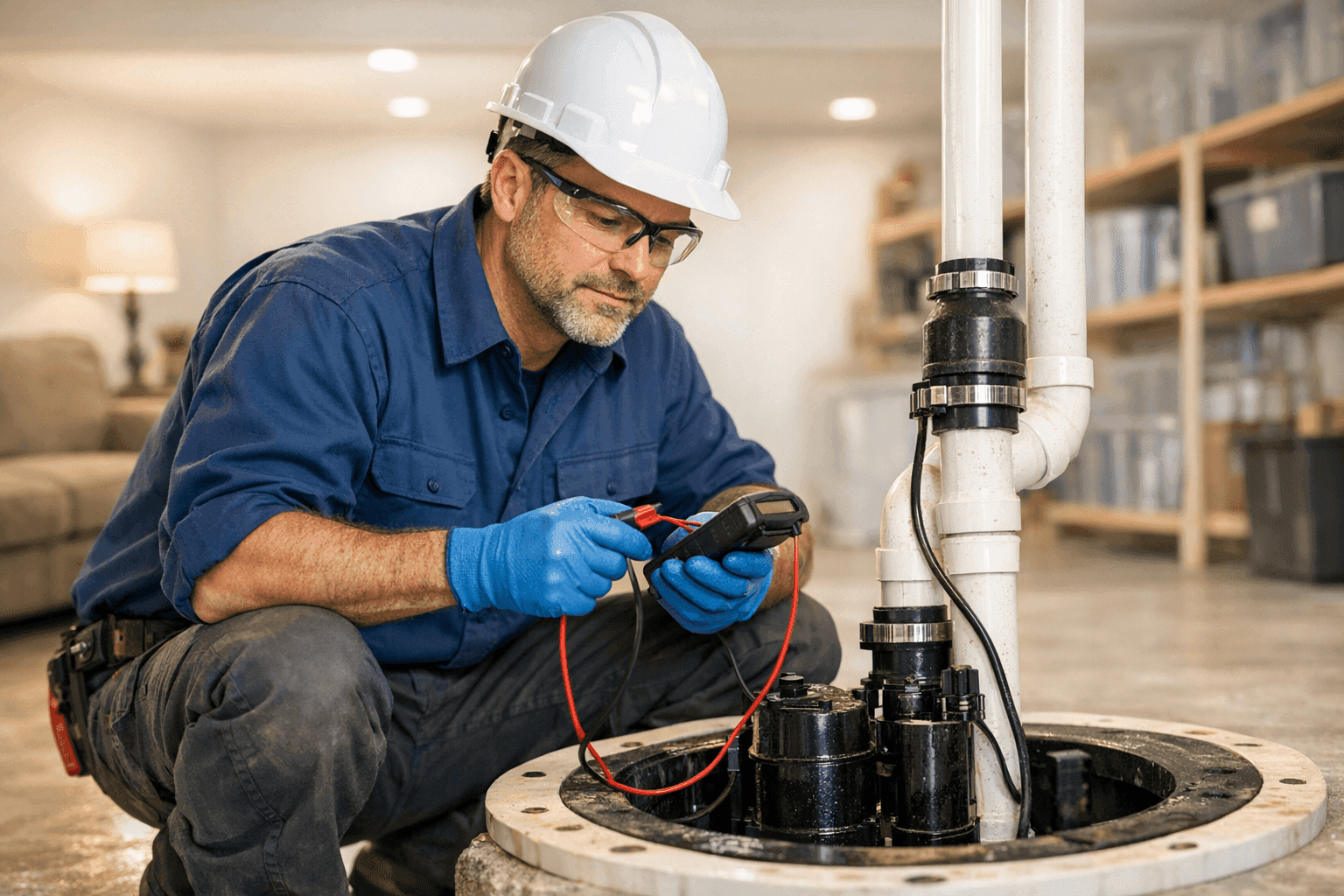
Basement flooding is more than a rainy day annoyance—it can turn your family’s safe haven into a sopping mess overnight. Water damage isn’t just about puddles; it means warped floors, ruined keepsakes, and repairs that drain your wallet.
At Julius La Rosa Plumbing, we’ve seen how a neglected sump pump can leave homeowners scrambling. But with the right steps, you can keep disaster at bay and rest easy, even when storms roll in.
How Sump Pumps Work: Your Basement’s First Line of Defense 🛡️
Imagine your sump pump as the silent lifeguard of your basement. Its job? To catch rising groundwater before it swallows your space. Sitting in a pit (the “sump”), this device springs to life when water levels climb, pumping excess moisture safely away from your foundation.
Sump pumps come in two main types:
- Submersible: Sits underwater, quieter, and better for finished basements.
- Pedestal: Motor stays above the pit, easier to service, slightly noisier.
No matter the type, each is built to step in long before you ever spot a leak. But only if it’s working right.
Signs Your Sump Pump Needs Repair
Like a car with squeaky brakes, a sump pump often gives warnings before failing. Catching these early can save you from a world of soggy trouble:
- Strange noises: Grinding, rattling, or banging sounds spell trouble.
- Runs non-stop: If it doesn’t shut off, something’s up.
- Won’t turn on: Even in heavy rain, silence from the pit is a red flag.
- Visible rust or corrosion around the pump or discharge pipe.
- Water in the pit but no movement—means it’s not pumping.
If any of these sound familiar, schedule a professional sump pump repair before the next storm.
Quick Safety Checklist Before Inspection
Before you get hands-on, safety comes first:
- Unplug the pump or turn off power at the breaker.
- Wear rubber gloves and waterproof boots.
- Keep a flashlight handy—basements can get dark fast.
- Never reach into standing water without making sure the power’s off.
Following these basics can help you avoid shocks or other hazards.
Common Sump Pump Failures and Troubleshooting
When your sump pump stumbles, the cause is often one of these usual suspects:
- Clogged intake or discharge line: Debris builds up, choking your system.
- Stuck float switch: The float gets wedged, so your pump never turns on (or off).
- Power loss: Outages or a tripped breaker leave your pump helpless.
- Worn-out motor: Years of hard work can burn it out.
How to test: Slowly pour a bucket of water into the sump pit. The float should rise, triggering the pump. If nothing happens, or if it’s sluggish, call for backup.
Maintenance Steps: Keeping Your Pump Ready
A little regular care goes a long way—think of it as brushing your teeth, but for your basement.
- Test your pump every few months with the bucket method.
- Clean the pit of gravel, dirt, and debris.
- Check the discharge line outside to ensure it’s clear and draining away from your home.
- Inspect the power cord and replace if frayed.
- Listen for odd noises during operation.
- Change or clean the filter (if your model has one).
Professional preventative maintenance can catch problems you might miss, keeping your plumbing system in top shape.
Preparing for Storms and Power Outages
Storms don’t send RSVPs—they just show up. Preparing your sump pump is as important as locking the doors.
- Install a battery backup system. When the power fails, your pump keeps working.
- Consider a water-powered backup for extra peace of mind.
- Clear gutters and downspouts so rainwater flows away from your foundation.
- Test your pump a few days before heavy rain is expected.
The National Association of Home Builders recommends backup systems for any home with a basement. It’s a safety net when the grid goes down.
When Is It Time to Replace Your Sump Pump?
Like sneakers, sump pumps wear out. Most last about 7–10 years. If yours is getting up there in age, or repairs are becoming routine, it’s time to consider a new one.
Look for these clues:
- Frequent breakdowns despite maintenance.
- Excessive vibration or loud rattling, even after repairs.
- Water damage appears despite a “working” pump.
Better to replace before it fails than after your basement turns into a wading pool.
DIY vs. Calling a Professional
Some maintenance is simple—emptying the pit or checking the float. But when the motor’s dead, wiring’s faulty, or water is pooling despite your best efforts, it’s time to call a plumber.
Plumbing codes (like the International Residential Code) set standards for sump pump installation and discharge. Professionals know these rules, so your repair is safe and up to code.
What to Expect When a Pro Arrives
A plumber’s first move? Inspect the system top to bottom. This includes:
- Checking the pump’s electrical connections.
- Examining the float switch and pit for obstructions.
- Testing the discharge line for blockages.
- Verifying backup systems work.
They’ll repair or replace parts as needed, and walk you through next steps to keep your basement safe.
How to Test Your Pump Before Rain
Don’t wait for thunder to rumble. Every season, do a quick test:
- Remove the sump pit lid.
- Slowly pour water in until the float rises.
- Watch for the pump to activate and water to exit through the line outside.
- Listen for smooth, steady operation.
If the pump hesitates, makes odd noises, or the water doesn’t drain, get it checked fast.
Emergency Plumbing: When Every Second Counts
Flooding can happen fast—sometimes in minutes. If your sump pump fails during a storm, every moment matters. Standing water can ruin walls, flooring, and wiring.
For homeowners in need of urgent help, our team is equipped for rapid response, including in Las Cruces and surrounding areas.
Preventing Future Problems with Regular Care
Think of preventative maintenance like an annual check-up for your plumbing. Regular service:
- Extends the life of your sump pump.
- Reduces the risk of surprise breakdowns.
- Identifies small issues before they become emergencies.
Schedule annual inspections, especially before the rainy season, so you’re always a step ahead.
Seasonal Considerations: Winter, Spring, and Beyond
Different seasons bring new challenges:
- Spring: Snowmelt and heavy rain mean higher water tables.
- Summer: Sudden storms can overwhelm old pumps.
- Fall: Leaves and debris clog discharge lines.
- Winter: Frozen pipes or discharge lines stop water from escaping.
A quick seasonal inspection can catch most problems early.
Common Mistakes Homeowners Make
It’s easy to overlook your sump pump—until it’s too late. Watch for these pitfalls:
- Forgetting to test the pump before storms.
- Ignoring strange noises or constant running.
- Letting debris collect in the pit.
- Not checking the discharge line outside.
- Skipping annual professional maintenance.
Even something as simple as a blocked outlet or tripped breaker can leave your pump useless at the worst possible moment.
Timeline, Disruption, and What to Expect
Most sump pump repairs take just a few hours. Replacement can often be done in a day. While work is underway, clear a path to your basement so the plumber has space to work.
There may be some noise, and if water needs to be removed, equipment will be running. But the disruption is minor compared to the cost and hassle of flood cleanup.
Materials and Equipment Used
Modern sump pumps are made of corrosion-resistant materials—often cast iron or thermoplastic. When repairs are needed, pros use:
- New float switches
- Check valves
- Discharge pipes
- Backup battery systems
Quality parts make all the difference in keeping your basement dry year-round.
Why Regular Professional Checks Matter
You wouldn’t skip a smoke detector test. Don’t skip sump pump checks either. Plumbers have the tools and know-how to spot hidden issues, test backup systems, and ensure everything is code-compliant.
Routine inspections are a small investment that can save you thousands in water damage and lost valuables.
FAQ: Sump Pump Repair and Basement Flooding
How often should I test my sump pump?
At least every 3–4 months, and before predicted heavy rain or snowmelt.
Can I install a sump pump myself?
DIY is possible, but plumbing codes and electrical hazards make a professional install much safer.
How do I know if my discharge line is blocked?
Look for water pooling near the outlet, or listen for the pump running but not emptying the pit.
Is a battery backup really necessary?
Yes—power often fails during storms, just when you need your pump most.
What’s the difference between a sump pump and a sewage ejector pump?
Sump pumps remove groundwater; sewage ejectors handle wastewater from below-grade fixtures.
Final Thoughts: Keep Floods Out, Comfort In
Basement flooding doesn’t have to be a nightmare. With routine sump pump care, proactive repairs, and a little know-how, you can keep your home—and everything in it—safe from water damage. If you’re dealing with persistent plumbing headaches, Julius La Rosa Plumbing is here to help, from Garbage Disposal Repair near you to scheduled maintenance.
For peace of mind all year long, regular preventative maintenance is your best defense.
Call Julius La Rosa Plumbing now — or reach us anytime at 855-598-5280 .