Signs You Need a Plumbing Upgrade: Don’t Wait for a Breakdown
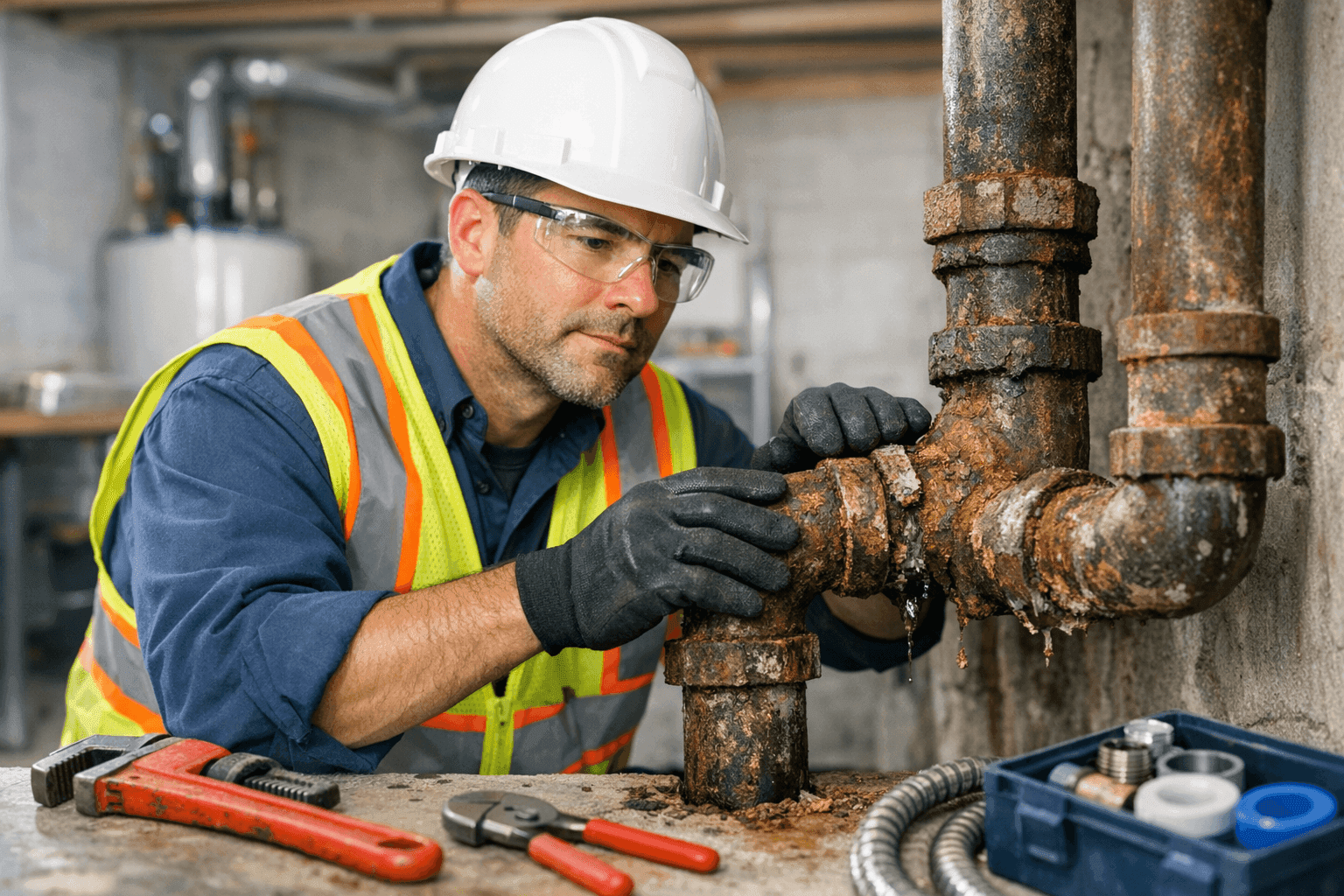
Your plumbing is the silent champion of your home—until it isn’t. Most people don’t think about what’s flowing through their pipes until something goes wrong. But waiting for a breakdown can mean water damage, headaches, and unexpected expenses.
As professionals who see the inside of more pipes than most people see coffee mugs, Julius La Rosa Plumbing knows the warning signs. Spotting them early can save you stress and money. Here’s how to tell when it’s time for a plumbing upgrade—before disaster strikes.
Leaks That Keep Coming Back 🚰
A drip here or a puddle there might seem harmless. But chronic leaks act like termites, quietly eating away at your home’s structure and wallet. When you fix a leak only for another one to pop up a few weeks later, it’s a sign your pipes are aging or corroded.
Signs to watch for:
- Water stains under sinks or on ceilings
- Moldy smells or visible mildew
- Dripping you can’t trace back to one fixture
Upgrades might include updating worn fittings, replacing pipe sections, or even full repiping for older homes. The International Association of Certified Home Inspectors recommends checking visible pipes at least once a year.
Tip: If you’re patching leaks more often than you’re changing air filters, it’s time to talk upgrades.
Weak Water Pressure: A Shower’s Worst Enemy
Does your morning shower feel more like a gentle breeze than a downpour? Low water pressure isn’t just annoying. It’s often a red flag for underlying issues—like sediment buildup, hidden leaks, or old galvanized pipes.
Common culprits:
- Mineral deposits narrowing your pipes
- Partially closed shutoff valves
- Failing pressure regulators
Upgrade options range from cleaning out supply lines to replacing outdated pipes. In some cases, a pressure-boosting system can help. Don’t ignore the signs—what starts as a trickle can end in a flood.
Rust-Colored or Odd-Smelling Water
Turn on the tap. Is the water brown, yellow, or has a metallic taste? That’s not just unappetizing—it’s a warning from your plumbing.
Rusty water often means your pipes are corroding on the inside. If ignored, those pipes can burst or leak, especially in older homes with steel or iron plumbing.
What to do:
- Check if the issue is with hot or cold taps (just hot may point to your water heater)
- Inspect for flakes or sediment in the water
Upgrading to new copper or PEX pipes removes the risk—and clears up your water quality.
Strange Plumbing Noises: Banging, Gurgling, and Whistling
Plumbing shouldn’t sound like a haunted house. Banging, gurgling, or high-pitched whistles are all cries for help from your pipes.
Noises mean:
- Banging (water hammer) can signal loose pipes or sudden pressure changes
- Gurgling may mean blockages or venting problems
- Whistling could be worn-out valves or narrow passages
Upgrades might involve adding water hammer arrestors, replacing valves, or cleaning out drains. Sometimes it’s a quick fix—sometimes it means you need to overhaul your system.
Outdated or Unsafe Pipe Materials
Homes built before the 1980s might have pipes made from materials no longer considered safe, like lead, galvanized steel, or polybutylene. These can corrode, leak, or even contaminate your water.
Check your pipes for:
- Dull gray (lead)
- Rusty orange (galvanized steel)
- Blue-gray with flaking (polybutylene)
Plumbing codes now require safer, longer-lasting materials. Upgrading protects your family and your property’s value. The Uniform Plumbing Code sets standards for safe pipe materials.
Slow Drains and Frequent Backups
If sinks, tubs, or toilets are draining slower than usual, don’t just reach for that plunger. Chronic slow drains mean your pipes are narrowing, roots are invading, or your main line is in trouble.
Warning signs:
- Multiple drains clogging at once
- Gurgling sounds from drains
- Sewage odors
Professional drain cleaning helps, but if the problem keeps returning, it may be time to upgrade to larger or newer drain lines. For persistent issues, our garbage disposal repair near you can also prevent future clogs.
Constant Toilet Repairs and Running Water 🚽
A toilet that never stops running or constantly needs fixing is more than a nuisance. It’s a sign that internal parts are worn or that mineral buildup is causing damage. Constant repairs add up—sometimes it’s more cost-effective to replace fixtures or update supply lines.
Upgrade options:
- New, more efficient toilets
- Modern shutoff valves
- Upgraded water supply lines
Sump Pump Struggles and Basement Flooding
If your sump pump runs constantly, fails to keep up during storms, or is over a decade old, don’t wait for a basement flood. Sump pumps are your last line of defense against water damage. Loud noises, musty smells, or visible rust signal it’s time for an upgrade.
Consider a new, properly sized sump pump, battery backup, or even a secondary system if you live in a flood-prone area. According to the American Society of Home Inspectors, sump pumps should be tested every few months for reliability.
Aging Water Heater: Lukewarm at Best
Water heaters have a lifespan—typically 8 to 12 years. If yours is approaching old age, you may notice rusty water, banging noises, or lukewarm showers. Repairs can keep things going for a while, but at some point, an upgrade is safer and less costly than emergency replacement.
Look for:
- Rust on the tank bottom
- Moisture or leaks around the heater
- Odd noises or inconsistent heating
Newer models are more efficient and can save you money on energy bills.
Odd Smells or Unexplained Mold
A sudden musty, earthy odor or patches of mold can mean hidden leaks behind walls or under floors. These leaks often go undetected until the damage is severe—and expensive.
If you smell mold or see unexplained stains, a leak detection service can pinpoint the source. Upgrading leaky pipes prevents further structural damage and keeps your home healthy.
Your Plumbing Fails Safety Checks
Regular safety checks by a licensed plumber are like getting a physical for your house. If your plumbing fails a pressure test, shows signs of backflow, or doesn’t meet current building codes, it’s time for upgrades.
Why it matters:
- Backflow can contaminate your water
- Old pipes may not withstand modern water flow needs
- Insurance claims can be denied if systems don’t meet code
Stay up to date for peace of mind and to protect your investment.
When It’s an Emergency: Act Fast
Burst pipes, sewage backups, or water pouring through ceilings aren’t just inconvenient—they’re true emergencies. If you’re facing sudden flooding, unexplained water bill spikes, or repeated system failures, don’t wait.
Prompt upgrades can turn a future disaster into a small, manageable project. If you’re in need of quick help, local plumbing support is available in Huntington for emergency repairs and upgrades.
Planning Your Plumbing Upgrade: Where to Start
Recognizing the signs is just the first step. Planning your upgrade takes a little foresight and a lot of common sense.
Steps to follow:
- Get a thorough inspection from a licensed plumber.
- Prioritize urgent repairs (leaks, unsafe materials, major blockages).
- Consider long-term upgrades, like repiping or fixture replacement, for lasting peace of mind.
- Budget for both visible and hidden issues—sometimes what you can’t see is most important.
- Ask about modern, efficient options that save water and energy.
Proactive Upgrades: The Benefits Go Beyond Fixes
Upgrading your plumbing isn’t just about stopping leaks or boosting water pressure. It’s about protecting your home, health, and comfort for years to come.
Benefits include:
- Cleaner, safer water
- Fewer emergencies and costly repairs
- Higher home value
- Lower utility bills with efficient systems
- Peace of mind knowing your plumbing is up to code
DIY or Call a Professional?
Some fixes—like replacing a washer or cleaning a trap—are DIY-friendly. But most upgrades, like pipe replacement, fixture installation, or backflow prevention, require a licensed pro. Modern plumbing codes, safety checks, and specialized tools make professional help the smarter choice for big projects.
If you’re unsure, always err on the side of caution. Water damage moves quickly, and what seems small can become a major headache overnight.
Staying Ahead with Preventative Maintenance 🛠️
The best way to avoid plumbing surprises? Regular maintenance. Schedule annual inspections, keep an eye out for the warning signs above, and don’t ignore small changes in your plumbing’s performance.
Preventative care includes:
- Routine drain cleaning
- Testing sump pumps
- Checking for leaks and water stains
- Inspecting visible pipes and fixtures
Staying ahead now means fewer emergencies later.
Ready to upgrade your plumbing—or just need honest advice? Call Julius La Rosa Plumbing now — or reach us anytime at 855-598-5280 .