Signs Your Sewer Line Needs Repair or Replacement
When your home’s plumbing acts up, it’s not just inconvenient—it can disrupt your entire day. A hidden sewer line problem is one of those issues that starts slow, but can quickly spiral into a much bigger headache. Recognizing the early signs can save you from costly repairs and a lot of mess down the road.
At Julius La Rosa Plumbing, we help homeowners understand what to look for, how to act fast, and what to expect from the repair process. Here’s what every homeowner needs to know about sewer line repair and replacement.
Sewer Line Problem Symptoms 🕳️
Sewer lines are like the silent highways beneath your home. When they back up, you’ll see—and smell—the warning signs before they turn into a crisis.
Backups, Odors, Wet Spots
- Toilet or drain backups: When flushing or draining water causes gurgling, slow drainage, or worse—stuff coming back up—your sewer line may be blocked or broken.
- Unusual smells: That rotten egg or musty odor creeping up from your drains? It often means sewage isn’t flowing where it should.
- Soggy patches in the yard: If parts of your lawn are always wet (even in dry weather), leaking wastewater could be seeping up from a cracked pipe.
Other red flags include:
- Water pooling around basement floor drains.
- Mold or mildew near lower-level walls.
- Multiple fixtures clogging at once.
- Bubbling sounds from pipes after use.
If you’re noticing any of these, pause before reaching for a plunger. The problem may be deeper than a surface clog.
When to Repair vs. Replace
Sometimes a sewer line just needs a patch. Other times, the whole stretch must go. How do you know which is right for your home?
- Repair: Small cracks, isolated clogs, or minor root intrusions can often be fixed using trenchless methods or spot repairs.
- Replacement: Older pipes (especially clay or cast iron), severe collapse, or widespread root damage may call for a full replacement.
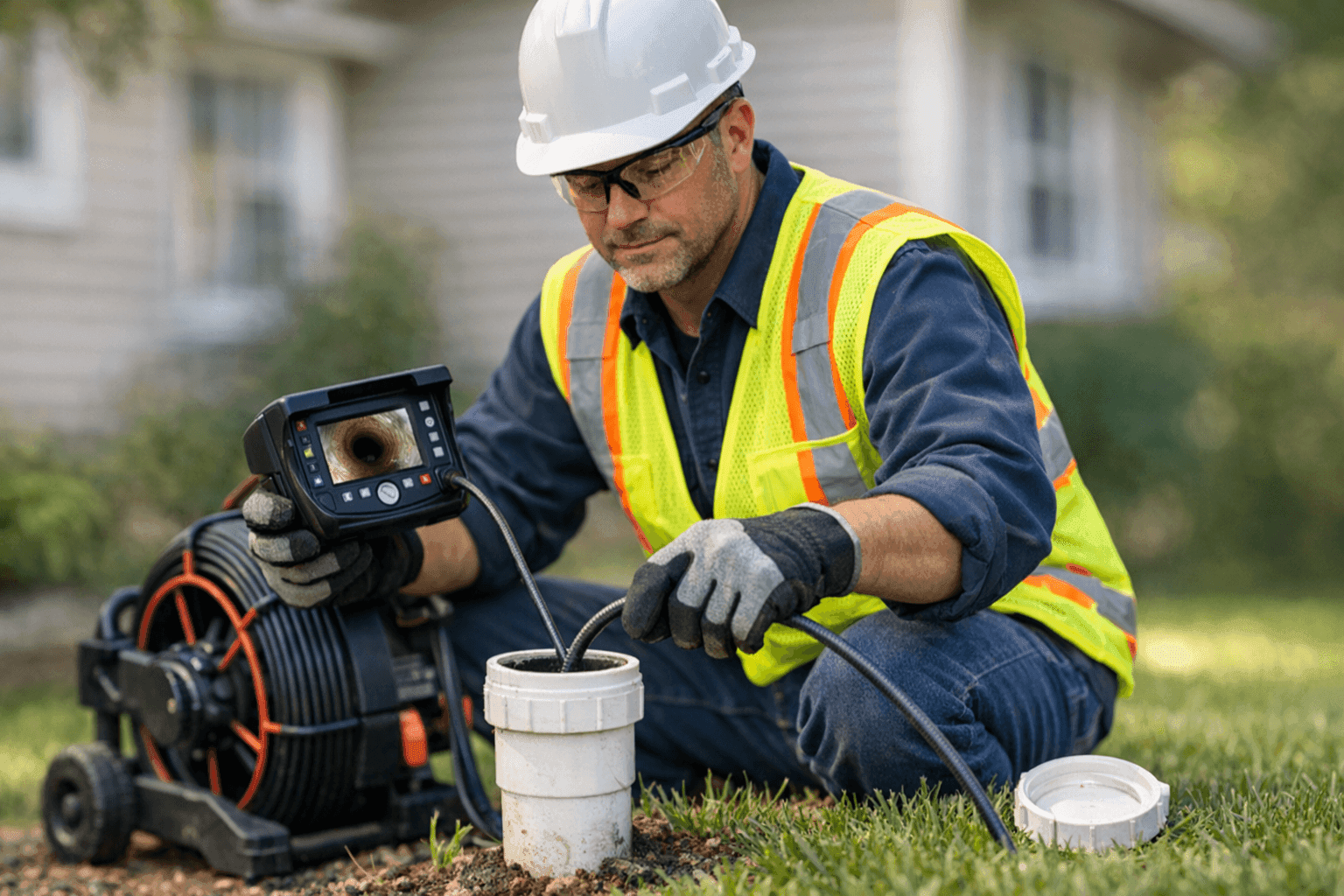
A professional sewer line inspection uses camera technology to pinpoint the trouble. This helps determine if a repair will hold—or if replacement is safer and more cost-effective for the long run.
The Professional Sewer Repair Process 🛠️
When you call in a licensed plumber, here’s what typically happens:
- Assessment: A camera is fed into your sewer line to spot blockages, cracks, or breaks.
- Diagnosis: The plumber explains the issue, reviews footage with you, and outlines options.
- Repair or Replacement: Depending on the findings, they might clear a blockage, patch a spot, or dig up and replace sections of pipe.
- Testing: After the fix, water flow is restored and checked to ensure everything’s running smoothly.
Throughout, you’ll receive updates and honest timelines. Good plumbers follow local codes (like the IPC and your city’s plumbing requirements) to ensure repairs are safe and up to standard.
Quick Safety Checklist
Before you let anyone start digging or cutting:
- Confirm your plumber is licensed and insured.
- Ask about trenchless options to minimize yard disruption.
- Check if local permits are needed—most cities require them for sewer work.
- Know where your property lines and utility lines are.
Prevention & Maintenance
The best way to avoid sewer line disasters? Treat your pipes with care:
- Don’t flush wipes, grease, or hygiene products.
- Use drain screens to catch hair and debris.
- Schedule annual drain cleaning.
- Watch for tree roots near your sewer line—roots seek out water and can crack pipes.
Remember, regular preventive maintenance is far less expensive (and less stressful) than a full replacement.
DIY vs. Call a Pro
A plunger might clear a stubborn toilet once or twice. But when several drains clog at once or bad smells linger, it’s time for a professional. Sewer lines are buried deep, and mistakes can lead to health hazards or property damage.
Trying to fix a sewer line without the right gear is like trying to find a lost ring at the bottom of a muddy lake—frustrating and rarely successful.
Common Mistakes Homeowners Make
- Ignoring recurring clogs, assuming it’s a fluke.
- Using harsh chemical drain cleaners, which can damage pipes.
- Planting trees or shrubs too close to the sewer line.
- Waiting too long—small leaks can lead to big repairs.
Timeline & Disruption
How long will you be without plumbing? For many repairs, work can be done in a day. Full replacements might take several days, especially if excavation is needed. Most pros use careful planning to keep your home as functional as possible during the process.
When It’s an Emergency 🚨
If sewage is backing up into your home, water is pooling indoors, or you smell gas (some sewer lines run near gas lines), call for emergency plumbing right away. Fast action can prevent further damage and protect your family’s health.
Local support is available for residents in El Paso who need urgent plumbing help.
Costs & Time Factors
Sewer line work isn’t cheap, but quick action can keep costs in check. Factors that affect price:
- The length and depth of the affected pipe.
- Repair vs. full replacement.
- Pipe material and accessibility.
- Local permit and inspection fees.
Always ask for a written estimate and a clear explanation of the work.
What Pros Do On Arrival
When a plumber arrives, expect a thorough check—not just of the symptoms, but of the whole system. They’ll inspect, test, and recommend only what’s truly needed. Reliable pros also clean up after the work, leaving your home as tidy as possible.
Materials & Equipment Used
Modern plumbers use specialized cameras, hydro-jetting machines, and trenchless repair methods to minimize digging. Materials can range from durable PVC to high-strength polyethylene, depending on your home’s needs and local code.
Seasonal Considerations
Heavy rains, freezing temperatures, or drought can all stress sewer lines. If you notice problems during or after a weather event, don’t wait—water pressure and soil movement can cause pipes to shift or break.
Frequently Asked Questions
What causes sewer lines to fail?
Tree roots, age, ground movement, corrosion, and improper use (like flushing non-degradable items) are common culprits.
How often should I have my sewer line checked?
Every few years, or whenever you notice persistent problems. Preventive inspections catch issues early.
Can a broken sewer line affect my health?
Yes—untreated sewage can expose your family to harmful bacteria. That’s why prompt repair is so important.
Prevention: What You Can Do
- Schedule routine drain cleaning to keep pipes flowing.
- Monitor water pressure—sudden drops can signal a leak.
- Keep an eye out for changes in your yard, like new dips or lush patches.
- Don’t plant deep-rooted trees near your sewer line.
Related Services
For a deeper look at what’s happening underground, professional sewer line repair services can address the root of the issue and restore your home’s plumbing.
Call Julius La Rosa Plumbing now — or reach us anytime at 855-598-5280 .