Seasonal Plumbing Maintenance Checklist for Homeowners
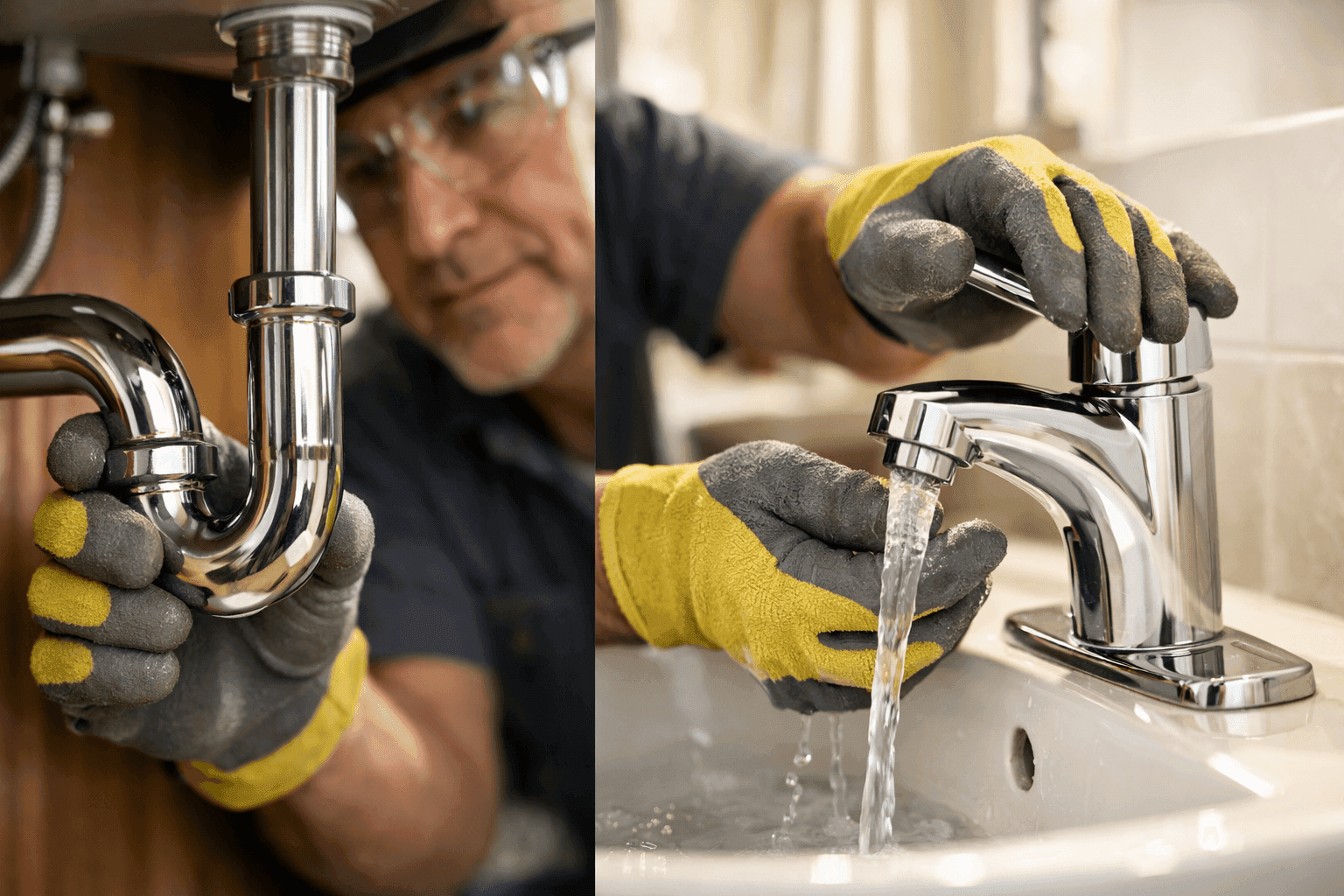
Is your plumbing ready to handle the changing seasons? As a homeowner, a little prevention now can spare you the headache—and cost—of a burst pipe or flooded basement later.
At Julius La Rosa Plumbing, we know plumbing isn’t at the top of your to-do list. That’s why we’ve created this straightforward, room-by-room seasonal checklist to help you keep things running smoothly, without stress or surprises.
Why Seasonal Maintenance Matters 🛠️
Think of your plumbing like a car’s engine. Ignore it, and small issues become big, expensive breakdowns. Regular seasonal upkeep isn’t just about avoiding disasters—it’s about keeping your home’s water systems efficient, safe, and long-lasting.
- Avoid costly emergencies: A little attention now means fewer panicked calls for help at midnight.
- Protect your investment: Plumbing repairs can be expensive. Prevention saves money over time.
- Comply with codes: Many issues, like backflow prevention, are required by local plumbing codes (see International Plumbing Code Section 608 for reference).
When you treat your plumbing with care, your whole home benefits.
Spring & Summer Plumbing Tasks 🌱
As winter thaws, your plumbing needs a refresh. Here’s what to check as the days get longer and temperatures climb:
- Inspect for leaks: Cold weather can crack pipes. Check under sinks, around toilets, and in the basement for damp spots or puddles.
- Test water pressure: Low pressure can signal hidden leaks or mineral buildup.
- Clean drains and garbage disposal: Food and debris linger from winter gatherings. Run cold water, add ice cubes, and grind citrus peels to freshen things up. For stubborn clogs, professional Garbage Disposal Repair near you ensures safe, long-term solutions.
- Check outdoor spigots: Connect a hose, turn on the water, and look for leaks—especially if you forgot to winterize.
- Flush water heater: Sediment build-up can shorten lifespan and reduce efficiency. Draining a few gallons each spring is smart maintenance.
Fall & Winter Preparation
When cold weather looms, plumbing faces new challenges. Pipes don’t like to shiver! Here’s how to stay one step ahead.
- Insulate exposed pipes: Use foam sleeves or wrap with heat tape, especially in unheated areas like garages, attics, or crawl spaces.
- Disconnect and drain garden hoses: Water left in hoses can freeze and back up into your pipes.
- Check sump pump: Pour a bucket of water into the pit to make sure it kicks on. A failed sump pump can invite a flood.
- Inspect boiler and water heater: Schedule a checkup to confirm safe, reliable winter heating.
Freeze Prevention, Outdoor Fixtures ❄️
Frozen pipes can burst like a soda can left in the freezer. Prevention is your best defense:
- Seal cracks and gaps: Look around exterior walls and foundations. Even a mouse hole can let in enough cold air to freeze pipes.
- Leave cabinet doors open: Especially under sinks on cold nights. This lets warm air reach hidden pipes.
- Let faucets drip: A slow trickle keeps water moving, reducing freeze risk.
- Blow out sprinkler systems: Use compressed air to remove water before deep freezes hit.
Outdoor faucets, irrigation lines, and pool plumbing all need to be fully drained or professionally winterized. The National Association of Home Builders recommends these steps to avoid costly repairs.
Signs Your Plumbing Needs Attention
Even with regular care, problems can sneak up on you. Watch for:
- Gurgling drains or toilets
- Unusual water bills
- Water stains on ceilings or walls
- Soggy patches in the yard (could be a hidden sewer or water line leak)
- Odd smells from drains
Don’t ignore these red flags. Early intervention is often a quick fix.
What Homeowners Can Handle (And When to Call a Pro)
There’s plenty you can do yourself—tightening a loose faucet, cleaning traps, or checking for leaks. But some tasks call for a licensed plumber:
- Sewer line inspections
- Gas line checks or installations
- Boiler repair or water heater replacement
- Major leak or pipe repair
If you’re unsure, remember: water finds a way. When in doubt, call someone who’s seen it all before. For ongoing peace of mind, explore our preventative maintenance plans designed for busy homeowners.
Emergency Plumbing: When It Can't Wait
Burst pipe at midnight? Toilet overflowing on a holiday? Plumbing emergencies don’t keep business hours. That’s when you need fast, reliable help.
- Shut off water at the main valve: Know where this is—before you need it.
- Avoid DIY fixes on gas lines: For gas odors, leave the house and call for help immediately.
- Document damage: Take photos for insurance claims.
If you’re facing a sudden crisis and need help in the area, you’ll find local support through our team serving Birmingham homeowners and surrounding communities.
Common Mistakes to Avoid
- Ignoring slow drains: Small blockages can become total backups.
- Flushing “flushable” wipes: They’re not as friendly as they sound. Stick to toilet paper!
- Chemical drain cleaners: These can corrode pipes and worsen clogs. Use mechanical methods or call a professional.
- Over-tightening fixtures: It’s tempting, but too much force can crack pipes or strip threads.
Plumbing Maintenance FAQ
How often should I inspect my plumbing?
Check visible pipes, faucets, and appliances seasonally. Schedule a full inspection with a licensed plumber at least once a year.
Can I pour grease down the drain if I flush it with hot water?
No. Grease hardens as it cools, causing clogs far down your pipes.
What’s the best way to prevent frozen pipes?
Insulate, leave heat on, and keep cabinet doors open during cold snaps.
Do water filtration systems need seasonal maintenance?
Yes. Replace filters as recommended by the manufacturer, and check for leaks or mineral buildup.
Timeline & Disruption: What to Expect
Most seasonal maintenance tasks take less than an afternoon. Major repairs—like repiping or sewer line work—can take longer and may require water shut-off. Schedule these projects when you can be home, and ask your plumber for a realistic timeline.
Materials & Equipment: The Basics
Keep these on hand for DIY maintenance:
- Adjustable wrench
- Plunger
- Bucket
- Flashlight
- Pipe insulation sleeves
- Plumber’s tape
For anything beyond minor fixes, professional tools and expertise make all the difference.
Final Thoughts
Routine seasonal maintenance is the best way to extend your plumbing’s life and avoid emergencies. With a little attention each season, you’ll keep your home’s water flowing smoothly.
Call Julius La Rosa Plumbing now — or reach us anytime at 855-598-5280 .