How to Safely Increase Water Pressure in Your Home
Is your morning shower more of a trickle than a torrent? Does filling the tub take longer than your favorite TV show? Low water pressure is a headache that frustrates many homeowners, turning simple chores into drawn-out tasks.
At Julius La Rosa Plumbing, we know how a drop in pressure can disrupt your day. But you don’t have to put up with weak flow or guess at the cause. There are safe steps you can take to boost water pressure—and clear signs when it’s time to call a professional.
Causes of Low Water Pressure
Low water pressure can sneak up on you. Sometimes it’s a slow fade, other times it’s a sudden drop. Here are some of the most common culprits:
- Clogged pipes: Over time, minerals and debris build up inside pipes, narrowing the path for water.
- Leaky pipes: Even a small leak can mean less water reaches your faucet.
- Faulty pressure regulator: This device controls the pressure entering your home. If it fails, pressure can drop.
- Partially closed valves: Main shutoff or supply valves not fully open will choke off flow.
- Old or corroded plumbing: Aging pipes, especially galvanized steel, can rust and restrict water.
- Municipal supply issues: Sometimes, the problem starts outside your home.
Think of your plumbing like a city street. If there’s a traffic jam (clog), a detour (leak), or a stop sign (closed valve), water can’t move freely.
Quick Safety Checklist Before You Start 🛑
Before diving in, safety comes first:
- Turn off appliances: Shut off dishwashers and washing machines.
- Check for leaks: Wet spots, drips, or mold? Address leaks before boosting pressure.
- Know your main shutoff: In case of emergency, you need to stop the flow fast.
- Wear gloves: Some plumbing parts can be sharp or dirty.
- Don’t force stuck valves: If it won’t budge, it’s time for a pro.
If you spot water where it shouldn’t be, don’t take risks. Water damage can get expensive fast.
DIY Solutions for Boosting Pressure
Some fixes are safe for homeowners. Here’s where you can start:
Cleaning Aerators and Showerheads
Sediment and scale love to hide in faucet aerators and showerheads. Unscrew them, soak in vinegar, and scrub away debris. This can turn a weak spray into a full stream.
Checking Valves
- Main shutoff valve: Usually near where the water line enters your home. Make sure it’s fully open.
- Water meter valve: Sometimes located in a box at the edge of your property. Should also be fully open.
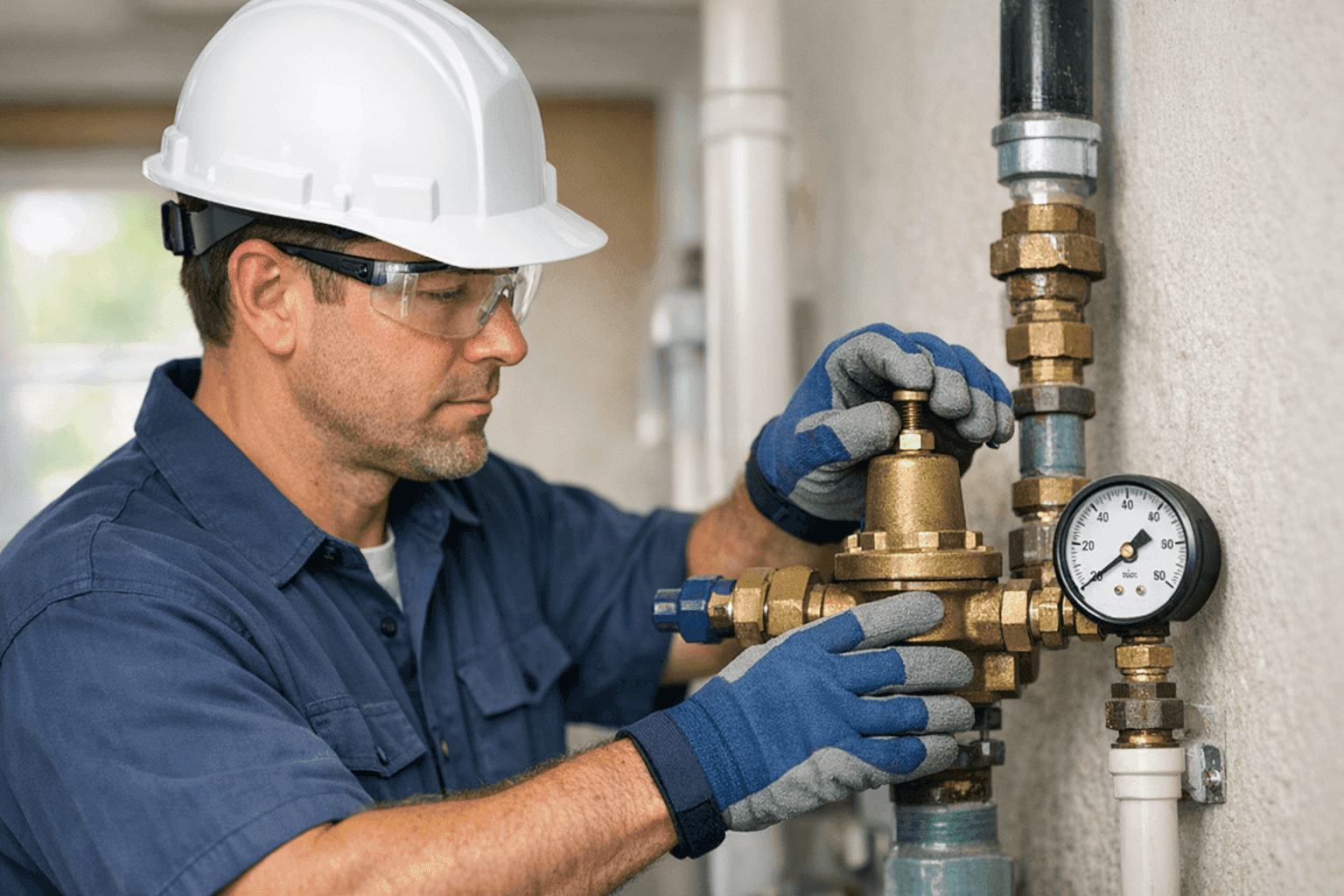
- Pressure reducing valve: Adjust carefully—turning it clockwise increases pressure. Only make small changes. If you’re unsure, leave this to a professional.
Flushing the System
Open all faucets and let water run for several minutes. This can help clear out air and loose debris.
Inspecting for Obvious Leaks
Look under sinks, around toilets, and in basements. If you find a leak, patching it quickly can restore pressure.
When DIY Isn’t Enough: Signs of Bigger Problems
If you’ve tried simple fixes and water pressure is still low, something deeper may be wrong. Watch for:
- Pressure drops in just one room (could mean a localized clog)
- Water that’s rusty or discolored (signals corrosion)
- Wet spots on walls or ceilings (hidden leaks)
- Unusual sounds (whistling, banging, gurgling)
These signs often mean you need pipe repair or other professional help to get your system back in shape.
When to Call a Professional
Some plumbing jobs are best left to those with the right tools and training. You should call in a pro if:
- You suspect a hidden leak inside walls or floors
- The pressure regulator needs replacing
- Pipes are old, corroded, or made of outdated materials
- Water pressure drops suddenly or fluctuates wildly
- DIY efforts haven’t worked
If you’re in need of water pressure issues support, our team is ready to diagnose and resolve the toughest problems.
What the Pros Do on Arrival
A licensed plumber will:
- Inspect your entire system for leaks or blockages
- Test pressure at multiple points
- Check the pressure regulator and main valves
- Use specialized tools for leak detection
- Advise on repiping or upgrades if your system is outdated
We follow local plumbing codes and safety guidelines—like those from the International Plumbing Code—to ensure every fix is safe and long-lasting.
Prevention & Maintenance Tips
Keep your water flowing strong with regular care:
- Clean aerators and showerheads every few months
- Schedule annual plumbing inspections
- Fix small leaks right away
- Avoid chemical drain cleaners—they can corrode pipes
- Know your home’s plumbing age and material
Routine maintenance can catch problems before they turn into costly repairs.
Costs & Time Factors
The cost to fix low water pressure varies. Cleaning aerators? That’s free. Replacing a pressure regulator or repiping? That’s a bigger job. Most minor fixes take under an hour, while major repairs could take a day or more.
Remember: a quick fix now can save you from water damage or expensive repairs down the road.
When It’s an Emergency 🚨
Sudden drops in pressure, flooding, or water pouring from walls? That’s an emergency. Shut off your main valve and call for help immediately. If you need Pompano Beach plumbing services, fast response is available.
Seasonal Considerations
Cold snaps can freeze pipes, causing bursts and pressure loss. In summer, heavy water use (like lawn sprinklers) can also drop pressure. Insulate pipes for winter and stagger appliance use during peak times.
Common Mistakes to Avoid
- Forcing stuck valves (can break them)
- Ignoring small leaks (they get bigger)
- Over-tightening fittings (can cause cracks)
- Using mismatched parts (leads to leaks)
If you’re not sure, it’s safer to call for help.
Frequently Asked Questions
Why is my water pressure low in just one faucet?
Likely a clogged aerator or a local valve issue.
Can I adjust my pressure regulator myself?
Small adjustments are possible, but if unsure, call a pro—incorrect settings can damage pipes.
How do I know if my pipes are too old?
Galvanized steel pipes over 50 years old are likely corroded inside. A plumber can inspect and advise.
Is low pressure a health risk?
It can be—low pressure may allow contaminants to enter your plumbing. Backflow prevention is important.
Timeline & Disruption
Most minor fixes cause little disruption—an hour or less. Major repairs, like repiping, may take a day or more and could require shutting off water to your home temporarily.
Materials & Equipment Needed
- Adjustable wrench
- Vinegar (for cleaning)
- Gloves
- Flashlight
- Bucket (for draining)
- Replacement washers or aerators
Leave specialized tools like pipe cutters and leak detectors to the pros.
Final Thoughts
Water pressure doesn’t have to be a mystery. With safe, simple steps, many homeowners can improve flow on their own. But when the problem runs deeper, it’s smart to get a professional assessment and repair.
Call Julius La Rosa Plumbing now — or reach us anytime at 855-598-5280 .