How to Replace a Sink Trap and Stop Leaks
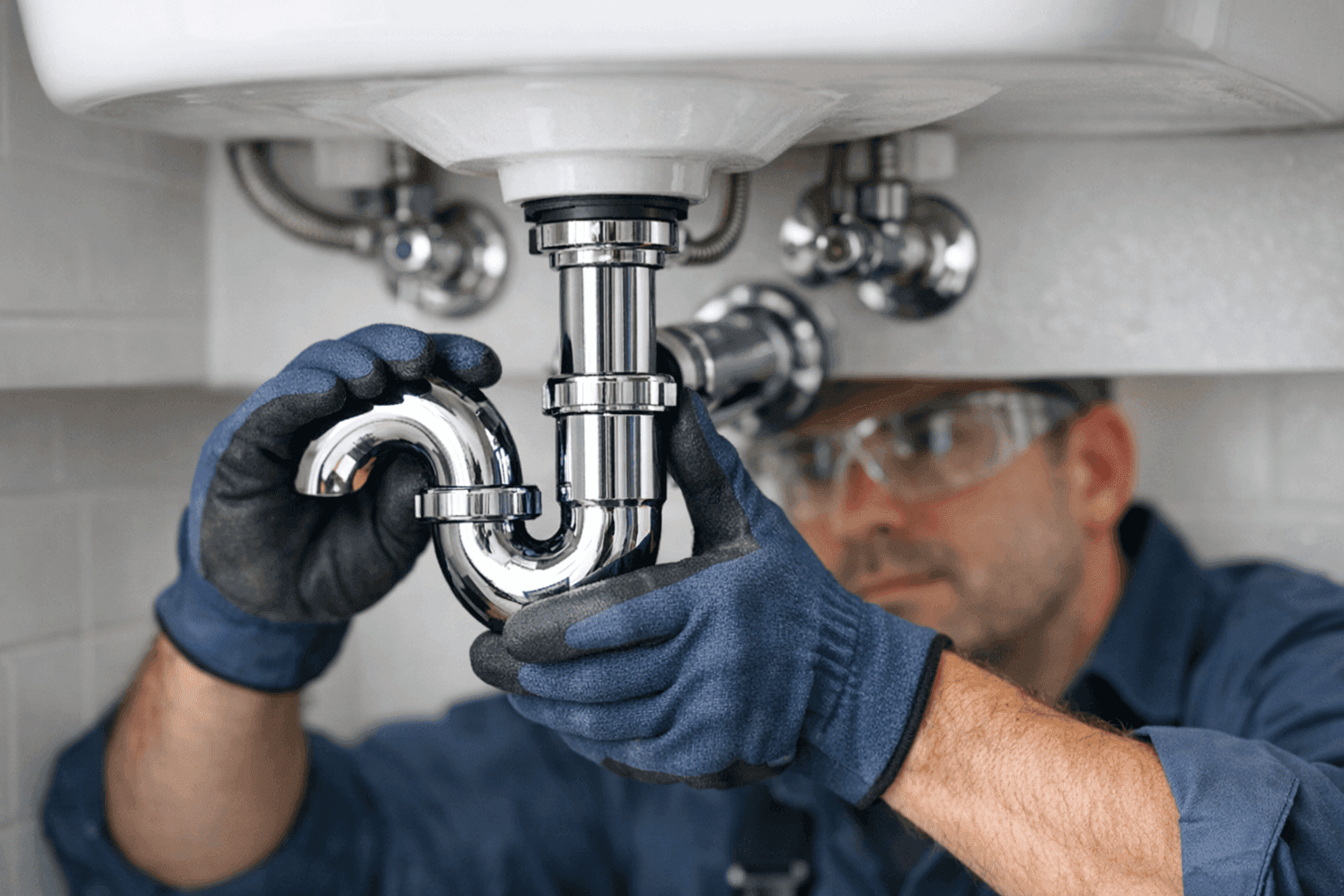
Replacing a sink trap might sound intimidating, but it’s often the difference between a dry cabinet and a puddle that keeps coming back. If you’ve ever opened the cabinet below your sink and found water stains, a musty smell, or—worse—a slow drip, you’re not alone.
At Julius La Rosa Plumbing, we know that a leaky sink trap can disrupt your day and even lead to bigger plumbing headaches. Acting quickly can save you time, money, and the hassle of water damage.
Why Sink Traps Leak 🛠️
Sink traps—those U- or S-shaped pipes under your sink—are designed to keep sewer gases out of your home and catch debris before it clogs your plumbing. But over time, they can start to leak. Why?
- Wear and Tear: Just like a well-worn shoe, the plastic or metal in traps can crack or corrode.
- Loose Connections: Vibrations and daily use can loosen the slip nuts and washers.
- Improper Installation: If the trap isn’t aligned or tightened correctly, leaks are almost guaranteed.
- Clogs and Pressure: A blocked trap puts extra pressure on joints, eventually forcing water out.
Ignoring these signs is like letting a small crack in a dam go unchecked—it only gets worse.
Tools and Parts Needed
Before you crawl under the sink, gather your supplies:
- Adjustable wrench or channel-lock pliers
- Bucket or shallow pan (to catch water)
- Replacement sink trap (match size and type: PVC or metal)
- Plumber’s tape (Teflon tape)
- New slip joint washers (often included with new traps)
- Towels or rags
A flashlight helps, too. Good lighting is your best friend in tight spaces.
Quick Safety Checklist
Plumbing isn’t just about pipes—it’s about safety. Make sure to:
- Turn off the water supply to the sink.
- Clear out everything under the cabinet.
- Keep electrical cords and appliances away from the work area.
- Wear gloves if dealing with old, corroded metal or chemicals.
Following these steps helps prevent accidents and keeps your workspace tidy.
Removing the Old Trap
Now, let’s get our hands dirty (but not too dirty):
- Place a bucket under the trap to catch any water left in the pipe.
- Loosen the slip nuts by hand or with pliers. Turn counterclockwise. If they’re stuck, a gentle tap with the wrench can help.
- Carefully remove the trap and let the water drain into the bucket. Take a look inside—if it’s full of gunk, you’ve found part of the problem.
- Inspect the washers and pipe ends. If the washers are brittle or misshapen, toss them.
If you notice rust, cracks, or signs of previous patchwork, replacing the trap is the right move.
Installing a New Trap
Think of this as building a puzzle—the pieces need to fit just right:
- Dry-fit the new trap to make sure it lines up with the sink tailpiece and wall drain.
- Slide new washers onto the pipes. The beveled edge should face the trap.
- Connect the trap to the tailpiece and wall drain. Hand-tighten the slip nuts.
- Align the trap so there’s no strain on the joints. Pipes should meet without bending.
- Tighten the slip nuts with pliers—but don’t overdo it. Too much force can crack plastic or strip threads.
If you’re using metal pipes, wrap threads with plumber’s tape for a snug, leak-resistant seal.
Leak Testing and Prevention 💧
This is where you find out if your work holds water—literally.
- Run water through the sink for several minutes.
- Check every joint for drips or beads of water.
- Wipe the pipes with a dry rag, then check again. Even a slow leak can cause problems over time.
If you spot moisture, gently tighten the connections. Still leaking? Double-check the washer placement and make sure the trap isn’t cross-threaded.
For persistent leaks, professional leak repair may be needed to tackle hidden or recurring issues.
Common Mistakes to Avoid
Even seasoned DIYers can slip up:
- Over-tightening slip nuts can crack plastic or warp washers.
- Forgetting new washers leads to leaks right away.
- Mismatched pipe sizes cause poor alignment and gaps.
- Not checking for clogs—if you replace a trap but leave a blockage upstream, leaks may return.
Take your time. Rushing only leads to more work.
DIY or Call a Pro?
Replacing a sink trap is doable for most homeowners, but certain situations call for backup:
- Pipes are corroded or fused together
- There’s evidence of mold or water damage
- The leak returns after a new trap is installed
If you’re unsure, a professional sink repair can save you from trial and error (and another puddle).
What the Pros Do on Arrival
When a plumber steps in, they’ll:
- Inspect the entire drain assembly, not just the trap
- Check for venting issues that cause slow drainage
- Use specialized tools to tighten and test joints
- Recommend upgrades if your plumbing is outdated
This thorough approach ensures the problem is fixed at the source, not just patched over.
Preventative Maintenance Tips 🧰
A little care goes a long way:
- Clean your trap every few months—unscrew, rinse, and reassemble.
- Avoid pouring grease, coffee grounds, or fibrous foods down the drain.
- Use strainers to catch hair and debris.
- Check for leaks after heavy use or seasonal temperature swings.
Staying ahead of problems is easier than cleaning up after a flood.
Signs of Trouble
Don’t ignore these red flags:
- Persistent musty odor under the sink
- Water stains or swelling in cabinet base
- Drips that return after tightening connections
- Gurgling sounds or slow drainage
These can signal deeper plumbing issues that need attention.
Timeline & Disruption
Most sink trap replacements take under an hour. You’ll spend more time clearing out the cabinet than actually changing the trap. The water supply stays off only briefly, so household disruption is minimal.
Costs and Materials
A basic PVC trap costs less than a fancy coffee. Metal traps run a bit higher. The real cost is time and peace of mind—fixing leaks early prevents expensive repairs later.
When It’s an Emergency
If water is pooling fast, you smell sewage, or the leak is near electrical outlets, this is more than a minor annoyance. Turn off your water supply and call for help. Local Bloomington plumbing experts are ready to help when the unexpected happens.
Seasonal Considerations
Cold weather can make pipes brittle. In winter, check traps for cracks or leaks after a freeze. In humid months, watch for condensation that can mimic a leak.
Local Codes and Safety
Always follow local plumbing codes. The International Plumbing Code (IPC) and Uniform Plumbing Code (UPC) have guidelines for pipe materials and connections. If you’re unsure, consult your city’s building department or a licensed plumber.
Final Thoughts
A leaky sink trap is more than a nuisance—it’s a warning sign from your plumbing. With a few tools, some patience, and this guide, you can tackle the job yourself and keep your home dry and comfortable.
Call Julius La Rosa Plumbing now — or reach us anytime at 855-598-5280 .