Repiping Your Home: What to Expect from Start to Finish
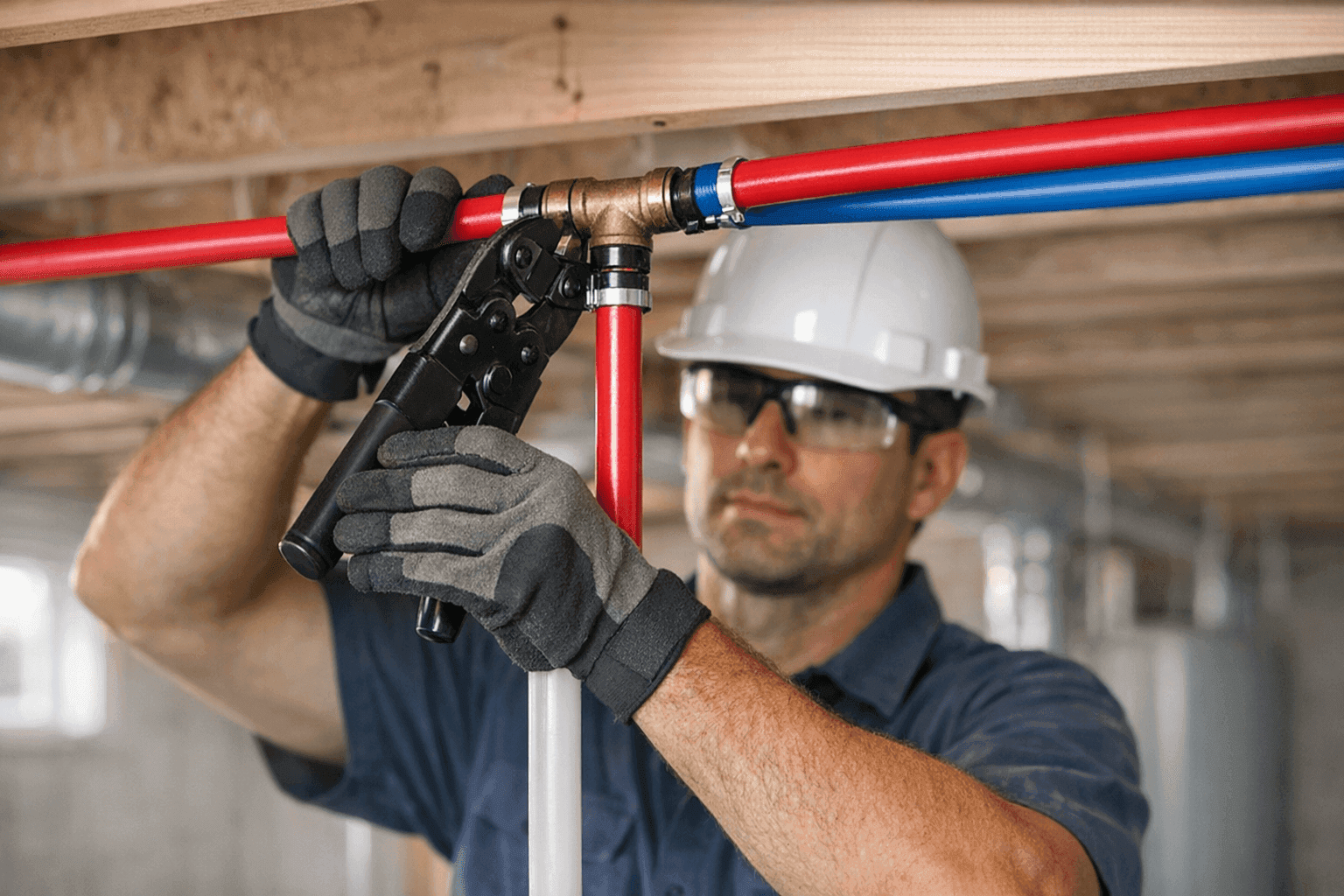
Are you noticing rusty water, low pressure, or leaks cropping up like weeds in spring? Repiping can seem like a big, mysterious job—one that makes most homeowners pause. But with the right information, you can turn that anxiety into action.
At Julius La Rosa Plumbing, we’ve helped families just like yours upgrade their homes’ plumbing for safety, comfort, and peace of mind. Let’s pull back the curtain and walk through exactly what happens when your house needs new pipes, one step at a time.
Why Homes Need Repiping
Pipes aren’t immortal. Over decades, even the best plumbing falls victim to age, corrosion, or damage. Like an old tree with weakening roots, a home’s pipes can quietly deteriorate until one day a problem bursts out—sometimes literally.
Common signs your home may need repiping:
- Discolored or metallic-tasting water
- Frequent leaks or pipe repairs
- Drop in water pressure
- Visible corrosion or flaking on exposed pipes
- Noisy, banging, or vibrating pipes
If your house is over 40 years old, especially with galvanized steel or polybutylene pipes, it’s worth considering a full repipe. The American Society of Home Inspectors and International Association of Certified Home Inspectors both recommend periodic plumbing evaluations for older homes.
Materials Overview: PEX vs. Copper 🛠️
Choosing the right pipe material is like picking the best shoes for a long hike. The right fit means comfort and reliability for years to come.
PEX (Cross-linked Polyethylene)
- Flexible and easy to install around corners
- Resistant to scale and chlorine
- Less likely to burst in freezing temperatures
- More affordable than copper
Copper
- Durable and time-tested
- Resists bacteria and UV damage
- Can handle high temperatures
- Slightly more expensive and labor-intensive
Both materials are approved by the Uniform Plumbing Code and local building authorities. Your plumber should help you choose based on your home’s needs, your budget, and the local climate.
The Project Timeline: How Long Will It Take?
A whole-home repipe isn’t an overnight job, but it won’t take the whole season either. Think of it like a kitchen remodel: there’s prep, careful work, and a thorough cleanup.
Typical timeline:
- Initial consultation & inspection: 1–2 hours
- Permitting & planning: 1–7 days (varies by municipality)
- Repiping work: 2–5 days for most homes
- Inspection & final patching: 1–2 days
Larger or multi-story homes may need more time. Weather, access, and any surprises behind the walls can add a day or two. Your plumber should give you a clear, written schedule before work begins.
Preparing Your Home and Family
Before the first tool comes out, there’s groundwork to do. Preparation is key for a smooth process.
- Clear a path: Move furniture, rugs, and valuables from work areas. Plumbers need access to walls, floors, and plumbing fixtures.
- Protect pets and kids: Curious little ones and pets should have safe zones away from the action.
- Plan for water shut-offs: You may be without water at times, so fill pitchers and buckets, and make arrangements for bathing if needed.
Your plumber will explain exactly what to expect on day one, and how your daily routine might change during installation.
Permits, Codes, and Safety Measures
Repiping isn’t just about swapping pipes. It’s about doing it safely and legally. Licensed plumbers pull the right permits and follow safety codes set by the International Residential Code (IRC) and your local authorities.
- Permit process: Your plumber handles applications and inspections.
- Lead-safe practices: For older homes, special steps are taken to avoid lead dust from old solder or pipes.
- Pressure testing: New pipes are tested and inspected before walls are closed up.
This isn’t a shortcut job—a reputable team treats your home like their own, with safety and compliance every step of the way.
What to Expect During Installation
On installation day, your house becomes a work zone. It’s a bit like surgery—precise, controlled, and focused on long-term health.
- Access holes: Small sections of drywall may be opened to reach pipes. These are patched after work is complete.
- Old pipe removal: Out with the old—safely and efficiently.
- New pipe installation: Whether PEX or copper, pipes are run to every fixture.
- Testing: The new system is pressure-tested for leaks.
- Wall repair: Drywall is patched and ready for your touch-up paint.
Daily cleanup is part of the routine. You won’t be left in a mess.
Minimizing Disruption: Living Through a Repipe
Worried about chaos? While repiping is intrusive, a careful plumber keeps the dust to a minimum and the schedule tight.
Tips for a smoother experience:
- Cover nearby furniture with plastic sheets.
- Use a portable bathroom if water will be off for longer stretches.
- Communicate with your plumber about daily routines and special needs.
- Ask about phased work if you need partial access to water.
Most families can stay home during the process. Expect some noise, but major disruption is kept to a minimum.
When It’s an Emergency
Sometimes, repiping can’t wait—like when a major leak threatens floors or walls. In these moments, fast response is essential.
If you’re facing a sudden pipe failure, reach out for immediate help. Our team is available for emergency plumbing calls, and if you’re in the area, you can find out more on our Bowling Green service page.
Choosing a Reputable Plumber for Repiping
Handing over your home’s "veins" to a stranger is a big deal. Look for licensed, insured plumbers with experience in whole-home repiping.
Key questions to ask:
- Are you licensed and insured for plumbing and pipe installation?
- What materials do you recommend for my home?
- Will you handle permits and inspections?
- How will you protect my home and belongings?
- Can I see reviews or references from similar projects?
The right plumber will answer clearly and share a detailed plan—no hand-waving or guesswork.
Cost Factors: What Goes Into the Price?
Repiping costs depend on several variables:
- Size and layout of your home
- Number of plumbing fixtures
- Choice of materials (PEX is generally more affordable than copper)
- Accessibility (finished basements, crawlspaces, etc.)
- Local permit fees and inspection requirements
Always request a written estimate. It should break down labor, materials, and any extra repairs needed. Transparent pricing up front helps you budget with confidence.
Common Mistakes to Avoid
Here’s where DIY meets its limits. Repiping isn’t a weekend project. Mistakes can lead to leaks, water damage, or even code violations.
Avoid these pitfalls:
- Skipping permits—this can void insurance or resale value
- Hiring unlicensed "handymen"
- Choosing the cheapest bid without checking credentials
- Ignoring signs of water damage or mold after work is done
Stick with pros who specialize in repiping and pipe repair. It truly pays off.
After the Work: Cleanup and Final Steps 🧹
When the dust settles, your plumber should leave your home as tidy as they found it.
- Walls and ceilings are patched
- Work areas are vacuumed and wiped down
- Old pipes and debris are hauled away
- Plumbing is tested one last time
You’ll receive a final walkthrough to answer questions and confirm everything is in order.
Preventative Maintenance: Protecting Your New Pipes
New pipes are a fresh start, but they’re not invincible. Take care of your upgraded plumbing with a few easy habits:
- Avoid harsh chemical drain cleaners—they can eat away at pipes
- Schedule annual inspections
- Keep an eye out for unexpected changes in pressure or water color
- Fix small leaks quickly before they become big problems
Following these tips, your new pipes should last for decades.
Seasonal Considerations for Repiping
Extreme temperatures—hot or cold—can affect both old and new pipes. Winter freezes are notorious for causing burst pipes, while summer heat can stress older systems.
If you’re planning a repipe, aim for milder weather if possible. But remember, professionals are equipped to handle jobs year-round, and sometimes waiting isn’t an option if you’re dealing with leaks or water damage.
Frequently Asked Questions
Will my water be off the whole time? No, water is only shut off during certain steps—usually a few hours per day.
Do I need to move out? Most families stay home, but if you have special needs, discuss them with your plumber.
How long will new pipes last? PEX and copper can last 40-70 years under normal conditions.
Is repiping noisy and messy? There will be some noise and dust, but daily cleanup keeps things livable.
Final Thoughts: What to Expect, What to Ask
Repiping is a big step, but with clear communication and a qualified team, it’s one that pays off for decades. From the first inspection to the final patch, you should know what’s happening, why, and how your home’s safety is protected.
If you’re considering a whole-home repipe, Julius La Rosa Plumbing is ready to guide you through each stage. Whether you need new pipes, pipe repair, or just have questions, we’re here to help.
Call Julius La Rosa Plumbing now — or reach us anytime at 855-598-5280 .