The Real Cost of Plumbing Repairs: What Homeowners Should Budget
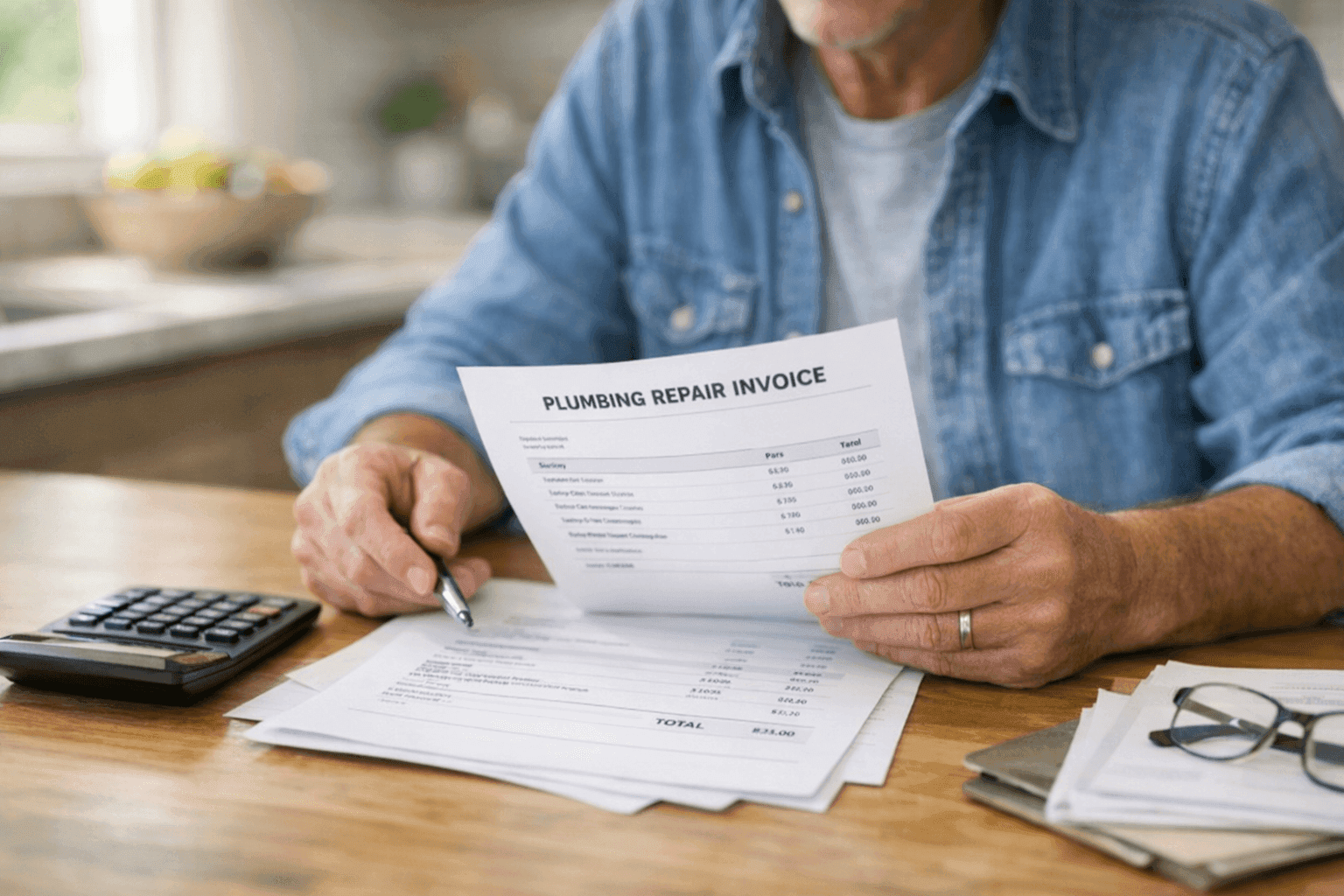
Every homeowner dreads that sudden drip, gurgle, or gush. Plumbing surprises don’t wait for payday, and the costs can feel like a leaky faucet—slow at first, then suddenly flooding your budget. At Julius La Rosa Plumbing, we believe you deserve clear, honest answers about what plumbing repairs really cost.
You work hard for your home. When something goes wrong, you shouldn’t have to guess what you’ll pay. Let’s break down the real numbers, the hidden factors, and the smart ways to keep your plumbing—and your wallet—safe.
Why Plumbing Repairs Can Surprise Your Budget
Plumbing isn’t just pipes and wrenches. It’s the lifeblood of your home, running under floors and behind walls. When problems pop up, they can be as unpredictable as a spring rainstorm. Some fixes are quick. Others take detective work and careful hands.
The cost? It can swing wildly. A simple clog may cost less than a dinner out, while a hidden pipe leak could rival a weekend getaway. Understanding the common culprits and what it takes to fix them is the first step to budgeting wisely.
Common Plumbing Repairs and What They Cost 💧
Let’s get real about what you might pay for the most common fixes:
- Leak Repair: Small leaks in visible pipes may run $150–$350. If the leak is inside a wall or under a slab, costs rise fast—sometimes $500–$1,500 or more, depending on access and damage.
- Clogged Drains or Toilets: Clearing a basic clog might cost $100–$300. Severe blockages, especially in main sewer lines, could reach $400–$1,000.
- Fixture Replacement: Swapping a faucet or toilet usually falls between $150–$500, depending on the quality and style you choose.
- Pipe Repairs: The price for pipe repair depends on the material, location, and extent of the damage. Expect $250–$800 for a single section, but full repiping can climb to several thousand dollars.
Remember, these are ballpark figures. Actual prices vary with your home’s age, layout, and the specific problem.
What Drives Plumbing Costs?
Why does one leak cost $200 and another $2,000? Several factors play a role:
- Location of the problem: Pipes hidden behind walls or under foundations are harder—and pricier—to reach.
- Type of repair: Simple fixes (like a new washer) cost less than replacing whole sections of pipe.
- Materials: Copper, PEX, PVC—all have different price tags.
- Extent of damage: Water damage to floors, cabinets, or drywall adds to your bill.
- Emergency service: After-hours calls or weekend emergencies often cost more.
Think of plumbing like car repairs: a quick oil change is cheap, but engine work takes time, tools, and expertise.
The Hidden Costs Most Homeowners Miss
When a pipe bursts, you see the water—but not always the hidden price tags. Keep these in mind:
- Water damage restoration: Mold removal, drywall repair, and floor replacement can add hundreds or thousands.
- Code compliance: Permits or upgrades to meet local plumbing codes may be required.
- Recurring issues: Ignoring a small problem can turn it into a big, expensive one down the line.
DIY vs. Professional: When to Roll Up Your Sleeves
It’s tempting to grab a wrench and tackle the problem yourself. Sometimes, that’s fine—tightening a loose faucet or plunging a toilet is safe for most homeowners. But for anything involving pipes, gas lines, or hidden leaks, it’s best to call a licensed plumber.
The risk? DIY mistakes can lead to bigger repairs, water damage, or even safety hazards. As the International Association of Plumbing and Mechanical Officials (IAPMO) notes, proper repairs must follow building codes to keep your home safe.
What to Expect When a Plumber Arrives
A professional plumber doesn’t just fix the obvious. They’ll:
- Inspect the problem area
- Check for hidden leaks or damage
- Explain your repair options clearly
- Provide a written estimate before starting work
This transparency helps you understand exactly what you’re paying for—and why.
Emergency Plumbing: What’s Worth the Extra Cost?
Burst pipes at midnight. Overflowing toilets during a holiday dinner. Some plumbing problems just can’t wait. Emergency service costs more, but it can prevent major damage and headaches.
If you’re facing an urgent issue, local support is available—plumbing services in New Haven are ready when you need them most.
Seasonal Plumbing Costs: What Changes With the Weather? 🌦️
Cold snaps can freeze pipes. Spring rains may flood basements. Summer brings heavy water use. Each season brings its own plumbing risks—and potential repair costs.
- Winter: Frozen pipes can burst, leading to expensive repairs.
- Spring: Heavy rain can overwhelm sump pumps and expose sewer line issues.
- Summer: Increased outdoor water use may strain old pipes.
- Fall: Leaves and debris can clog drains and gutters.
Plan ahead and schedule preventative maintenance to avoid seasonal surprises.
Signs of Plumbing Trouble: Catch Issues Early
Watch for these red flags:
- Unexplained water bills
- Damp spots on ceilings or walls
- Slow drains or frequent clogs
- Gurgling noises from pipes
- Low water pressure
Catching problems early can save you hundreds—or even thousands—down the line.
How Long Will Repairs Take? Timeline and Disruption
Some fixes are quick—an hour or two for a simple clog. Others, like repiping or major leak repairs, may take a day or more. Your plumber should explain the timeline and let you know if water will be shut off, so you can plan accordingly.
How to Save on Plumbing Repairs Without Cutting Corners 🛠️
- Prevent problems: Annual inspections and maintenance catch issues before they grow.
- Know your shut-off valves: In a leak emergency, turning off water quickly minimizes damage.
- Choose quality fixtures: Cheap parts save money now but may fail sooner.
- Get clear estimates: Ask for detailed, written quotes to avoid surprises.
- Don’t delay repairs: Small leaks become big headaches if ignored.
Preventative Maintenance: Your Best Investment
Regular checkups are like oil changes for your plumbing. They help spot leaks, corrosion, or worn-out parts before disaster strikes. The Plumbing-Heating-Cooling Contractors Association (PHCC) recommends annual inspections for most homes.
Frequently Asked Questions
Q: Can I ignore a small leak if it doesn’t bother me?
A: Even a tiny drip can waste gallons of water and rot wood or drywall. Fix leaks promptly.
Q: Why is pipe repair so expensive?
A: It often involves cutting into walls, replacing old materials, and restoring finishes. Learn more about pipe repair and what’s involved.
Q: Are all plumbers licensed?
A: Not always. Always check credentials and ask about insurance before hiring.
Preparing for a Plumbing Service Visit
Before your plumber arrives:
- Clear the work area of personal items.
- Write down what you’ve noticed—noises, leaks, or changes in water pressure.
- Know where your main water shut-off valve is located.
This helps the plumber work efficiently and keeps your costs down.
The Value of Quality Work: Why It Pays Off
Cutting corners with cheap fixes can be like patching a tire with tape—it won’t last. Quality plumbing work protects your home, your health, and your peace of mind. It’s an investment in safety and comfort.
When plumbing problems strike, clear information and honest pricing make all the difference. Whether it’s a dripping faucet or a burst pipe, Julius La Rosa Plumbing is here to help you plan, budget, and get back to normal.
Call Julius La Rosa Plumbing now — or reach us anytime at 855-598-5280 .