The Real Cost of Pipe Repair: What Homeowners Should Know
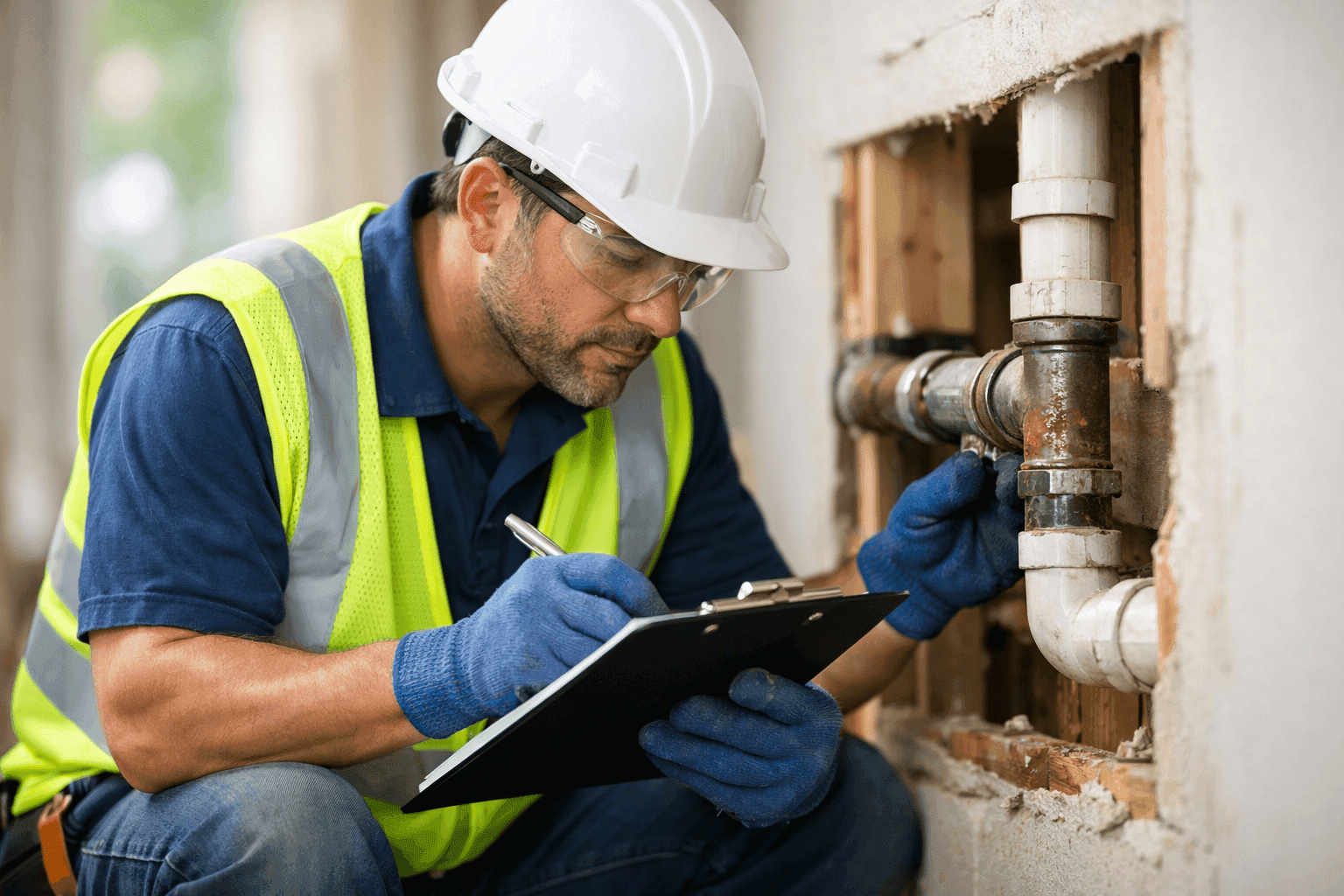
Is there anything more unsettling than the sound of dripping water where silence should be? You stare, hoping it’s nothing—but your gut says otherwise. Pipe problems can sneak up on homeowners. When they do, costs can run higher than you’d expect. At Julius La Rosa Plumbing, we’ve seen it all and understand how stressful pipe repairs can be for families and homeowners.
Let’s pull back the curtain on pipe repair pricing. We’ll break down what actually affects your bill, common repair situations, and offer real-world tips to help you avoid unwelcome surprises.
What Influences Pipe Repair Costs? 💲
Pipe repair isn’t just about swapping out a faulty piece. Like a car’s engine, your home’s plumbing is a system—each part affects the whole. Repair costs can swing wildly based on:
- Type of Pipe Material: Copper, PVC, PEX, and cast iron all have different price tags. Old galvanized pipes? More labor to handle.
- Location of the Problem: Is it under your sink, behind a wall, or beneath your foundation? Hard-to-reach spots mean more time and, yes, more money.
- Extent of Damage: A pinhole leak is a different beast than a burst pipe. Water damage restoration or mold remediation adds to the bill.
- Access and Labor: Sometimes, just getting to the pipe means removing cabinets or even breaking through concrete.
- Permits and Code Requirements: Local codes (see International Plumbing Code and state safety guidelines) can require permits, especially for major repairs or repiping. This isn’t something to skip.
The bottom line? No two pipe repairs are exactly alike. Even similar leaks can cost different amounts depending on the context.
Common Pipe Repair Scenarios
Some repairs crop up more often than others. Here’s what homeowners usually face:
- Small Leak Repair: Think of a slow drip under the kitchen sink. These are usually quick fixes—if caught early.
- Clogged Drain or Blocked Pipe: Grease, hair, or tree roots can choke the flow. Sometimes, the fix is a simple snaking; other times, it’s digging up the yard.
- Burst or Frozen Pipes: Cold winter nights can split pipes wide open, flooding basements or crawl spaces.
- Corroded or Aging Pipes: Over time, minerals eat away at metal pipes, causing leaks that sneak up over months or years.
- Hidden Leaks: These are tricky. Water stains, musty smells, or unexplained spikes in your water bill are the usual clues.
If you suspect a leak but can’t find it, leak detection services can pinpoint the source before your repair bill balloons.
How to Get an Accurate Estimate
Sticker shock is common. To keep surprises to a minimum, here’s how to approach pipe repair estimates:
- Request a Thorough Inspection: A surface glance won’t cut it. A plumber needs to assess not just the leak but the pipe’s overall condition.
- Ask for Itemized Quotes: Know what you’re paying for—materials, labor, disposal, and potential restoration work.
- Inquire About Permits: If a permit is needed, you’ll want that included in the quote.
- Check for Additional Work: Sometimes, the obvious problem is just the tip of the iceberg. Ask if related issues (like water pressure problems) could add to the cost.
- Be Wary of “Ballpark” Numbers: Every home is unique. A trustworthy plumber will explain the variables, not just toss out a flat rate.
Pro tip: Some repairs, especially those involving gas lines or water heaters, must follow specific safety codes. Always ask if your job falls into this category.
Preventing Costly Repairs in the Future 🛠️
A little prevention goes a long way. Think of it like regular oil changes for your car—small investments now can save you from breakdowns later.
- Inspect Exposed Pipes Each Season: Especially before winter. Insulate as needed to prevent freezing.
- Watch Water Pressure: High pressure strains pipes. If you notice banging pipes or leaky connections, it’s time for a checkup.
- Be Mindful of What Goes Down the Drain: Grease, wipes, and coffee grounds can lead to clogs and backups.
- Schedule Regular Maintenance: An annual visit from a pro can spot trouble before it surfaces. If you’ve had issues in the past, ask about preventative maintenance.
- Upgrade Aging Pipes: If your plumbing is decades old, consider repiping before a major failure.
For more on keeping your pipes healthy, the American Water Works Association offers helpful homeowner resources.
Signs You Might Have a Pipe Problem
Spotting issues early can be the difference between a quick fix and a costly overhaul. Keep an eye (and ear) out for:
- Unexplained puddles, damp spots, or water stains
- Sudden drop in water pressure
- Odd smells, especially musty or earthy scents
- The sound of running water when all taps are off
- Spike in your water bill
Don’t ignore these signals. Early action is usually cheaper.
The Timeline: How Long Does Pipe Repair Take?
Time is money—but so is peace of mind. Most minor repairs, like fixing a single leak, can be wrapped up in a few hours. More complex jobs—like repiping a bathroom or repairing pipes under a slab—could take several days.
Your plumber should give you a clear sense of the expected timeline, including how your daily routine might be affected.
What Happens When the Pros Arrive
Ever wonder what plumbers really do when they walk through your door? Here’s a peek behind the curtain:
- Assessment: Using tools like moisture meters or even thermal cameras, they’ll pinpoint the source.
- Isolation: Shutting off water or gas to the affected section, so things don’t get worse.
- Repair or Replace: Depending on the damage, they’ll patch, replace, or reroute pipes as needed.
- Testing: Once done, they’ll check for leaks and make sure everything’s up to code.
- Cleanup: A good plumber leaves your home as tidy as they found it.
Emergency Pipe Repairs: What to Know 🚨
Sometimes, waiting isn’t an option. Burst pipes, flooding, or major leaks need immediate attention. It’s not just about protecting your property; unchecked water can cause mold, structural damage, and health issues in a hurry.
If you’re dealing with an unexpected plumbing disaster, it’s reassuring to know that help is available locally—in Philadelphia and nearby areas, rapid response can make all the difference.
DIY vs. Calling a Plumber
Some homeowners are handy and can handle a leaky faucet or a loose fitting. But when it comes to pipe repairs—especially those involving gas, main water lines, or anything behind walls—calling a licensed plumber is the safest bet.
DIY mistakes can turn a small problem into a much larger, more expensive one. And some repairs, by law, must be done by certified professionals.
Seasonal Considerations: Keep Your Pipes Safe All Year
Winter brings frozen pipes; summer storms can flood basements. Each season comes with its own risks:
- Winter: Insulate pipes in unheated areas. Let faucets drip on frigid nights.
- Spring: Check for leaks after thawing and heavy rains.
- Summer: Watch for shifting soil after dry spells, which can stress underground pipes.
- Fall: Clear gutters and downspouts to prevent backups.
A seasonal plumbing checklist can help you stay ahead of trouble.
Materials and Their Impact on Repairs
The type of pipe in your home shapes everything: cost, lifespan, and repair methods.
- Copper: Durable but pricier. Great for water lines.
- PVC/PEX: Affordable and flexible. Now common in new builds.
- Galvanized Steel: Older homes may still have this—prone to corrosion.
- Cast Iron: Tough, but heavy and expensive to replace.
Knowing your home’s plumbing material helps set realistic expectations for repairs and future maintenance.
Hidden Costs to Watch For
Pipe repair costs aren’t always just about the pipe. Factor in:
- Wall or Floor Repairs: Sometimes, fixing the pipe means patching drywall or flooring.
- Mold Remediation: Undetected leaks can lead to mold, adding to your bill.
- Permit Fees & Inspections: Required by many local governments.
- Restoration Work: After the pipe is fixed, restoring your space can add time and money.
A thorough upfront estimate should include these possibilities.
Common Mistakes Homeowners Make
- Ignoring Small Leaks: That little drip can lead to thousands in damage.
- Using Chemical Drain Cleaners: These can corrode pipes and make things worse.
- DIY Gone Wrong: Over-tightening fittings, using the wrong materials, or incomplete repairs.
- Delaying Repairs: Hoping a problem will “just go away” rarely works.
Stay proactive—your wallet will thank you.
Preparing for Pipe Repair Service 🛁
Before your plumber arrives:
- Clear the area around the affected pipe.
- Remove valuables or fragile items.
- Take note of any strange noises, smells, or water usage changes.
- Know where your main shutoff valve is (just in case).
Being prepared can speed up the process and reduce disruption.
Navigating Pipe Repair Costs with Confidence
Understanding the real cost of pipe repair is about more than just numbers. It’s about knowing what drives those numbers—and how to control them. At Julius La Rosa Plumbing, we believe that informed homeowners make better decisions. If you’re facing a pipe repair, or just want peace of mind, check out our pipe repair services for more info on what to expect.
Call Julius La Rosa Plumbing now — or reach us anytime at 855-598-5280 .