Preventative Maintenance Tips for Older Homes’ Plumbing
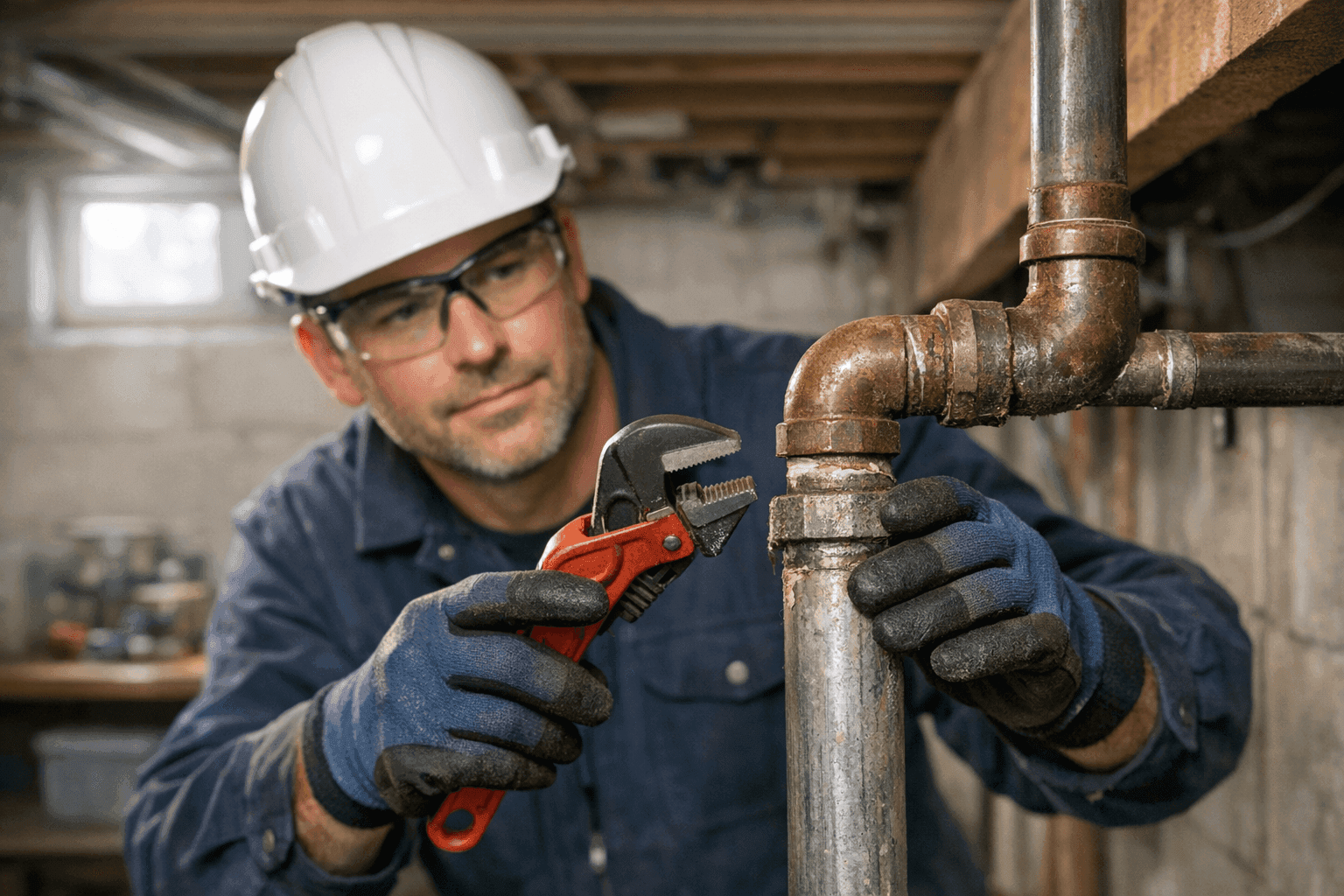
Owning an older home is like holding a piece of living history. The creak of the floorboards, the craftsmanship, even the quirks—they all tell a story. But beneath the charm, aging plumbing can quietly threaten that story. One leak, one clog, and suddenly you’re facing repairs that can feel overwhelming.
At Julius La Rosa Plumbing, we’ve spent years working with homes built decades—sometimes a century—ago. We know the pitfalls, and more importantly, how to help you avoid them. Here’s how you can keep your vintage abode’s plumbing in good shape, so you’re not caught off guard by unwelcome surprises.
Unique Risks for Older Homes 🏠
The pipes behind your walls might have been installed when rotary phones were the latest tech. Materials like galvanized steel, clay, or even cast iron were common in plumbing before modern codes phased them out. These older materials come with their own set of risks:
- Corrosion: Steel and iron pipes rust from the inside out, making leaks more likely over time.
- Mineral Buildup: Hard water leaves deposits that slowly narrow pipe openings, reducing flow and pressure.
- Worn Joints and Seals: Gaskets, washers, and seals break down, causing tricky leaks in hidden places.
- Outdated Fixtures: Faucets, toilets, and valves may be inefficient or prone to failure.
- Non-compliant Layouts: Older homes sometimes have plumbing that doesn’t meet today’s safety codes, especially for gas lines and venting.
What does this mean for you? Even if everything seems fine, hidden weaknesses may lurk. Regular attention is the only way to keep small problems from becoming big, expensive emergencies.
Plumbing Maintenance Checklist
Think of this as your road map to a safer, healthier plumbing system. Set a reminder on your calendar for these steps:
Monthly:
- Run water through sinks and tubs you don’t use often. This keeps traps full and odors away.
- Check under sinks for dampness or discoloration.
- Listen for odd noises in pipes when water is running.
Quarterly:
- Inspect visible pipes for signs of corrosion or leaks.
- Test shut-off valves to make sure they turn easily.
- Check toilet tanks and bowls for slow leaks (a few drops of food coloring can help spot them).
Twice a Year:
- Remove and clean faucet aerators and shower heads to clear out mineral buildup.
- Flush your water heater to remove sediment—especially important in older homes.
- Test sump pumps if you have a basement.
Annually:
- Schedule a professional preventative maintenance inspection for peace of mind and expert advice.
- Check washers and hoses on your washing machine for cracks or bulges.
- Inspect outdoor spigots and irrigation connections after winter.
Each of these steps is a stitch in the fabric that keeps your home’s plumbing strong.
Signs of Aging Pipes and Fixtures
How do you know if your pipes are showing their age? Stay alert to these clues:
- Low Water Pressure: If your shower feels more like a drizzle, it could mean buildup or leaks.
- Discolored Water: Brown or yellow tints can signal rust inside pipes.
- Frequent Clogs: More than the usual slow drain could mean narrowing pipes or tree roots in your sewer line.
- Odd Tastes or Odors: Metallic or earthy flavors in your tap water point to pipe corrosion or bacterial growth.
- Stains on Walls or Ceilings: Even a faint mark might be a warning from a slow leak.
If you notice any of these, don’t ignore them. Early action is almost always less disruptive—and less costly—than waiting for a full-blown plumbing emergency.
When to Consider Repiping
Sometimes, patching leaks or unclogging a pipe is just putting a bandage on a bigger problem. Repiping is like giving your home’s plumbing a fresh start. But when is it truly necessary?
- Frequent Leaks: If you’re calling for repairs more than once a year, replacement may be more cost-effective.
- Lead or Galvanized Pipes: Homes built before the 1980s may have pipes that pose health risks or face total failure.
- Major Renovations: Planning a kitchen or bathroom remodel? It’s the perfect time to upgrade aging lines.
- Persistent Water Quality Issues: If your water stays discolored or foul-smelling after repairs, the pipes may be to blame.
- Insurance Requirements: Some insurers require pipe replacement for certain materials before issuing or renewing a policy.
Repiping isn’t a small project, but it’s an investment in your home’s safety and value. For a deeper look at what’s involved, see our guide to repiping older homes.
DIY vs. Call a Pro
Every homeowner wonders: Should I try fixing this myself? Some tasks—like tightening a loose faucet or clearing a hair clog—are safe for a Saturday afternoon. But when you face hidden leaks, persistent blockages, or anything involving gas or sewer lines, call in a licensed plumber.
Not only do pros have specialized tools, but they also know how to work without damaging original materials. In older homes, a little mistake can turn into a big repair fast. Plus, many building codes require certain repairs to be done by licensed professionals for safety.
What Professionals Do On Arrival
When a plumber arrives at your door, the process is more than just a quick glance at your pipes. Here’s what you can expect:
- Comprehensive Inspection: Visual checks, pressure testing, and sometimes even video inspections of sewer lines.
- Code Compliance: Ensuring all repairs and upgrades meet safety standards, such as those set by the International Plumbing Code (IPC) and local regulations.
- Material Matching: Using compatible parts to preserve your home’s character and protect against future leaks.
- Clear Explanations: You’ll get a rundown of what’s urgent, what can wait, and what will help extend the life of your system.
Prevention & Maintenance: The Long Game
The best way to keep your plumbing healthy? Don’t wait for trouble. Proactive maintenance is like brushing your teeth—a little effort now prevents bigger problems later.
- Install Water Filtration: This protects pipes from mineral buildup and improves water taste.
- Upgrade Problem Fixtures: Swap out leaky or corroded faucets, showerheads, and valves.
- Insulate Pipes: Especially in crawlspaces or near exterior walls to prevent winter bursts.
- Add Backflow Prevention: Stops contaminated water from entering your clean supply.
- Monitor Water Pressure: High pressure stresses old pipes. A pressure regulator can extend their life.
Costs & Time Factors
Worried about the price tag? Maintenance is almost always cheaper than repairs after a pipe bursts or a sewer backs up. Many fixes take only a few hours, while major projects like repiping can take several days—but the disruption is temporary, the peace of mind is lasting.
Small investments in regular care help you avoid emergency bills and keep your home running smoothly.
When It’s an Emergency
No one wants to face a flooded basement or a burst pipe at midnight. But knowing what to do can limit the damage:
- Shut Off the Main Water Valve: Know where it is—practice turning it off before you ever need to.
- Assess for Electrical Hazards: If water is near outlets or appliances, stay clear and call for help.
- Call for Emergency Plumbing: Some issues can’t wait, especially with older plumbing.
If you’re in need of immediate local support, our team is always available for plumbing emergencies in Boulder.
Seasonal Considerations
Older homes often have less insulation and exposed pipes. As seasons change, so do the risks:
- Winter: Frozen pipes are a top hazard. Let faucets drip during cold snaps and insulate vulnerable lines.
- Spring: Heavy rains can overwhelm sump pumps and sewer lines—test everything before storm season.
- Summer: Increased outdoor water use can strain old pipes. Check for leaks around hoses and spigots.
- Fall: Clear gutters and yard drains to prevent water from backing up into your home.
A little seasonal prep goes a long way in protecting your plumbing from the elements.
Common Mistakes Homeowners Make
Even with the best intentions, it’s easy to slip up:
- Ignoring Slow Drains: What starts as a trickle can become a total blockage.
- Using Chemical Drain Cleaners: These can eat away at older pipes and cause more harm than good.
- Overtightening Fixtures: This can crack porcelain or strip old threads.
- Flushing “Flushable” Wipes: Despite the label, they can clog pipes—especially in older systems.
Avoiding these pitfalls helps keep your plumbing in fighting shape.
How to Prepare for Service
Before your plumber arrives:
- Clear the area around sinks, toilets, or basement access points.
- Have a list of symptoms or problems you’ve noticed—no detail is too small.
- Know where your main shut-off valve is located.
- If you have pets, secure them in another room.
Being ready makes the process faster and less stressful for everyone.
Materials & Equipment: What’s Under the Hood
Older homes may have pipes made from materials that are now known to be less durable or even hazardous:
- Lead: Common in homes built before 1940. A health risk, especially for children.
- Galvanized Steel: Prone to corrosion, leading to leaks and water quality problems.
- Copper: Durable, but can still develop pinhole leaks over time.
- Cast Iron: Strong, but susceptible to rust and root intrusion in sewer lines.
Modern replacements—like PEX or copper—offer greater reliability and longevity. If your plumbing is still running on outdated materials, consider planning for an upgrade.
FAQ: Your Plumbing Questions Answered
Q: How often should I have my plumbing inspected?
A: We recommend a professional inspection annually, especially in homes older than 30 years.
Q: Is it safe to drink water from old pipes?
A: It depends on the pipe material. Lead and heavily corroded pipes can pose risks; water testing is wise.
Q: What’s the best way to prevent clogs?
A: Avoid flushing anything but waste and toilet paper. Use drain strainers and clean them regularly.
Q: Can I repair leaks myself?
A: Small drips from faucets or visible joints may be a simple fix, but hidden or persistent leaks need a plumber.
Q: What’s the first step if I find a leak?
A: Turn off your home’s water supply and call a plumber. The faster you act, the less damage you’ll face.
Take Action Before Problems Start
Your home’s history is worth preserving. With regular preventative care, you can stay ahead of costly surprises and keep your plumbing healthy for years to come. If you’re ready to schedule a checkup or want expert help with preventative maintenance for older homes, our team is here to guide you.
Call Julius La Rosa Plumbing now — or reach us anytime at 855-598-5280 .