Preventative Maintenance: The Secret to a Healthy Plumbing System
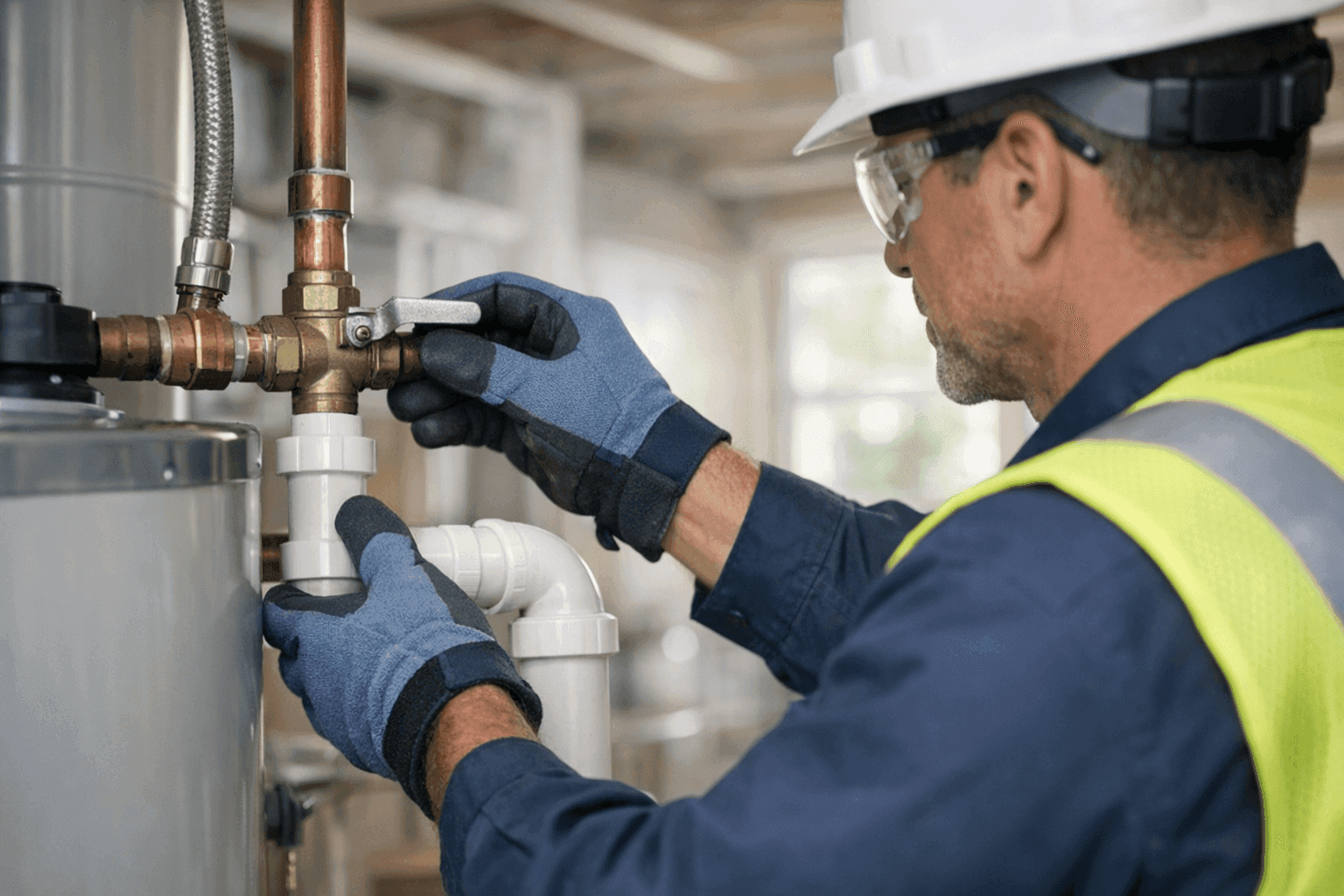
Every homeowner dreads waking up to a flooded bathroom or a mysterious puddle in the basement. Plumbing problems rarely announce their arrival—they sneak up when you least expect them. But with the right approach, you can stop most issues before they start.
At Julius La Rosa Plumbing, we know that preventative maintenance is more than just a checklist. It’s peace of mind for your family and protection for your biggest investment: your home.
Why Maintenance Matters
A healthy plumbing system isn’t just about pipes, valves, and drains. It’s about comfort, safety, and the confidence that your home will run smoothly all year. Small leaks can become big headaches. A drip today could be a flood tomorrow. Regular preventative care is like giving your home an annual checkup—spotting little issues before they turn into costly disasters.
The EPA estimates that the average household’s leaks can account for nearly 10,000 gallons of wasted water every year. Imagine pouring that much water down the drain. With annual maintenance, you keep your system efficient and your water bills low.
The Hidden Dangers Lurking in Your Plumbing
It’s easy to ignore what you can’t see. Pipes run behind walls and under floors, quietly doing their job. But out of sight shouldn’t mean out of mind. Rust, mineral buildup, and even tree roots can quietly attack your plumbing, leading to unexpected breakdowns.
Think of your plumbing like the circulatory system of your house. When something blocks the flow, the whole system suffers. Annual maintenance helps keep everything clear, strong, and ready for whatever life brings.
Seasonal Maintenance Checklist 🗓️
Certain plumbing issues are more likely to pop up as the weather changes. Here’s a quick guide to keep your system healthy, season after season:
Spring:
- Inspect exposed pipes for cracks left by winter freeze.
- Test sump pumps before spring rains hit.
- Check all faucets and outdoor spigots for leaks.
Summer:
- Clean out yard drains and gutters.
- Inspect washing machine hoses for wear.
- Flush your water heater to remove sediment.
Fall:
- Insulate pipes in unheated areas.
- Check outdoor faucets and drain garden hoses.
- Test backflow prevention devices.
Winter:
- Monitor for frozen pipes during cold snaps.
- Make sure indoor temperatures stay above freezing.
- Schedule a professional inspection if you’ll be away for extended periods.
Key Areas to Inspect in Your Home
Pipes and Joints
Even the strongest pipes can develop tiny leaks over time. Look for water stains on ceilings, walls, or in the basement. Listen for hissing or dripping sounds at night when the house is quiet. If you notice musty odors or unexplained mold, your plumbing could be to blame.
Water Heater
Your water heater works hard year-round. Flushing it at least once a year prevents sediment buildup, which can cut efficiency and shorten its lifespan. Check the pressure relief valve and look for rust or water pooling beneath the tank.
Fixtures and Faucets
Dripping faucets aren’t just annoying—they waste water and signal worn-out washers or seals. Inspect under sinks for moisture, corrosion, or soft spots in the cabinetry. Don’t ignore slow drains, as they often hint at deeper blockages.
Proactive Repairs: What You Can Do
- Tighten loose faucet handles and spouts.
- Replace worn washers and gaskets.
- Clean aerators to restore water flow.
- Use drain strainers to prevent clogs.
If you notice ongoing leaks or water pressure changes, it’s best to get a professional involved. Small fixes today can save big money down the road.
Professional Maintenance Services
Some jobs are best left to those with the right tools and training. Annual plumbing inspections by a qualified technician go far beyond what you can see.
A pro will:
- Use specialized equipment for leak detection inside walls and underground.
- Check for proper water pressure and flow.
- Test your water heater’s safety systems.
- Inspect sewer lines with cameras to spot early signs of trouble.
- Review your whole system for code compliance and efficiency.
And if anything needs attention, you’ll get recommendations for repair or replacement before a small concern becomes a crisis.
The Costs—and Savings—of Preventative Care
It’s easy to put off maintenance when nothing seems wrong. But a single burst pipe or major leak can cost thousands in repairs and water damage—not to mention the stress and disruption.
Preventative maintenance is an investment. Like changing the oil in your car, it keeps your plumbing running smoothly and extends the life of your fixtures and appliances. Homeowners often find that the cost of routine care is far less than emergency repairs.
What Happens During an Annual Plumbing Inspection?
A Julius La Rosa Plumbing technician will:
- Look for leaks, corrosion, and worn parts.
- Test water pressure at key fixtures.
- Check the function of safety devices.
- Evaluate your water heater and filtration system.
- Inspect drains and sewer lines for blockages.
You’ll get a clear report of your system’s health and practical tips for ongoing care. No guesswork. No pressure. Just honest advice.
Common Mistakes Homeowners Make
- Ignoring small leaks, hoping they’ll go away.
- Pouring grease down the drain, which leads to stubborn clogs.
- Using chemical drain cleaners that can eat through pipes.
- Forgetting to disconnect hoses in winter, risking burst pipes.
- Skipping annual inspections because “everything seems fine.”
These little oversights can lead to big headaches.
Signs of Trouble You Shouldn’t Ignore 🚩
- Unusual sounds from pipes or fixtures.
- Spikes in your water bill without explanation.
- Water spots, peeling paint, or bubbling drywall.
- Persistent musty smells.
- Slow drains or frequent clogs.
If you spot any of these warning signs, it’s time to take action.
DIY or Call a Pro?
Some maintenance tasks are simple: tightening a loose fixture, cleaning a drain trap, or installing a new washer. But if you’re facing recurring leaks, water heater problems, or sewer line concerns, professional help is safer and more effective.
Plumbing codes and safety standards exist for good reason. The International Plumbing Code (IPC) and local guidelines help ensure repairs are done right, protecting your home and your family.
The Role of Leak Detection in Preventative Maintenance
Hidden leaks are one of the most common (and costly) threats to a home. Modern leak detection tools use sound, pressure, and even thermal imaging to find sneaky problems before they become visible. Annual preventative maintenance visits often include these advanced checks, catching issues early and saving you money.
When It’s an Emergency
Despite your best efforts, emergencies still happen. From burst pipes to overflowing toilets, quick action is crucial. If you’re in the area and need urgent help, our Odenton plumbing services offer fast, reliable support whenever you need it.
Preparing for Your Service Visit
Before your technician arrives:
- Clear under-sink cabinets and access panels.
- Make a list of any plumbing concerns.
- Note any changes in water pressure, temperature, or drainage.
This helps your plumber work efficiently and spot issues you may not have noticed.
Building Long-Term Value and Peace of Mind 🛠️
Annual plumbing maintenance isn’t just about avoiding emergencies. It’s about feeling confident every time you turn on the tap or run the shower. It’s about protecting your investment and ensuring your home is safe for everyone inside.
You’ll rest easier knowing your plumbing is in top shape—and that you’re saving money, water, and worry in the long run.
Call Julius La Rosa Plumbing now — or reach us anytime at 855-598-5280 .