Plumbing Upgrades for Energy Efficiency and Water Savings
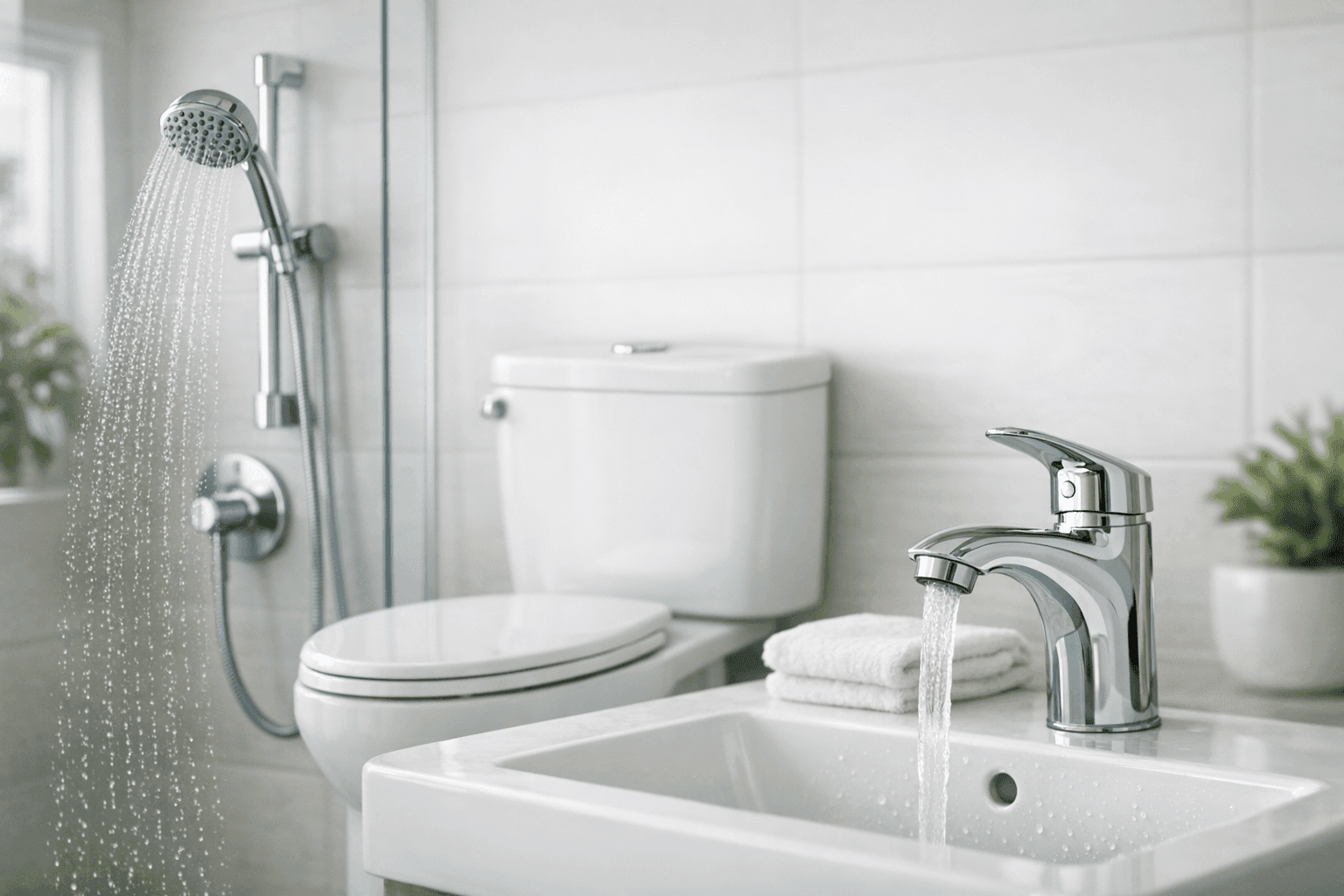
When your water bill creeps higher, or the shower feels more like a drizzle than a downpour, it’s easy to shrug and move on. But small changes in your plumbing can ripple out, saving you money, conserving water, and making life at home a whole lot more comfortable. At Julius La Rosa Plumbing, we get it: families want solutions that work for the long haul, not just a quick fix.
Efficiency isn’t just a buzzword for us—it’s a way to help you stretch every drop and dollar. With the right upgrades, you can lower utility bills without sacrificing convenience or comfort. Let’s dig into how smart plumbing choices light up your home’s future.
Why Efficiency Matters 🌱
Every faucet drip is like a leaky wallet. Over time, old plumbing fixtures and outdated appliances drain your resources as silently as a drafty window lets heat escape. According to the U.S. Environmental Protection Agency (EPA), the average household can waste nearly 10,000 gallons of water each year because of leaks and inefficiency.
That’s not just about the water. Heating water accounts for nearly 18% of your home’s energy use, says the U.S. Department of Energy. The right upgrades—think high-efficiency heaters, low-flow fixtures, and properly installed pipes—can turn waste into savings. And it’s not just about your wallet. Every gallon saved is a win for the planet.
Top Water-Saving Plumbing Upgrades
You don’t need to overhaul your whole house to make a difference. Targeted upgrades pack a punch.
Low-Flow Fixtures: Small Changes, Big Impact 🚿
Imagine a faucet as a garden hose with a thumb over the end. Old faucets and showerheads spray water freely, but low-flow models use clever designs to cut flow while maintaining pressure. Swapping to low-flow toilets, showerheads, and faucets can reduce water use by up to 60%, according to EPA WaterSense guidelines.
- Low-flow toilets: Newer models use as little as 1.28 gallons per flush, compared to the old 3–7 gallons.
- Aerated faucets: They mix air with water, so you get a strong stream with less water.
- Efficient showerheads: These offer satisfying showers while cutting gallons per minute.
If you’re considering a fixture refresh, see more about fixture installation upgrades for homes.
Efficient Water Heaters: The Silent Workhorse
Behind the scenes, your water heater is always on call. Traditional tanks keep gallons hot around the clock, sipping energy even when you’re asleep. Modern options offer more:
- Tankless heaters: These heat water as you need it, avoiding “standby” heat loss.
- Heat pump heaters: They move heat from the air to the water, using less electricity.
- Insulated tanks: If you’re not ready for a new unit, a simple insulating jacket can help.
Want to learn more about replacing or upgrading? Our page on water heater installation explains what to expect.
Leak Detection: Catching Problems Early
A slow leak is like a hidden hole in your bucket. Over time, it adds up. Professional leak detection uses acoustic tools and pressure tests—a bit like a doctor’s stethoscope for your pipes. Spotting issues early prevents damage, mold, and wasted water.
- Check under sinks and behind toilets for drips.
- Watch for soft spots on floors or walls.
- Listen for hissing or running water sounds when fixtures are off.
If you suspect a hidden leak, don’t wait. Left unchecked, it can raise your bills and risk costly repairs.
Pipe Upgrades and Repiping
Old galvanized pipes can corrode, leak, and restrict water flow. Modern piping materials—like PEX and copper—improve water pressure, lower risk of leaks, and resist buildup. Repiping might sound major, but it’s like giving your home a fresh set of arteries for water to move freely.
- PEX piping: Flexible, freeze-resistant, and long-lasting.
- Copper piping: Durable and naturally antimicrobial.
Upgrading pipes can also set the stage for other efficiency improvements, like higher-performing fixtures.
Garbage Disposal & Kitchen Plumbing Tweaks
A well-maintained garbage disposal cuts down on kitchen waste and helps your dishwasher run smoother. But did you know modern disposals use less energy and can even help prevent clogs when paired with smart plumbing layouts? Simple upgrades in the kitchen—like touchless faucets or water-efficient dishwashers—save both water and hassle.
Smart Plumbing Controls
Think of a smart thermostat, but for your plumbing. Leak detectors, Wi-Fi-enabled shutoff valves, and programmable irrigation systems all help you monitor and manage water use from your phone. The peace of mind alone is worth it.
Water Filtration and Softening
Clean water is essential, but hard water can shorten the life of your appliances and leave residue behind. High-efficiency filtration and softening systems reduce buildup, improve taste, and help fixtures last longer. Efficient filters also use less water to backflush and regenerate, further adding to savings.
Preventative Maintenance: An Ounce of Prevention
Regular checkups are as important for plumbing as they are for health. Annual inspections, cleaning out drains, and flushing water heaters can prevent surprise breakdowns. Maintenance also keeps warranties valid and ensures your systems run at peak efficiency.
- Flush water heaters: Removes sediment and boosts efficiency.
- Inspect sump pumps: Especially important before rainy seasons.
- Test backflow devices: Protects your drinking water from contamination.
DIY or Call a Pro?
Changing a showerhead is a breeze for most. But when it comes to water heater replacement, repiping, or gas line work, it’s best to bring in someone who knows the twists and turns. Plumbing codes and safety standards—like the International Plumbing Code (IPC) and local building regulations—exist for a reason.
If you’re ever unsure, skip the guesswork. Professional installation ensures the job’s done right—and safe.
Safety First: Quick Checklist
- Turn off water at the main if working on major repairs.
- Always shut off power to electric water heaters before servicing.
- Use proper tools to avoid damaging pipes or fixtures.
- Wear gloves and goggles for protection.
The National Fire Protection Association (NFPA) and local code guidelines are great references for safe work practices, especially around gas lines and hot water systems.
Signs of Trouble: Is It Time to Upgrade?
Listen to your plumbing. Some telltale signs you need an upgrade:
- Water bills climbing for no clear reason.
- Rusty or cloudy water at the tap.
- Noisy pipes or frequent leaks.
- Inconsistent water pressure.
- Warm spots on the floor (possible slab leak).
- Outdated fixtures or appliances.
Don’t ignore these red flags—they’re your home’s way of waving for help.
Costs, Timeline, and Disruption
Worried about the mess or time involved? Most fixture swaps or water heater upgrades take less than a day. Repiping and major overhauls may take longer but can often be staged to minimize disruption. A reputable plumber (like us) will always talk you through what to expect.
- Fixture installation: 1–2 hours per unit.
- Water heater replacement: 2–4 hours, depending on access and type.
- Repiping: 2–5 days, but sections can be isolated to keep water running elsewhere.
Costs vary based on materials and scope. The upside? Many upgrades qualify for rebates and may boost your home’s value.
When It’s an Emergency
Some issues can’t wait—major leaks, sewer backups, or loss of hot water demand immediate action. For those living in the area, local plumbing help is available in St. Louis for urgent repairs and upgrades.
Seasonal Considerations
Winter brings frozen pipes; summer can stress sump pumps and irrigation. Plan upgrades and maintenance around the seasons:
- Insulate pipes before deep freezes.
- Test sump pumps before spring rains.
- Check outdoor faucets for leaks in summer.
Being proactive keeps emergencies at bay and ensures your upgrades deliver year-round.
Frequently Asked Questions
Does every fixture need to be upgraded at once?
No—start with the highest-use fixtures or those showing signs of age. Even one new showerhead can make a difference.
Will low-flow mean weak water pressure?
Modern fixtures are designed to maintain strong flow while using less water. It’s a bit like swapping an old, thirsty car for a fuel-sipper that’s still fun to drive.
Can I install these myself?
Some fixtures are DIY-friendly, but anything involving gas, hot water, or major plumbing changes should be handled by a licensed pro.
Installation and ROI: Why Professional Service Matters 🛠️
Proper installation is the backbone of any upgrade. Improperly installed fixtures can leak, cause water damage, or fail prematurely. Certified plumbers follow local codes and manufacturer specs, ensuring safe, lasting results.
- Protect your investment: Quality installation prevents future headaches.
- Optimize efficiency: Even the best fixture can underperform if not installed correctly.
- Safety checks: Gas lines, water heaters, and backflow devices all require expert handling.
Ready to get started? Explore fixture installation services or learn more about energy-efficient water heater options to see how your home can benefit.
Call Julius La Rosa Plumbing now — or reach us anytime at 855-598-5280 .