Plumbing Code Compliance: What Homeowners Should Know
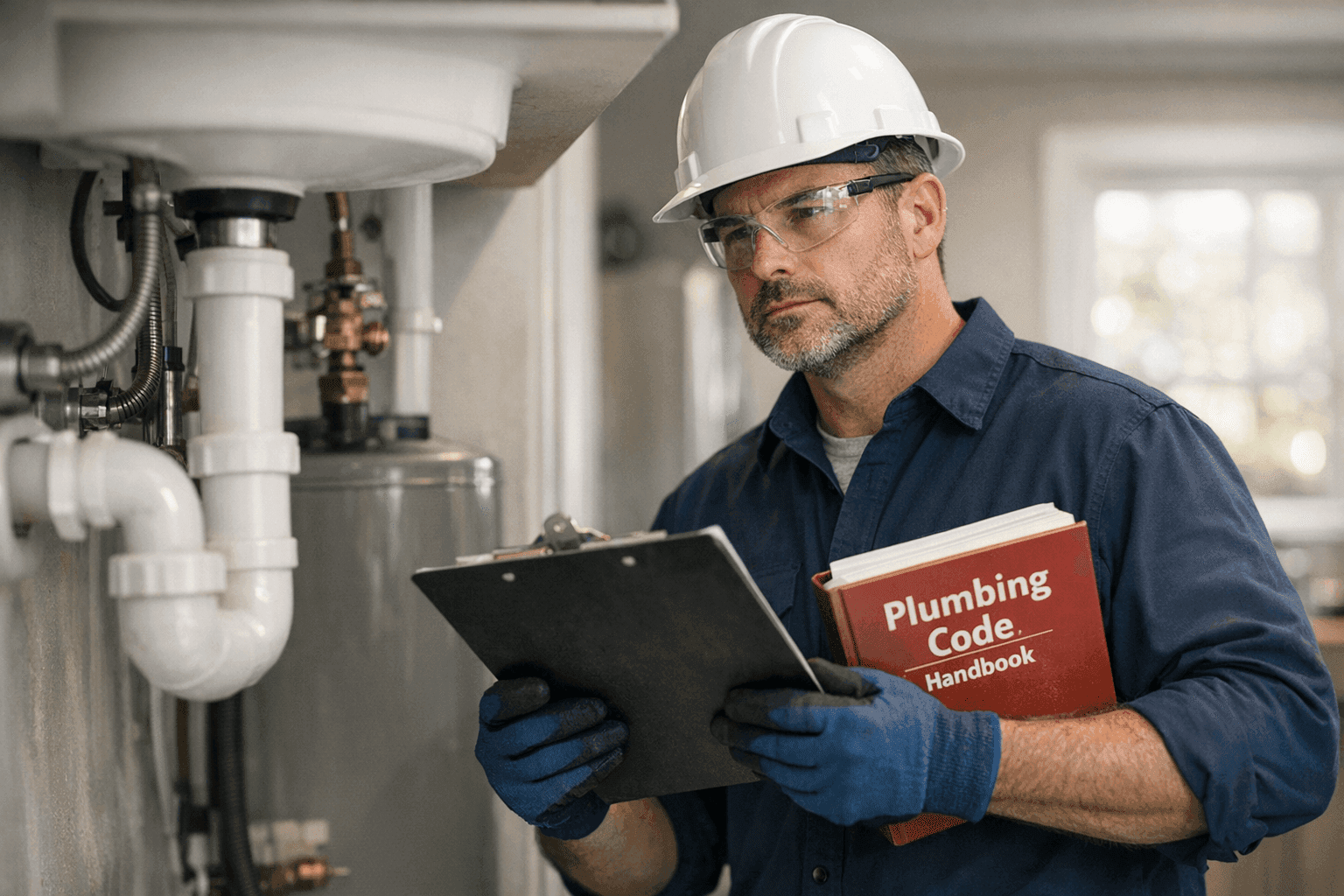
Are you planning a bathroom remodel or just fixing a leaky faucet? Maybe you’re thinking about installing a new garbage disposal. Whatever the project, plumbing code compliance is a topic every homeowner needs to understand—because when things go wrong, the consequences can be more than just a puddle on the floor.
At Julius La Rosa Plumbing, we’ve seen small oversights turn into expensive repairs. Staying up to code isn’t just about ticking boxes. It’s about keeping your family safe, your water clean, and your property protected from hidden risks.
Why Plumbing Codes Matter
Think of plumbing codes as the rulebook for your home’s arteries and veins. These standards are written to make sure water flows safely, sewage leaves properly, and dangerous gases don’t sneak inside. They’re not optional—they’re law.
- Codes protect your health by guarding against contamination.
- They keep your home’s structure sound by preventing leaks and water damage.
- Codes also help make sure your plumbing work passes inspection when it’s time to sell.
The International Association of Plumbing and Mechanical Officials (IAPMO) and the Uniform Plumbing Code (UPC) are among the most referenced authorities in the U.S. Cities and states may add extra rules, but the basics remain the same everywhere.
Permits: The Permission Slip for Your Plumbing
Before you break out the wrench or hire help, check if you need a permit. Installing a water heater? Adding a bathroom? Even replacing a garbage disposal can require one, depending on local laws.
Permits exist for a reason:
- They ensure the work is done right.
- They give you a paper trail for future buyers or insurance claims.
- Skipping a permit can mean fines or being forced to tear out unapproved work.
Always ask your local building department if you’re unsure.
Inspections: The Final Checkpoint
Once the work is done, an inspector will make sure everything meets code. This isn’t just red tape. Think of it as a safety net—an extra set of eyes trained to spot what you might miss.
Inspections look for:
- Correct pipe sizes and materials
- Proper venting
- Safe water heater installation
- Secure gas line connections
If the inspector finds a problem, you’ll get a chance to fix it. Passing inspection means you can rest easy.
Common Plumbing Code Violations (And Their Risks) 🚩
What happens when someone cuts corners? Here are a few violations we see all too often:
- Improper slope on drainpipes (leading to slow clogs and backups)
- Missing or improperly installed traps (allowing sewer gases into living spaces)
- Unapproved materials (like flexible hoses where rigid pipe is required)
- No backflow prevention (risking contamination of your drinking water)
- Illegally installed garbage disposals (can overload circuits or leak)
These aren’t just technicalities. They can threaten your health, void insurance, and lead to costly do-overs.
Real-World Scenario: When DIY Goes Wrong
Imagine installing a new sink, skipping a permit, and connecting the drain with the wrong type of pipe. At first, it seems fine. But months later, you notice a musty smell—mold is growing behind the cabinet from a slow leak. Now you’re facing water damage, repair bills, and a failed home inspection if you ever try to sell. That’s the domino effect of ignoring code.
Quick Homeowner Code-Check List
Not sure if your project might break the rules? Run through this list:
- Am I moving or adding water pipes?
- Will I be connecting to the sewer or main water line?
- Is a gas appliance involved?
- Am I installing a new fixture (like a garbage disposal)?
- Am I changing anything behind walls or under floors?
If you answered “yes” to any of these, check the rules or call a licensed plumber.
The Role of Licensed Plumbers in Code Compliance
Hiring a licensed plumber is like trusting a pilot to fly the plane. They know the codes inside and out. They pull the right permits, use approved materials, and schedule inspections. Unlicensed work often leads to headaches and hidden hazards.
A licensed pro will:
- Advise what requires permits and inspections
- Use materials that pass code
- Ensure proper venting, traps, and safety devices
- Handle paperwork and coordinate with inspectors
When you hire Julius La Rosa Plumbing, you’re getting peace of mind that your project is safe and legal.
DIY vs. Hiring a Pro: Where the Line Is Drawn
Some small plumbing jobs—like changing a faucet washer or unclogging a trap—might be fair game for handy homeowners. But when it comes to anything involving pipes inside walls, gas lines, or major fixture installations, it’s time to call in the pros.
Why?
- Hidden mistakes can stay invisible until it’s too late.
- DIY work may void insurance or violate local ordinances.
- Incorrectly installed garbage disposals can trip breakers or leak.
If you’re ever unsure, start with a consultation. It’s better to ask than to guess.
Costs and Time: What to Expect
Permits and inspections do add some time and cost. But skipping them can be much more expensive in the long run. Here’s a rough idea:
- Permits typically range from $50–$300, depending on the project.
- Inspections are usually included in the permit fee.
- Most permits and inspections are scheduled within a week.
Factor these steps into your timeline. Rushing can mean red tape later.
How to Ensure Your Project Stays Up to Code
Follow these practical steps:
- Research Local Codes: Every city is a little different.
- Pull the Right Permits: Don’t let paperwork slip through the cracks.
- Use Approved Materials: Stick to pipes, fittings, and fixtures that meet local standards.
- Hire Licensed Plumbers: They know the “gotchas” and shortcuts that can trip up a project.
- Schedule Inspections: Don’t skip the final check.
The International Code Council (ICC) and your city’s building department are reliable references.
Seasonal Plumbing Code Considerations
Cold winters? Spring floods? Seasonal changes can push your plumbing to the edge. For example, sump pump installation must follow rules to prevent basement flooding and contamination during heavy rains. Frozen pipes that burst may reveal hidden code violations. Regular maintenance checks in spring and fall can catch small issues before they become emergencies.
If you’re in an area like South Bend’s neighborhoods, local rules and weather can impact both what’s required and how soon you need service.
Plumbing Emergencies and Code Violations
Burst pipe at midnight? Overflowing toilet on a holiday? Emergencies don’t wait for business hours—and neither do inspectors if the damage spreads. Unpermitted work can delay repairs, especially if insurance asks for proof of code compliance. Always keep records of permitted work; you’ll thank yourself later.
Signs You May Have a Code Problem
Watch for these telltale signs:
- Unusual sewer smells indoors
- Slow drains throughout the house
- Water stains around fixtures or walls
- Gurgling noises from pipes
- Inconsistent water pressure
These can hint at deeper code issues hiding out of sight.
Timeline & Disruption: What to Expect During Code-Compliant Work
Worried about how long it takes or if you’ll be without water? Here are the basics:
- Simple repairs (like garbage disposal repair near you) usually finish the same day.
- Larger projects—repiping, bathroom remodels—may take several days with inspections between steps.
- Inspections may require someone home to let the inspector in.
- Good plumbers keep disruption to a minimum.
Preparing for a Plumbing Inspection
Make inspections easier by:
- Clearing access to work areas (under sinks, around water heaters)
- Having all paperwork handy
- Fixing visible issues ahead of time (like leaks or loose fittings)
- Asking your plumber to walk through the work with you before inspection day
Being prepared speeds up approval and avoids last-minute surprises.
Preventative Maintenance: Staying Ahead of the Curve
Annual checkups can spot brewing problems before they become code violations. Have your plumber inspect for leaks, loose fittings, and outdated materials. Preventative maintenance is like a flu shot for your plumbing—keeping the system healthy and up to code.
Final Thoughts: Code Compliance Is Peace of Mind
Plumbing code isn’t just a set of rules—it’s your home’s invisible shield against disaster. Whether you’re planning a kitchen update, considering garbage disposal repair near you, or facing an emergency, sticking to code means fewer headaches and a safer space for your family.
Call Julius La Rosa Plumbing now — or reach us anytime at 855-598-5280 .