Plumbing Checklist for New Homeowners
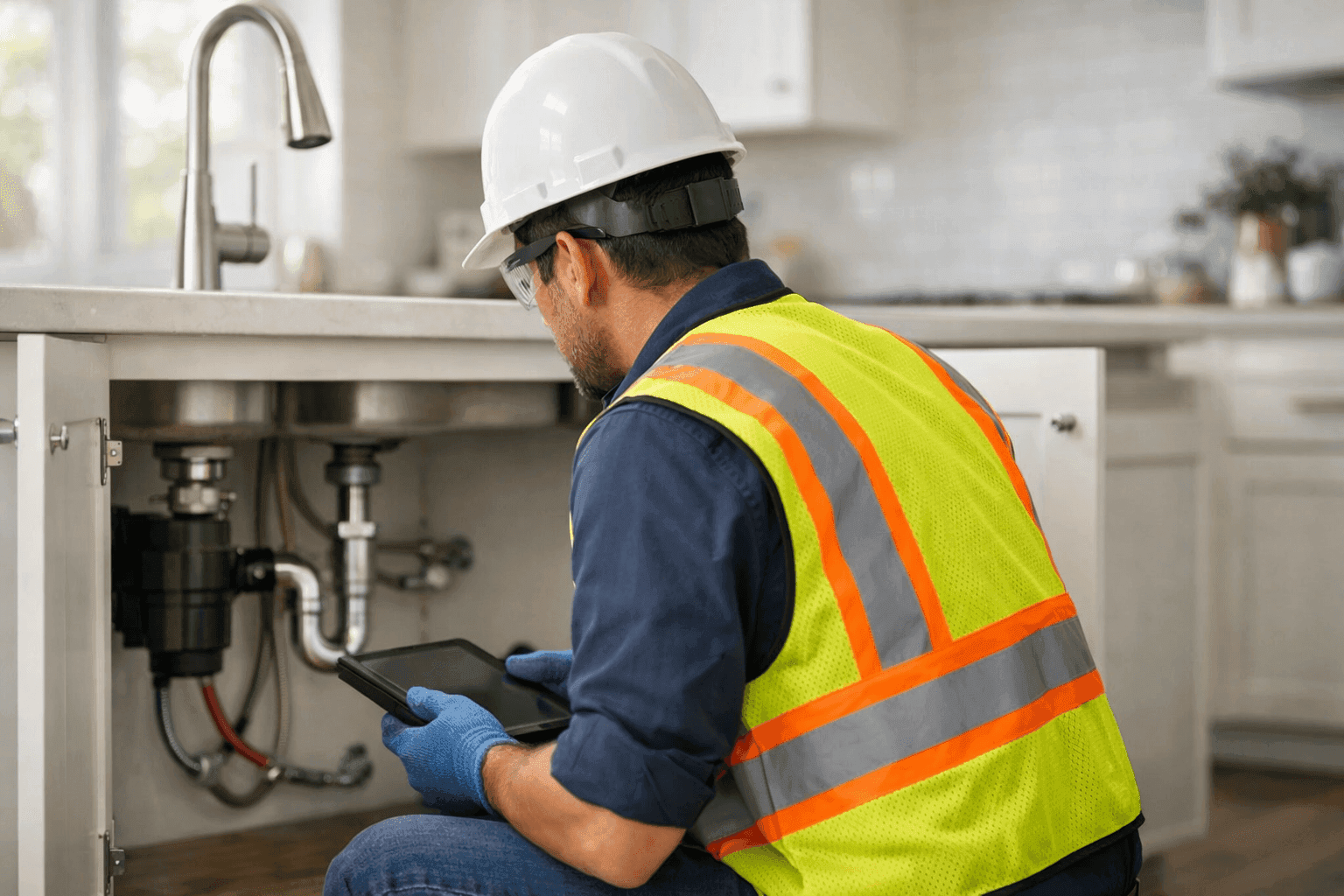
Moving into a new home is exciting—there’s so much possibility in those freshly painted walls and unfamiliar corners. But even the sturdiest house can hide plumbing problems that, if left unchecked, might drain your wallet or disrupt your comfort before you can even unpack.
At Julius La Rosa Plumbing, we know that new homeowners face a steep learning curve. Pipes, drains, and fixtures aren’t always top of mind until something goes wrong. A smart plumbing checklist can save you headaches and help protect your investment from day one.
Why a Plumbing Checklist Matters 🛠️
Think of your home’s plumbing like the veins in your body—always working, often unnoticed, but absolutely essential. Without proactive attention, small leaks can grow, clogs can back up, and suddenly that dream home feels less welcoming.
A checklist gives you a roadmap. It helps you spot trouble early, avoid costly repairs, and make sure your water is safe to drink and use. Plus, by following guidelines from resources like the International Plumbing Code (IPC) and the EPA’s water safety tips, you’ll be living up to modern safety and efficiency standards.
Immediate Plumbing Checks on Move-In
Before you roll out a rug or hang your first picture, walk through your new home with a keen eye—and maybe a flashlight. Here’s what to watch for:
- Main Water Shut-Off Valve: Locate it. Test it. If it’s stuck, have it serviced. In an emergency, this is your lifeline.
- Leaks: Check under sinks, behind toilets, and around your water heater. Damp spots or moldy smells are red flags.
- Toilet Function: Flush every toilet. Watch for slow drains, weak flushes, or running water.
- Water Pressure: Turn on taps in each room. Low pressure? It could mean hidden leaks or clogged pipes.
- Hot Water: Run the shower and kitchen tap. Confirm your water heater delivers steady, hot water.
- Drains: Fill and empty sinks and tubs. Slow draining hints at blockages or venting issues.
Take notes. Even if everything seems fine, jot down any quirks you notice—slow drips, odd noises, or stains.
Key Maintenance Tasks for New Owners
Now that you’ve settled in, it’s time to think long term. Preventative care is the best way to protect your home’s plumbing for years to come.
Monthly and Seasonal Tasks
- Inspect Faucets and Fixtures: Tighten loose handles. Replace worn washers. Dripping faucets waste gallons over time.
- Clean Drains: Use a hair catcher in showers. Flush drains with hot water regularly. Avoid harsh chemicals—they can damage pipes.
- Check for Leaks: Inspect exposed pipes and connections, especially after temperature swings.
- Test Sump Pump: Pour water into the pit and make sure it activates—especially before rainy seasons.
- Monitor Water Heater: Drain a few gallons from the tank twice a year to flush out sediment. Check the temperature setting (120°F is usually safe and energy-efficient per the U.S. Department of Energy).
- Look for Corrosion: Green or white buildup on copper or brass pipes signals corrosion, which can weaken pipes over time.
- Test Water Filtration: Replace filters as recommended by the manufacturer, or more often if you notice changes in taste or smell.
For a deeper dive into keeping your home’s pipes healthy, explore our preventative maintenance guide.
Common Plumbing Problems—And What They Mean
Even with the best care, problems can crop up. Here are a few you might encounter:
- Gurgling Drains: Often a sign of venting issues or partial blockages.
- Constantly Running Toilet: Usually a worn flapper or fill valve, but sometimes it’s a symptom of a bigger problem.
- Low Water Pressure: Can be caused by pipe buildup, leaks, or municipal supply issues.
- Water Discoloration: Brown or rusty water may point to corroded pipes or issues with your water supply.
- Unusual Odors: Sewer smells may signal a dry trap or deeper issues in your sewer line.
Address the simple stuff right away. If you’re unsure, call a professional—quick action can prevent more damage.
What to Tackle Yourself—And What to Leave to a Pro
Some plumbing fixes are weekend projects, while others are best left to those with the right tools and training. Here’s a quick breakdown:
Safe DIY Tasks
- Unclogging minor sink or tub drains with a plunger or hand auger.
- Replacing faucet washers or showerheads.
- Tightening fittings and inspecting visible pipes.
Call in Help For:
- Sewer line inspection or repair.
- Major leaks or water stains on ceilings/walls.
- Gas line work (always requires a licensed professional).
- Water heater repair or installation.
- Persistent water pressure problems or backflow issues.
Trying to DIY complex work can sometimes cause more harm than good, especially when it comes to safety or code compliance.
Signs You Shouldn’t Ignore
If you spot any of these, don’t wait:
- Water pooling around your water heater or basement floor.
- Sewage smells, especially after rain or heavy use.
- Sudden drop in water pressure.
- Wet spots on walls, ceilings, or under sinks.
- Bubbling paint or warped flooring.
These can indicate leaks, burst pipes, or sewer problems that need immediate attention.
When to Call a Plumber
Emergencies don’t wait for business hours. If you’re facing a burst pipe, sewage backup, or have no water, it’s time to call for help. Fast action can prevent significant damage to your home and belongings.
For those living locally, it’s good to know there’s always support available—a quick look at the Roswell plumbing service area can help you connect when you need it most.
Seasonal Plumbing Tips
Each season brings its own plumbing challenges:
- Winter: Insulate exposed pipes to prevent freezing. Disconnect hoses from outdoor faucets.
- Spring: Check for leaks caused by ice or shifting soil. Test your sump pump before heavy rains.
- Summer: Watch for overworked garbage disposals and increased water use.
- Fall: Clear gutters and downspouts. Inspect outdoor faucets and shut them off before the first freeze.
Adjust your checklist as the year rolls by. It’s a simple way to avoid surprise repairs.
Understanding Your Home’s Plumbing System
Take time to learn where your pipes run, the age of your fixtures, and the materials used in your plumbing. Older homes often have galvanized pipes that may need replacement. Recent builds might use PEX or copper.
If you’re unsure, a licensed plumber can map out your system and point out any areas of concern.
Budgeting for Plumbing Upkeep
Set aside a little each year for plumbing maintenance. Regular checkups and small repairs are far more affordable than fixing big leaks or replacing pipes after a disaster.
The National Association of Home Builders recommends annual inspections—especially for homes over 20 years old.
How Long Will Repairs Take?
Most simple fixes—like unclogging a drain or tightening a faucet—are done in under an hour. More extensive work, like repiping or sewer line repair, takes longer and may require permits (per local building codes).
Always ask your plumber for a time estimate, and factor in cleanup and drying time for leaks.
Materials & Equipment to Keep on Hand
Stock your utility closet with a few basics:
- Plunger (cup and flange style)
- Adjustable wrench
- Pipe tape (Teflon)
- Bucket and towels
- Flashlight
These tools can help you manage minor issues until help arrives.
Avoiding Common Homeowner Mistakes
- Don’t pour grease down the drain—use a sealable container and toss it in the trash.
- Never ignore a slow drain; it rarely gets better on its own.
- Avoid using chemical drain cleaners that can corrode pipes.
- Know the difference between emergency plumbing needs and routine maintenance.
FAQs for New Homeowners
How do I know if my home has a plumbing issue?
Look for wet spots, mold, slow drains, or higher-than-normal water bills.
What’s considered a plumbing emergency?
Burst pipes, sewage backups, gas leaks, or complete loss of water.
How often should plumbing be inspected?
Annually, or immediately after moving in, per the National Association of Home Inspectors.
Do I need a permit for plumbing repairs?
Major work (like repiping or gas line installation) often requires a permit. Check your city’s requirements or ask your plumber.
The Value of Preventative Maintenance
Catching small issues before they snowball is the smart way to protect both your home and your wallet. Regular care keeps your plumbing running smoothly and extends the life of your pipes and fixtures.
Our team at Julius La Rosa Plumbing is always here to help you build confidence in your new home. If you’re ready to create a custom care plan or need help with maintenance, start with our preventative maintenance service designed for homeowners like you.
Call Julius La Rosa Plumbing now — or reach us anytime at 855-598-5280 .