Pipe Repair 101: When to Patch, When to Replace
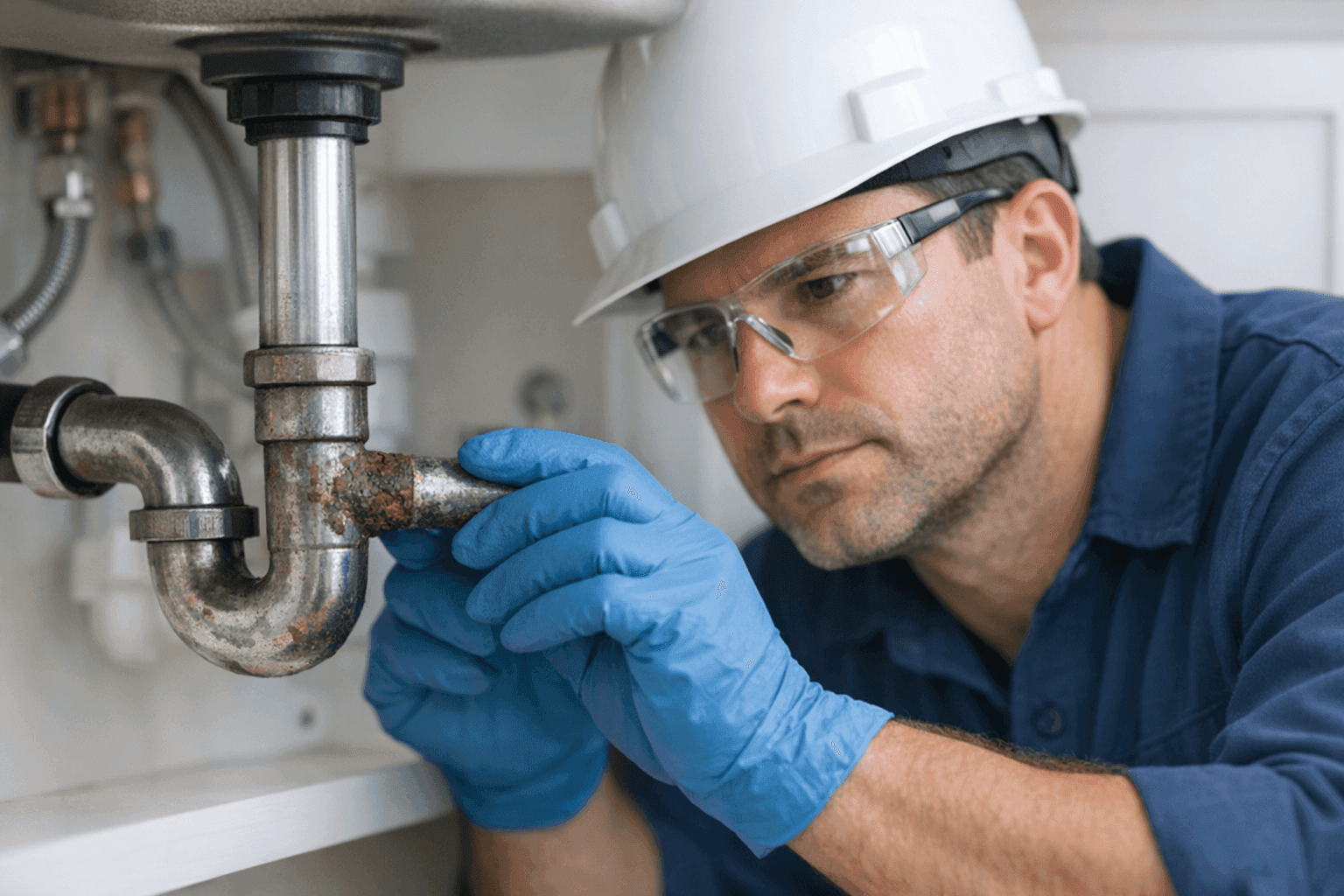
Plumbing problems always seem to show up at the worst times. A sudden leak under the sink. A mysterious wet spot on the ceiling. It’s stressful, and you want answers fast—plus the confidence that your solution will last.
At Julius La Rosa Plumbing, we know every pipe tells a story. Older homes, new builds, copper, or PVC—every material and every era brings its own challenges. Let’s walk through when it makes sense to patch a pipe, and when it’s smarter (and safer) to replace it altogether.
Common Pipe Problems in Homes
Pipes are like the veins of your house. When they’re healthy, you barely think about them. But leaks, corrosion, and blockages can create a ripple effect that’s hard to ignore.
Most common pipe issues include:
- Leaks: Drips under the sink, puddles near the water heater, or water stains on walls and ceilings.
- Corrosion: Green or white crust on copper pipes, rusty spots on steel, or brittle, discolored PVC.
- Clogs: Water draining slowly or backing up, especially in kitchens and bathrooms.
- Burst pipes: Sudden gushes, often triggered by freezing, age, or high pressure.
- Strange noises: Banging, whistling, or gurgling sounds in your walls.
Even small leaks can waste hundreds of gallons every year (EPA). Ignoring these signs can mean bigger headaches—mold, water damage, and sky-high bills.
Quick Safety Checklist Before You Start 🛑
Before you reach for a wrench, take a deep breath. Safety and a calm approach matter.
- Turn off the water: Know where your main shutoff is and use it.
- Check for electricity: Water and wires don’t mix. If there’s a chance of electrical contact, cut power to the area.
- Ventilate: If you smell gas or chemicals, leave the area and call for help.
- Wear gloves: Even clear water can hide sharp metal edges or bacteria.
And remember—some fixes are best left to a licensed plumber, especially if you're dealing with gas lines or backflow prevention.
Temporary vs. Permanent Fixes
Some pipe problems can be patched. Others keep coming back like a leaky faucet that never quite stops dripping.
Temporary fixes might include:
- Epoxy putty for pinhole leaks
- Pipe clamps or rubber patches
- Hose clamps on flexible lines
These are band-aids—not cures. They’ll buy you time, but they’re not meant to last.
Permanent solutions:
- Cutting out the damaged section and installing new pipe
- Replacing sections with corrosion-resistant materials
- Upgrading old, failing pipes with modern alternatives
If you find yourself fixing the same spot twice, it’s time to think bigger.
When to Replace Pipes Instead of Patching
Sometimes, patching is like putting duct tape on a cracked dam. Sure, it might hold for a day, but you’re risking a much bigger mess.
Consider replacement when:
- The same pipe leaks more than once
- Pipes are corroded, brittle, or flaking
- There’s visible mold, water damage, or stains
- Pipes are made from outdated or unsafe materials (like galvanized steel or lead)
- You’re planning a renovation or already opening walls
Copper and PVC both have long lifespans, but nothing lasts forever. If you see green corrosion on copper or cracks in PVC, it’s time to talk about repiping your home.
Signs of Trouble: How to Spot Issues Early
Don’t wait for a full-on flood. Look for these red flags:
- Water pressure suddenly drops
- Rusty, cloudy, or odd-smelling water
- Peeling paint or bubbling on walls near pipes
- Floors that feel spongy or warped
- Unexplained puddles or standing water
These symptoms are your house trying to tell you something. Listen early, fix small—avoid fixing big.
The Risks of DIY Pipe Repairs
It’s tempting to grab a wrench and tackle plumbing yourself. Sometimes, that’s okay for minor clogs or changing a faucet washer.
But with pipes, the stakes are higher:
- Hidden leaks: A small drip behind a wall can create mold before you ever see it.
- Code violations: Plumbing codes exist for a reason—health and safety. DIY fixes may not meet local requirements.
- Insurance troubles: Improper repairs can void your policy if water damage occurs.
- Safety hazards: Gas and water lines can be dangerous if not handled correctly.
There’s real peace of mind in knowing the job was done right by a licensed professional.
What Professionals Do When They Arrive
A plumber’s first task is always diagnosis. Here’s what you can expect:
- Visual inspection: Checking exposed pipes, joints, and fittings for visible problems.
- Leak detection: Using moisture meters, infrared cameras, or acoustic devices to find hidden issues.
- Material evaluation: Identifying pipe types (copper, PVC, PEX, or steel) and checking for corrosion or wear.
- Pressure testing: Ensuring water pressure is safe and even throughout your home.
Once the problem is clear, we’ll walk you through options—patch, partial replacement, or a full upgrade.
Pipe Materials Matter: Copper, PVC, and More
Every material has its story, and its weaknesses.
- Copper: Durable, resists bacteria, but can corrode over time—especially if water is acidic.
- PVC: Affordable, lightweight, and rust-proof. UV light and extreme heat can weaken it.
- Galvanized steel: Common in older homes, but rusts from the inside out. Often needs replacement.
- PEX: Flexible, freeze-resistant, and popular for modern repiping.
If you live in an older home with original plumbing, ask about the age and material of your pipes. Proactive upgrades save time and money in the long run.
Pipe Repair and Replacement in Older Homes
Older homes are charming, but their pipes often hide secrets. Galvanized steel and even lead pipes were common decades ago, and both can spell trouble today.
- Lead pipes: Unsafe for drinking water—must be replaced.
- Galvanized steel: Prone to rust and clogs, especially after 40+ years.
- Mix of materials: Sometimes, you’ll find Frankenstein systems with multiple types patched together.
If your home is a classic, consider a whole-home pipe repair project to bring everything up to today’s standards.
Code Compliance and Safety: Why They Matter
It’s not just about leaks. Plumbing codes are there to keep your water clean and your home safe. The Uniform Plumbing Code (UPC) and local regulations set standards for things like:
- Pipe materials and sizes
- Proper venting and drainage
- Backflow prevention
- Safe installation of fixtures
Staying up to code isn’t optional—it’s key to protecting your family and your investment.
When It’s a Plumbing Emergency 🚨
Some pipe problems can’t wait.
- Sudden loss of water pressure throughout the house
- Water pouring from ceilings or walls
- Gas smells near pipes or appliances
- Sewage backing up into sinks or tubs
In these moments, seconds count. Turn off your main water valve and call a professional immediately. If you’re in the area and need fast help, our DC plumbing team is available here.
Costs, Time, and Disruption: What to Expect
Pipe repair and replacement projects can range from a quick fix to a major overhaul.
- Small patch or single leak: 1–2 hours, minimal disruption.
- Replacing a section of pipe: 1/2 day to full day, especially if walls or floors are involved.
- Whole-house repiping: Several days, with some rooms temporarily out of service.
Investing in quality repairs now can save you thousands on water damage and emergencies down the road.
Preventative Maintenance for Healthy Pipes
A stitch in time saves nine. Regular maintenance helps spot problems before they become disasters.
- Schedule annual inspections, especially for older homes
- Watch for changes in water pressure or color
- Insulate pipes before winter to prevent freezing
- Only flush what’s meant to be flushed (no wipes, grease, or cotton balls)
- Consider water softeners or filtration for hard or corrosive water
Simple habits keep your plumbing running smoothly.
Common Mistakes to Avoid
Pipe repairs can go sideways fast. Here’s what to steer clear of:
- Over-tightening fittings (which can crack pipes)
- Using the wrong materials for the job
- Ignoring that “just a drip”—small leaks grow quickly
- Skipping permits or proper inspections
- Covering up pipes before checking for leaks
When in doubt, ask questions. It’s your home—protect it.
Seasonal Considerations: Protecting Pipes Year-Round 🌦️
Winter brings frozen pipe risks. Summer can mean higher water use and hidden leaks.
- Before winter: Insulate exposed pipes in basements, crawl spaces, and exterior walls.
- During summer: Check for increased water bills or unexplained dampness—hidden leaks love warm weather.
- Storm season: Make sure sump pumps and backflow devices are working.
A little prep goes a long way to avoid surprise emergencies.
FAQ: Pipe Repair and Replacement
How long does a pipe patch last?
Temporary fixes may last days to months, but permanent repairs are always best for leaks.
Can I patch a pipe myself?
Minor clogs or visible leaks can sometimes be managed with off-the-shelf products, but for anything inside walls—or involving gas—call a pro.
Is it worth repiping my whole house?
If your pipes are over 50 years old, or you’re dealing with frequent issues, repiping is an investment in safety and peace of mind.
What’s the best material for replacement?
Copper and PEX are both excellent choices, depending on your home’s needs, budget, and local code requirements.
How do I prepare for a plumber’s visit?
Clear the area, know where your shutoff valves are, and have details about your home’s plumbing history ready.
Ready to Fix That Leak or Plan a Pipe Upgrade?
Your home deserves safe, reliable plumbing—whether it’s a quick patch or a full replacement. Julius La Rosa Plumbing is here to help, with solutions tailored to your needs and budget.
Call Julius La Rosa Plumbing now — or reach us anytime at 855-598-5280 .