Pipe Repair vs. Repiping: Which Is Right for You?
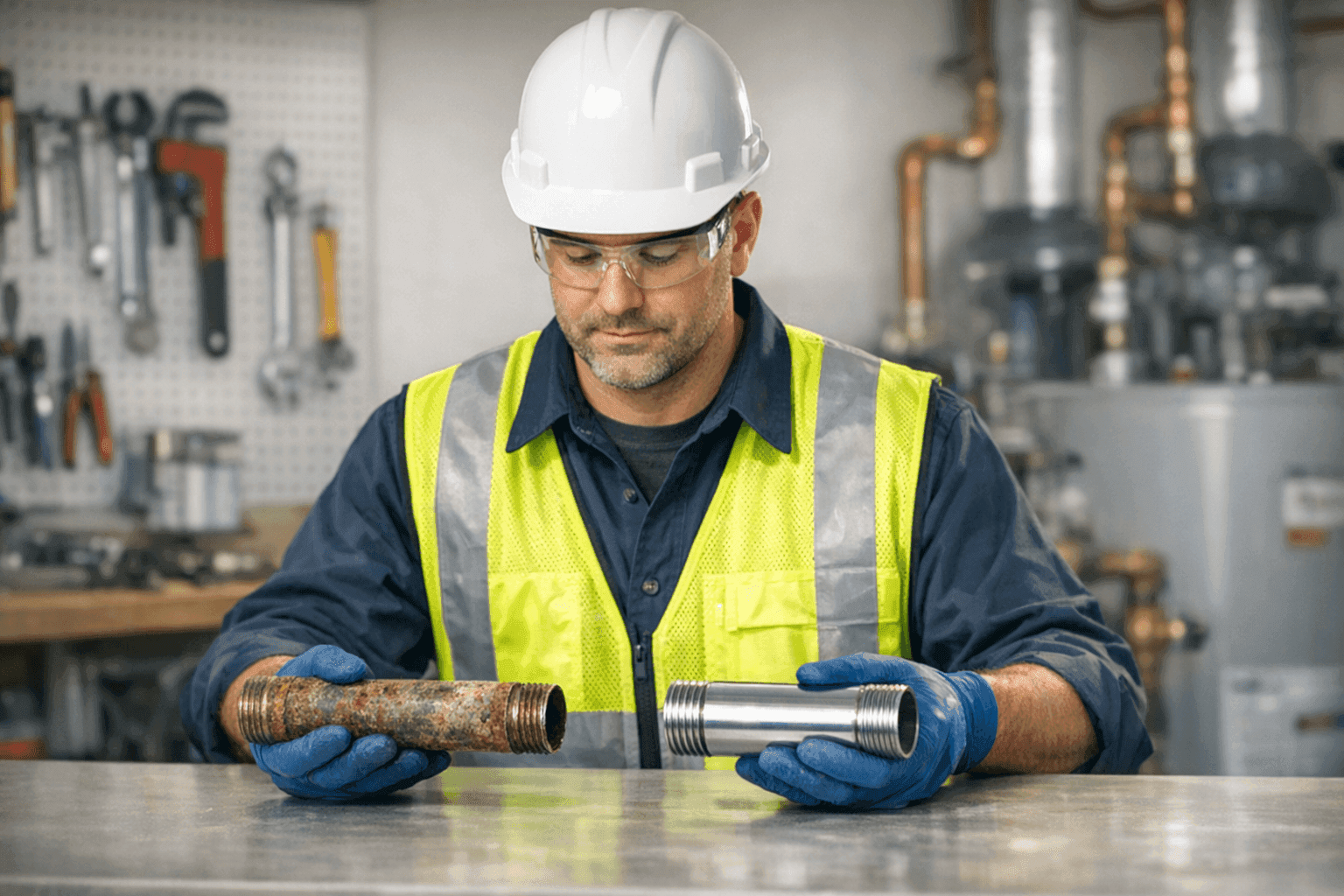
Is your plumbing acting up, but you’re not sure if you need a simple patch or a full overhaul? You’re not alone. Whether your pipes are leaking, clogged, or just plain old, the question of pipe repair versus repiping can be confusing—and costly if you choose wrong.
At Julius La Rosa Plumbing, we know every pipe tells a story. Sometimes it’s a quick fix; other times, your plumbing is whispering that it’s time for a change. Let’s break down what you need to know so you can make the right choice for your home, your family, and your peace of mind.
Pipe Repair vs. Repiping Explained
Think of pipe repair as patching a hole in your favorite pair of jeans. The jeans are still good, but there’s one spot that needs some attention. Repiping, on the other hand, is like replacing those jeans with a brand-new pair when they’re worn out all over.
Pipe Repair:
- Fixes specific trouble spots.
- Limited to leaks, cracks, or minor corrosion.
- Quicker and less disruptive.
Repiping:
- Replaces all or major sections of piping.
- Needed when pipes are old, failing, or made from outdated materials.
- A bigger project, but often a long-term solution.
When Is Each Option Best? 🛠️
Knowing when to repair and when to repipe can save you money, stress, and future headaches.
Choose Pipe Repair When:
- You have isolated leaks or cracks.
- Your pipes are relatively new (less than 20–30 years, depending on material).
- The problem is limited to one small area.
- There’s no history of frequent plumbing issues.
Check out our pipe repair services if this sounds like your situation.
Repiping Makes Sense When:
- Pipes are corroded throughout the house.
- You have frequent leaks, low water pressure, or rusty water.
- Plumbing is made from outdated materials (like galvanized steel or polybutylene).
- Repairs are getting more frequent and expensive.
If this sounds familiar, learn more about repiping solutions and what’s involved.
Cost, Disruption, and Lifespan Factors
Cost:
- Pipe Repair: Usually less expensive up front.
- Repiping: Higher initial cost, but may save money in the long run by preventing ongoing repairs.
Disruption:
- Repairs: Often done in a few hours.
- Repiping: Can take several days, especially if walls or floors must be accessed.
Lifespan:
- A well-done repair can last years, but only fixes one spot.
- Repiping gives your home new plumbing with decades of reliable service.
Materials Matter
Copper, PEX, and CPVC each have different prices and life expectancies. Ask your plumber what’s best for your home, especially if your water has high mineral content.
Signs You Need More Than a Quick Fix
Here’s what to watch for:
- Discolored or rusty water.
- Persistent leaks, even after repairs.
- Water pressure that drops suddenly or is always low.
- Multiple leaks in different places.
- Strange noises—banging, rattling, or humming—from pipes.
If you notice several of these, your piping might be at the end of its rope.
DIY vs. Calling a Professional
Small leaks might tempt a handy homeowner, but hidden plumbing problems can get out of hand fast. A quick patch may mask bigger issues lurking behind the walls. Local code requirements (such as those from the International Plumbing Code) often require professional work, especially for repiping jobs.
What Pros Do On Arrival
When a plumber from Julius La Rosa Plumbing arrives, here’s what typically happens:
- Inspect visible pipes and check for signs of damage.
- Use tools like moisture meters or inspection cameras for hidden problems.
- Assess water pressure and flow.
- Advise on repair vs. replacement based on findings.
For severe or recurring issues, you may get recommendations for a more thorough inspection or water quality testing.
Quick Safety Checklist for Homeowners
Before any plumbing work:
- Shut off your main water supply if you suspect a major leak.
- Avoid using electrical appliances near water-damaged areas.
- Don’t attempt repairs on gas lines—this requires licensed professionals.
- Make sure family and pets stay clear of the work area.
If you ever smell gas or suspect a gas leak, leave the house immediately and call emergency services.
Common Mistakes Homeowners Make
- Ignoring small leaks—these can cause hidden mold and structural damage.
- Using “quick fix” sealants or tapes as a permanent solution.
- Assuming old pipes are fine if there’s no obvious leak.
- Mixing incompatible piping materials, which can accelerate corrosion.
Seasonal Considerations 🌡️
Winter’s freeze-thaw cycles can stress old pipes, leading to bursts. Summer brings higher water usage, exposing weaknesses in aging lines. If you’re in a region with cold winters, consider insulating pipes or scheduling preventative maintenance before the season changes.
Timeline & Disruption: What to Expect
- Pipe repairs are usually completed in one visit, often within a few hours.
- Repiping can take multiple days, especially if walls or floors need to be opened. You may need to plan for a short water shutoff.
- Clean-up and patching may add extra time, especially if drywall is involved.
Frequently Asked Questions
Will my water be shut off during repairs?
For small fixes, only for a few hours. Repiping may require longer shutoffs, but plumbers will advise you in advance.
Is repiping safe for old homes?
Absolutely, and often necessary. Modern materials meet today’s safety standards and can improve water quality.
Can I stay home during repiping?
Usually yes, but parts of your water system may be off-limits temporarily.
How do I know if pipes need replacing?
Age, material, and a history of leaks are the biggest clues. An inspection will give you a clear answer.
Getting a Professional Assessment
A professional assessment isn’t just about fixing today’s problem—it’s about protecting your home for years to come. Reputable plumbers don’t just look at leaks; they look for patterns, test water pressure, and help you weigh the cost of patching against the benefit of starting fresh.
If you’re in Olathe and need an honest look at your pipes, there’s local support available—our Olathe plumbing page has more info about what to expect from service in your area.
Prevention & Maintenance Tips 🧰
- Have your plumbing inspected every few years, especially in homes over 30 years old.
- Watch for early warning signs like water stains or musty smells.
- Don’t ignore slow drains—they can signal bigger problems.
- Schedule yearly maintenance for sump pumps and water heaters, as these can impact pipe health.
- Install water filtration if your area has hard or mineral-rich water.
When It’s an Emergency
Major leaks, sudden water loss, or visible water damage demand immediate attention. Fast action can save thousands in repairs and prevent mold. Always know where your main water shutoff is—it’s your home’s “panic button” in a plumbing crisis.
If you’re unsure, don’t hesitate to call for help.
Final Thoughts: Clarity is Key
Pipe repair and repiping are both important tools in the plumbing toolbox. The right choice depends on your home, your budget, and your long-term plans. What matters most is getting clear, honest advice before you act.
For a no-pressure conversation about your options, reach out to Julius La Rosa Plumbing. Our team can guide you through the decision, step by step.
Call Julius La Rosa Plumbing now — or reach us anytime at 855-598-5280 .