Pipe Installation: What Homeowners Need to Know
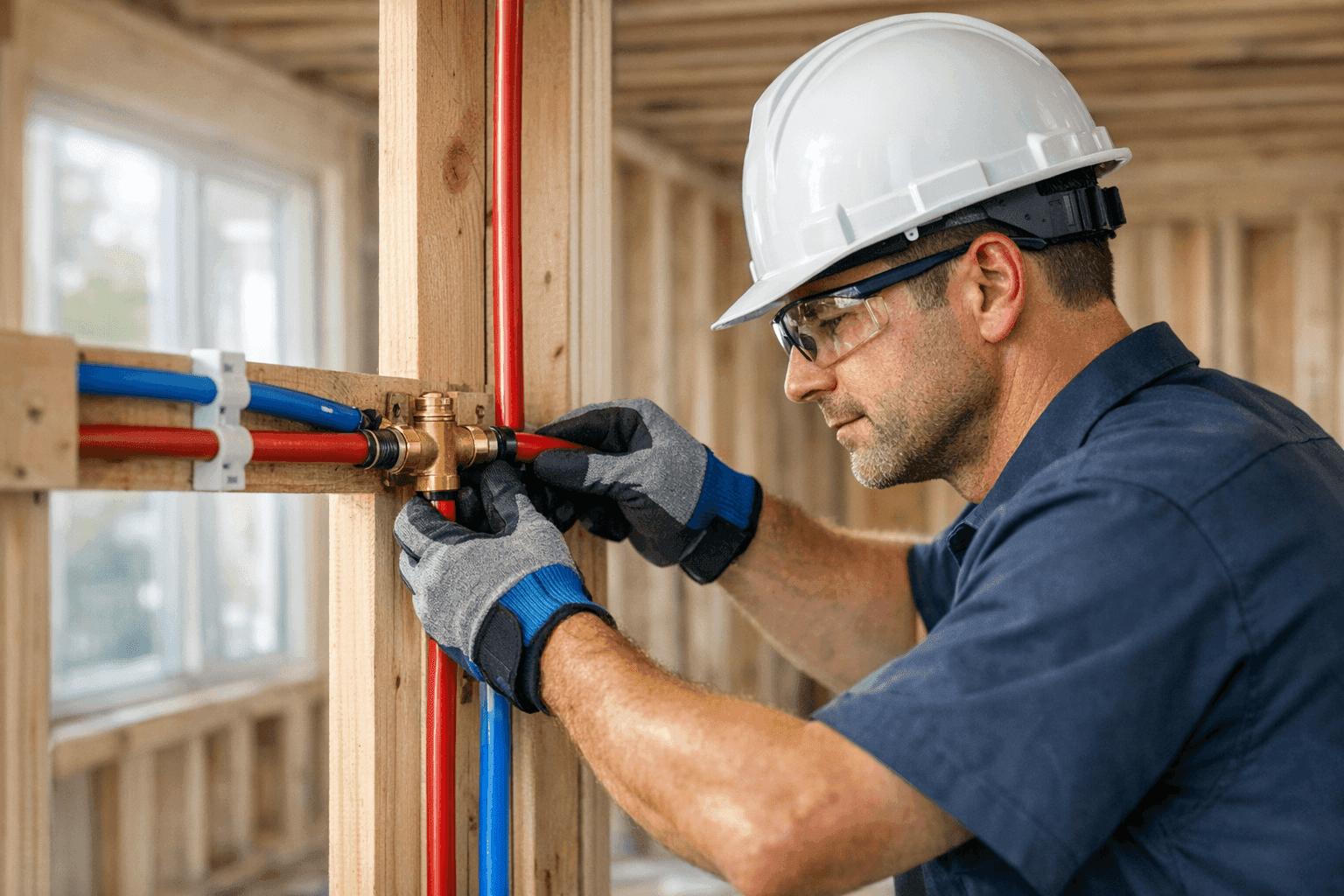
Homeowners rarely think about the pipes behind their walls—until something goes wrong. A leaky pipe, rusty water, or a remodeling project can quickly turn your attention to the arteries of your home: the plumbing.
Pipe installation isn’t just about connecting tubes. It’s about keeping your home safe, efficient, and comfortable. Whether you’re updating an old system or tackling a new build, understanding the basics can help you make better decisions and avoid headaches down the road.
When Should You Install New Pipes? 🚰
Life happens. Pipes age, freeze, or get damaged. But how do you know when it’s time for new ones? Here are some of the most common scenarios:
- Major renovations: Remodeling a kitchen or bathroom? New pipes might be needed to meet modern codes or layouts.
- Persistent leaks: If you’re patching leaks more than once a year, it could be a sign of widespread corrosion.
- Low water pressure: Old, clogged pipes can choke water flow.
- Water discoloration: Brown or yellow water often means rust inside your pipes.
- Frequent clogs or backups: This can point to failing drain lines.
If you recognize any of these, it’s time to consider pipe installation services to protect your home and investment.
Choosing the Right Pipe Materials
Not all pipes are created equal. Your choice depends on budget, water quality, climate, and the job at hand. Here’s a quick look:
- Copper: Durable, resists corrosion, and lasts decades.
- PEX (cross-linked polyethylene): Flexible, easy to install, and great for tight spaces.
- CPVC (chlorinated polyvinyl chloride): Good for hot and cold water, but more brittle.
- PVC: Common for drain and vent lines, not for hot water.
- Galvanized steel: Once standard, now outdated due to rust issues.
Think of pipe materials like shoes. You wouldn’t wear sandals in winter, and you wouldn’t use the wrong pipe for your home’s needs. A professional plumber can help you match the right material to your project, considering both performance and local plumbing codes.
The Pipe Installation Process: What to Expect
Installing new pipes is a bit like open-heart surgery for your home. Here’s how the process usually unfolds:
- Assessment: The plumber inspects your system, maps out pipe routes, and checks for code compliance.
- Shutoff: Water and gas lines are safely turned off.
- Access: Walls, floors, or ceilings may be opened to reach old pipes.
- Removal: Damaged or outdated pipes are carefully taken out.
- Installation: New pipes are measured, cut, and fitted in place.
- Pressure testing: The system is checked for leaks and proper flow.
- Restoration: Walls and floors are repaired, and the area is cleaned up.
Every home is unique. Some jobs are quick, while others—especially whole-house repiping—can take several days. Expect some disruption, but a good plumber will keep it as painless as possible.
Safety and Code Requirements Matter
Plumbing isn’t a “close enough” kind of job. Local and national codes (like the International Plumbing Code or Uniform Plumbing Code) set strict standards for safety, materials, and installation methods. These codes exist to prevent leaks, contamination, and even gas explosions.
A licensed plumber will:
- Pull necessary permits
- Follow code for pipe sizing and layout
- Ensure proper venting and drainage
- Protect your home from cross-contamination
Skipping these steps can lead to failed inspections, insurance headaches, or worse—unsafe drinking water.
Common Pipe Installation Scenarios
Every home has its own story. Here are the most frequent reasons homeowners call for new pipes:
- Remodeling kitchens or bathrooms
- Replacing lead or galvanized pipes
- Upgrading for better water pressure
- Fixing damage from freezing or shifting foundations
- Adding new fixtures or appliances
If your home is over 50 years old, you might benefit from repiping services to avoid future problems.
DIY vs. Professional Pipe Installation
It’s tempting to try a DIY fix. After all, hardware stores sell pipes and fittings. But pipe installation is more than just connecting parts.
DIY Risks:
- Leaks hidden behind walls
- Voided insurance due to code violations
- Improper venting or drainage
- Missed safety hazards (like gas leaks)
When to Hire a Pro:
- Whole-home repiping
- Gas line work
- Projects requiring permits
- Any job involving structural changes
Professional plumbers come armed with the right tools, experience, and knowledge of building codes. Think of them as the pilots who keep your plumbing “plane” flying safely.
Quick Safety Checklist Before Work Begins 🛠️
Before any pipes are touched, make sure:
- The main water (and gas, if needed) is shut off.
- Work areas are clear of valuables and pets.
- Your plumber confirms permit requirements.
- You understand the timeline and any disruptions.
A little prep goes a long way toward a smooth project.
How Pros Tackle Pipe Installation
When Julius La Rosa Plumbing arrives, here’s what you can expect:
- A thorough inspection of your current system
- Detailed explanation of options and materials
- Transparent pricing and timeline estimates
- Careful protection of your home’s interior
- Clean, code-compliant work
We treat your home with the same respect as our own.
Preventing Future Pipe Problems
Once your new pipes are in, keep them healthy with these tips:
- Don’t pour grease or harsh chemicals down drains.
- Insulate pipes in unheated spaces.
- Schedule regular plumbing checkups.
- Fix small leaks promptly—tiny drips can cause big headaches.
The right maintenance can add years to your plumbing system.
Pipe Installation Costs and Timelines
No two jobs are the same. Factors that affect cost and duration:
- Size of the home and number of fixtures
- Accessibility (finished vs. unfinished spaces)
- Type of pipe material chosen
- Local permit and inspection requirements
A straightforward pipe replacement for a single bathroom may take a day, while a whole-house repipe could take up to a week. Always ask your plumber for a detailed breakdown.
Signs Your Pipes Need Attention
Don’t ignore these red flags:
- Water stains or mold on walls and ceilings
- Unexplained spikes in water bills
- Rattling or banging noises in pipes
- Foul smells from drains
- Consistent drop in water pressure
Catching these signs early can save you money and stress.
Timeline and Disruption: What to Expect
Pipe installation isn’t silent or invisible. Expect:
- Some wall or floor openings
- Temporary water shutoffs
- Noise from cutting and fitting pipes
- Dust and debris (though pros clean up after themselves)
Good communication with your plumber helps minimize surprises.
Pipe Installation and Repiping: Frequently Asked Questions
How long do pipes last?
Copper and PEX can last 40–70 years. Galvanized steel often fails after 40.
Is pipe installation messy?
There’s some disruption, but pros use drop cloths and plastic sheeting to contain dust.
Do I need to leave home during the job?
Not always. For major projects, it may be more comfortable to be elsewhere for a day or two.
Are permits required?
Most pipe installation and repiping projects require permits and inspections.
When It’s an Emergency
Burst pipes or sudden leaks can’t wait. Water damage spreads fast. If you have a plumbing emergency, local support is available—many Great Falls plumbing services are ready to respond quickly when you need them most.
Preparing for Your Pipe Installation
Help your plumber work efficiently by:
- Clearing access to sinks, appliances, and utility areas
- Moving fragile items from work zones
- Asking about water shutoff times so you can plan ahead
A little preparation keeps your project moving smoothly.
Inspection and Warranty Considerations
After installation, a licensed plumber will arrange for a city inspection if required. This ensures everything meets code and provides peace of mind. Ask for documentation and keep it with your home records.
Many reputable plumbers offer warranties on labor and materials—be sure to ask what’s covered and for how long.
The Value of Licensed Professionals
Why hire a licensed plumber? They bring:
- Knowledge of current codes and best practices
- Proper tools for tricky jobs
- Insurance that protects you and your home
- The experience to spot problems before they start
Cutting corners with unlicensed work can cost you more in the long run.
Seasonal Considerations for Pipe Installation ❄️
Winter can be tough on pipes—freezing temperatures increase the risk of bursts. Summer remodels often mean easier scheduling and less disruption. Plan ahead, especially if your project involves shutting off water during cold snaps.
Final Thoughts: Plan Your Pipe Project with Confidence
Pipe installation doesn’t have to be a mystery. With the right information and a qualified team, you can upgrade your home’s plumbing with confidence. Whether you’re facing leaks, planning a remodel, or just want better water flow, Julius La Rosa Plumbing is ready to help.
Call Julius La Rosa Plumbing now — or reach us anytime at 855-598-5280 .