Leak Repair: How to Stop Water Damage in Its Tracks
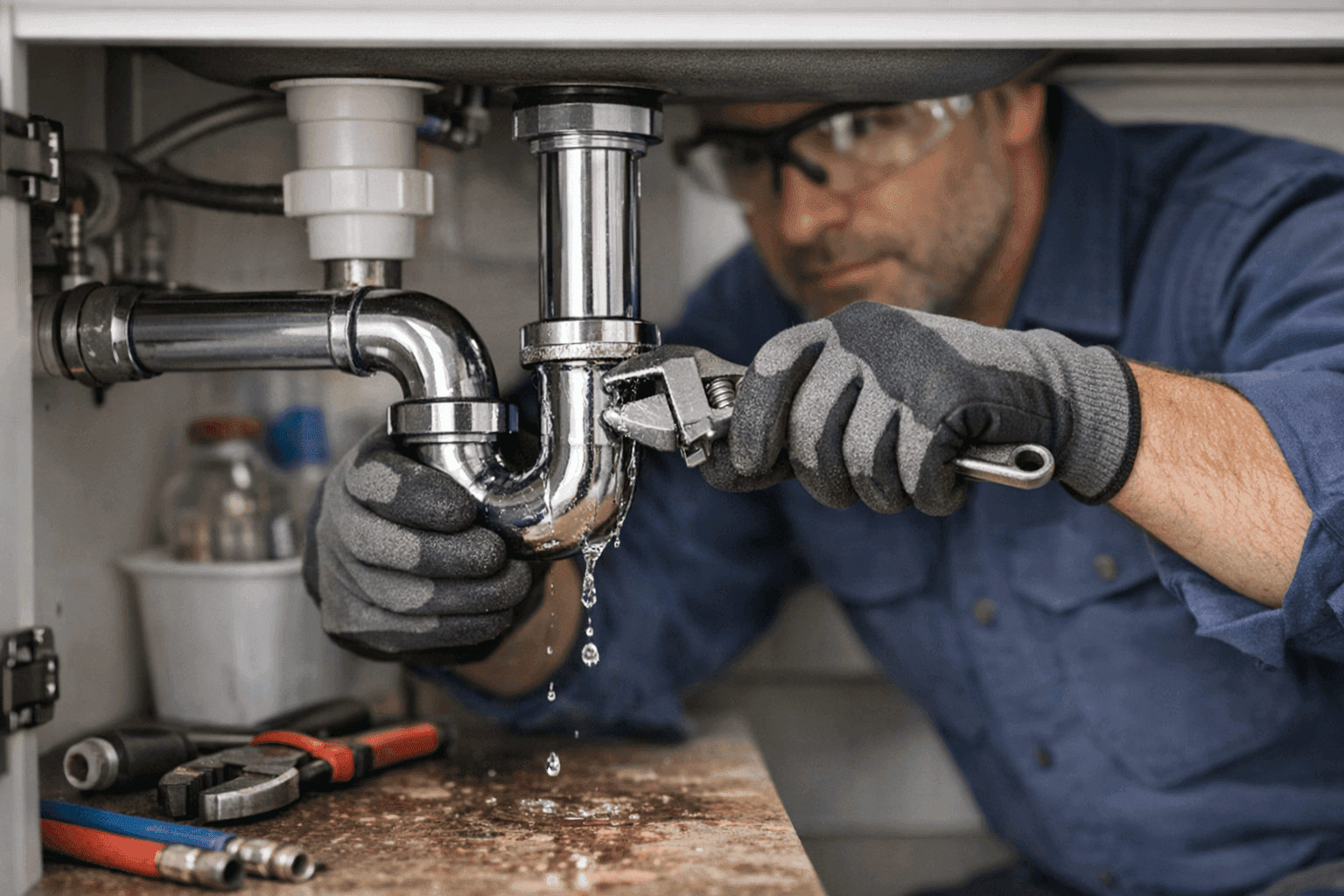
When water starts to drip or gush where it shouldn’t, panic can set in fast. You’re not alone—every homeowner faces a plumbing leak at some point. The key? Acting quickly, calmly, and safely to stop water damage before it spirals out of control.
At Julius La Rosa Plumbing, we’ve seen firsthand how a small leak can become a homeowner’s biggest headache. With the right steps, you can shield your property from costly repairs and protect your family’s comfort.
Detecting Leaks Early: The First Line of Defense 🕵️
Leaks rarely announce themselves with a splash. Most sneak in quietly, hidden behind walls, under sinks, or beneath appliances. Early detection is your best friend.
Common leak sources in homes:
- Pipes (especially under sinks, behind walls, or in basements)
- Plumbing fixtures (faucets, toilets, showers)
- Appliances (dishwashers, washing machines, refrigerators)
- Water heaters and boilers
Warning signs to watch for:
- Unexplained puddles or damp spots
- Discolored or warped flooring
- Musty or earthy smells
- Sudden drops in water pressure
- Water stains on ceilings and walls
- The sound of running water when all taps are off
If you suspect a hidden leak but can’t pinpoint its source, leak detection services can help you find hidden leaks before they cause major damage.
Emergency Leak Response: What to Do First
When water is flowing where it shouldn’t, seconds count. Think of a leak like a ticking clock—every moment is a chance to limit damage.
Quick Safety Checklist:
- Shut off the water supply: Locate your main water valve and turn it off. If the leak is isolated (like a toilet or sink), use the fixture’s shutoff valve.
- Turn off electricity: If water is near outlets or electrical panels, cut the power at the breaker to avoid shock.
- Contain the water: Use towels, buckets, or pans to catch drips. Move valuables and electronics out of harm’s way.
- Ventilate the area: Open windows and doors to help dry things out and prevent mold.
Temporary Fixes: Stopping the Flow Until Help Arrives
Sometimes, you need to play defense until the pros get there. Temporary fixes can buy you precious time and minimize water damage.
Simple fixes for common leaks:
- Pipe leaks: Use plumber’s tape, a pipe clamp, or even a thick rag and duct tape to wrap the leak.
- Leaky faucets: Shut off the supply valve under the sink. Place a towel to absorb drips.
- Toilet leaks: Turn off the supply valve behind the toilet. Mop up standing water.
Remember, these are stopgaps—not permanent solutions. Always follow up with professional repairs to ensure your plumbing is safe and sound.
Preventing Mold and Structural Damage
Water is sneaky. Even a small leak can lead to mold growth or rot if left unchecked. Mold can start to grow within 24-48 hours of water exposure, according to the Environmental Protection Agency (EPA).
Tips to prevent long-term damage:
- Dry affected areas thoroughly with fans and dehumidifiers.
- Remove soaked carpets, rugs, and insulation if they can’t be dried quickly.
- Clean hard surfaces with soap and water, then disinfect.
- Watch for musty smells or spots that reappear—these can signal hidden moisture.
If you suspect mold or structural issues, consult guidelines from the EPA or your local health department for safe cleanup practices.
When to Call an Expert: Knowing Your Limits
Some leaks are simple fixes. Others can hide deep within your walls or foundation, making DIY repairs risky. If you notice persistent dampness, recurring leaks, or water near electrical systems, it’s time to call in the professionals.
For those in the area, North Las Vegas plumbing services are available if you need prompt help with urgent leaks or water damage concerns.
Common Leak Sources: Pipes, Fixtures, and Appliances
Understanding where leaks start helps you spot trouble before it spreads.
Pipes: Old, corroded, or poorly insulated pipes are prone to cracks and pinhole leaks. Watch for drips under sinks, in basements, or along exposed lines.
Fixtures: Faucets, toilets, and showerheads can develop worn seals or loose connections. Even a slow drip can waste gallons of water over time.
Appliances: Dishwashers, washing machines, and refrigerators with water lines are frequent culprits. Check hoses and connections regularly for signs of wear.
Insurance Documentation: Protecting Your Investment
If water damage occurs, proper documentation is crucial for insurance claims.
What to do:
- Take clear photos and videos of the leak and all affected areas.
- Save receipts for repairs, cleanup, and damaged items.
- Write down dates, times, and steps you took to contain the leak.
- Contact your insurance company as soon as possible and follow their reporting process.
Keeping a detailed record helps ensure a smoother claims process and can reduce out-of-pocket costs.
DIY vs. Professional Repair: Weighing Your Options
Some repairs, like tightening a loose faucet or replacing a washer, are straightforward. But when leaks are hidden or involve major plumbing lines, professional help is the safest bet.
DIY is okay for:
- Replacing faucet washers or O-rings
- Tightening loose connections
- Using plumber’s tape on minor leaks
Call a pro for:
- Burst pipes or major water flow
- Leaks inside walls, ceilings, or floors
- Repeated leaks in the same spot
- Water near electrical systems
Explore our leak repair services for safe, effective solutions to persistent or complex issues.
What Professionals Do When They Arrive
When plumbers arrive, they bring both expertise and specialized equipment. Here’s what you can expect:
- Assessment: Visual inspection and moisture meter readings to locate the source.
- Leak detection technology: Acoustic sensors or thermal imaging to find hidden leaks.
- Repair: Fixing or replacing damaged pipes, fixtures, or seals.
- Testing: Ensuring all repairs hold and water pressure returns to normal.
- Cleanup: Helping you dry out and sanitize affected areas.
Prevention & Maintenance: Stopping Leaks Before They Start 🛠️
An ounce of prevention is worth a gallon of mop water.
Simple steps to prevent leaks:
- Inspect pipes and fixtures regularly for signs of wear or corrosion.
- Replace old hoses on appliances every 5 years.
- Insulate pipes before winter to prevent freezing and bursting.
- Schedule annual plumbing checkups, including leak detection services.
Costs and Time Factors: What to Expect
Leak repair costs can range from minor (tightening a faucet) to major (replacing a burst pipe). The sooner you act, the less expensive the fix tends to be.
Typical cost factors:
- Location and accessibility of the leak
- Severity of water damage
- Materials and parts needed
- Emergency response vs. scheduled service
Quick action can often mean the difference between a simple fix and a major renovation.
When It’s an Emergency: Don’t Wait
Not all leaks are created equal. Some demand immediate action.
Emergency situations:
- Water pouring from ceilings or walls
- Flooded rooms or electrical hazards
- Sewage leaks or foul odors
- No access to clean water
In these cases, don’t hesitate. Shut off water and power, then call for help right away. If you need plumbers in North Las Vegas, you can rely on our rapid response for urgent situations.
Seasonal Considerations: Winter, Spring, and Beyond
Leaks don’t follow the calendar, but certain seasons bring extra risk.
- Winter: Freezing temps can burst pipes. Insulate exposed lines and let faucets drip during deep freezes.
- Spring: Thawing can reveal cracks or leaks in outdoor pipes.
- Storm season: Heavy rains can overwhelm sump pumps or reveal foundation leaks.
Stay ahead by checking your plumbing at the start of each season.
Common Mistakes Homeowners Make
- Ignoring small drips, thinking they’ll “go away”
- Using too much force when tightening fittings, causing cracks
- Waiting too long to call for help, letting damage spread
- Forgetting to document damage for insurance
A little attention now can save a lot of hassle later.
Signs of Trouble: What Not to Ignore 🚨
- Persistent musty smells
- Bubbling or peeling paint
- Sudden spike in your water bill
- Low water pressure throughout the house
Spot these signs? Investigate right away or call for professional help.
Timeline & Disruption: How Long Does Leak Repair Take?
Most minor repairs can be handled in a few hours. Major leaks, especially those requiring wall or floor repairs, may take a day or more. Your plumber will explain the expected timeline and any needed follow-up.
Materials & Equipment: What You’ll Need
For emergency fixes:
- Plumber’s tape
- Adjustable wrench
- Towels, buckets, and fans
- Flashlight
For permanent repairs: Leave it to the pros—proper tools and parts ensure a safe, lasting fix.
Preparing for Service: Making Things Easier
Before your plumber arrives:
- Clear the area around the leak
- Move pets and valuables out of the way
- Write down any symptoms or changes you’ve noticed
This helps your plumber work quickly and keeps your home safe during repairs.
FAQs About Leak Repair
Q: Will my homeowner’s insurance cover water damage?
A: Most policies cover sudden, accidental leaks but may exclude long-term neglect. Always check your policy and document everything.
Q: How often should I check for leaks?
A: Inspect visible pipes and fixtures monthly. Schedule a professional inspection annually.
Q: What if I can’t find the source of the leak?
A: Professional leak detection experts use specialized tools to pinpoint hidden leaks with minimal disruption.
The Bottom Line: Fast Action Saves Homes
Leaks are sneaky, but you don’t have to be caught off guard. By spotting problems early, acting fast, and knowing when to call for help, you can keep water damage at bay.
Call Julius La Rosa Plumbing now — or reach us anytime at 855-598-5280 .