Leak Detection: How Pros Find Hidden Plumbing Leaks
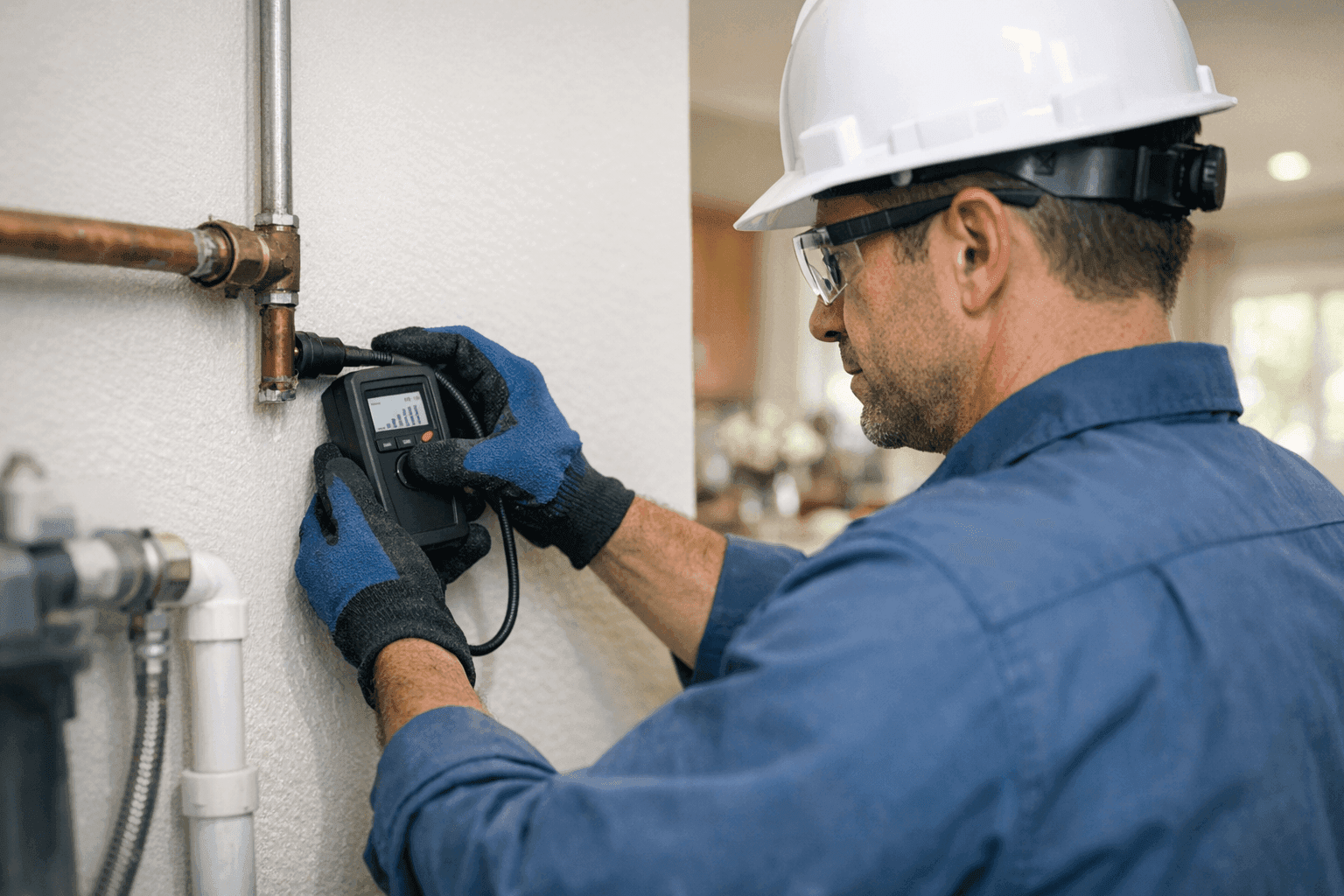
Water has a way of slipping into places it shouldn’t. One day, everything’s dry; the next, you’re staring at a warped floorboard or mysterious stain. Hidden leaks don’t just waste water—they can quietly eat away at your home’s structure.
At Julius La Rosa Plumbing, we know how sneaky these leaks can be. That’s why our team uses the latest tools and proven techniques to find plumbing leaks, even when they’re out of sight. Let’s pull back the curtain on how the pros track down the drips before they become disasters.
Why Hidden Leaks Are Dangerous 🛑
A hidden leak is more than just a nuisance—it’s a ticking time bomb for your property. Water seeping behind walls or under floors can:
- Rot wood framing and drywall
- Create the perfect breeding ground for mold and mildew
- Damage your home’s insulation and electrical systems
- Lead to sky-high water bills
It’s like a tiny crack in a dam. At first, it seems harmless. But over time, the damage adds up, putting your safety and investment at risk.
Signs of Concealed Water Damage
How do you know if you have a leak you can’t see? Watch for these subtle clues:
- Unexplained spikes in your water bill
- Musty or earthy odors, especially in basements or crawl spaces
- Peeling paint, bubbling wallpaper, or warped floors
- Stains or discoloration on ceilings and walls
- The sound of dripping or running water when all taps are off
If any of these sound familiar, it’s time to investigate further. Ignoring the signs could mean bigger problems down the road.
Leak Detection Tools: How Pros Track Down Trouble
Modern plumbing leak detection is a far cry from poking holes in drywall and hoping for the best. Today’s technicians use a toolbox of high-tech gear:
Thermal Imaging Cameras
These cameras see heat, not just light. Leaks often make surfaces cooler than the surrounding area. A quick scan with a thermal camera can reveal cold, damp spots—even inside walls or under floors.
Acoustic Listening Devices 🎧
Water leaking under pressure makes a distinct sound. Acoustic sensors amplify these noises, helping pros pinpoint the exact spot—sometimes down to the inch—where water is escaping.
Moisture Meters
These handy gadgets measure how much water is in building materials. They help confirm whether a suspicious area is actually wet or just cold.
Endoscopic Cameras
Flexible cameras snake into tight spaces—behind drywall, under sinks, or inside pipes—giving a real-time view of hidden trouble.
By combining these tools, plumbers can zero in on leaks with surgical precision, minimizing disruption to your home.
The Professional Inspection Process
Wondering what to expect when you call in plumbing leak detection services? Here’s how the process usually unfolds:
- Interview & Visual Check: The technician asks about your concerns and inspects visible plumbing fixtures, pipes, and appliances.
- Meter Reading: They may check your water meter for signs of continuous, unexplained flow.
- Non-Invasive Testing: Using thermal imaging and acoustic sensors, the pro scans walls, floors, and ceilings—no holes required.
- Moisture Mapping: If dampness is found, moisture meters help define the affected area.
- Targeted Exploration: Only if absolutely necessary, a small access point is created to confirm the leak’s location.
- Detailed Report: You’ll get a summary of findings and recommended next steps.
Certified technicians follow safety and building codes, such as those outlined by the International Association of Plumbing and Mechanical Officials (IAPMO) and local regulations, to protect your home and family.
What to Do if You Find a Leak
If you spot a leak—or even suspect one—don’t panic. Here’s a quick action plan:
- Turn off the water: Shut off the main valve if water is gushing or pooling.
- Contain the damage: Use towels or buckets to keep water away from electronics, wood, or valuables.
- Document everything: Take photos for your insurance company.
- Call a professional: Quick action can prevent long-term damage.
For urgent help with Nashua plumbing services, our team is ready to respond day or night.
DIY vs. Call a Pro: When to Get Help
Not all leaks require a pro, but many do. If you’re dealing with a dripping faucet or loose fitting under the sink, you might handle it with basic tools. But for leaks inside walls, beneath floors, or near your foundation, professional leak detection services are essential.
Trying to fix hidden leaks yourself can lead to bigger messes and more expensive repairs. Plumbing codes exist for a reason—safety matters.
Preventing Hidden Leaks
A little prevention goes a long way. Here’s how to keep leaks at bay:
- Check under sinks and around toilets regularly for moisture.
- Know where your main shut-off valve is located.
- Schedule annual plumbing inspections, especially in older homes.
- Insulate pipes before winter to prevent freezing and bursting.
- Address even small drips promptly.
Routine checkups and maintenance can save you from costly surprises. For proactive care, our leak detection process is designed to catch problems early.
Common Mistakes Homeowners Make
It’s easy to overlook small plumbing issues. Here are pitfalls to avoid:
- Ignoring unexplained water bills
- Waiting too long to address minor leaks
- Using chemical drain cleaners (they can damage pipes)
- Covering up water stains with paint instead of investigating the cause
Remember, what you can’t see can still hurt your home.
Costs & Time Factors
Leak detection costs depend on the size of your home, the complexity of your plumbing, and how hard the leak is to reach. Most inspections take 1–2 hours. Repairs vary—some are quick fixes, while others require more time and materials.
Investing in early detection is far less expensive than repairing major water damage or mold remediation.
When It’s an Emergency 🚨
Some leaks can’t wait. Burst pipes, sewage backups, or water pouring through ceilings demand immediate attention. In these moments, calling in leak repair solutions can make all the difference between a quick fix and a major headache.
If you’re ever unsure, it’s better to call than risk serious damage.
Quick Safety Checklist
- Know your main water shut-off location.
- Keep emergency numbers handy.
- Don’t touch electrical outlets or appliances if you suspect water nearby.
- Use caution around wet floors to avoid slips.
Safety first—always.
Timeline & Disruption: What to Expect
Worried about your home being torn apart? Modern leak detection is designed to be non-invasive. Most of the time, walls and floors stay intact. If a small access point is needed, pros keep it as tidy as possible.
Repairs may require short water shut-offs, but your daily routine should be back to normal quickly.
Seasonal Considerations
Winter is prime time for hidden leaks—frozen pipes can crack and thaw, leaking behind the scenes. In spring, heavy rains can reveal weaknesses in sump pumps or basement plumbing. Regular checks during these seasons are smart.
And if you’re searching for reliable plumbers in Nashua who know the local climate and building codes, our team is always close by.
FAQ: Leak Detection in Your Home
Q: Will leak detection damage my walls?
A: Most methods are non-invasive. Only rarely is a small access point needed.
Q: How long does a typical inspection take?
A: Usually between 60 and 120 minutes, depending on the size and complexity of your home.
Q: Are hidden leaks covered by insurance?
A: Many policies cover sudden or accidental leaks, but not long-term neglect. Always check your policy.
Q: Can you find leaks under concrete?
A: Yes—acoustic and thermal tools can often locate leaks in slab foundations without breaking up the floor.
Final Thoughts
Hidden plumbing leaks can be sneaky, but with the right approach, they don’t stand a chance. From advanced leak detection tools to certified inspection standards, Julius La Rosa Plumbing is here to help you protect your home—one drop at a time.
Call Julius La Rosa Plumbing now — or reach us anytime at 855-598-5280 .