Kitchen Plumbing: How to Avoid the Most Common Problems
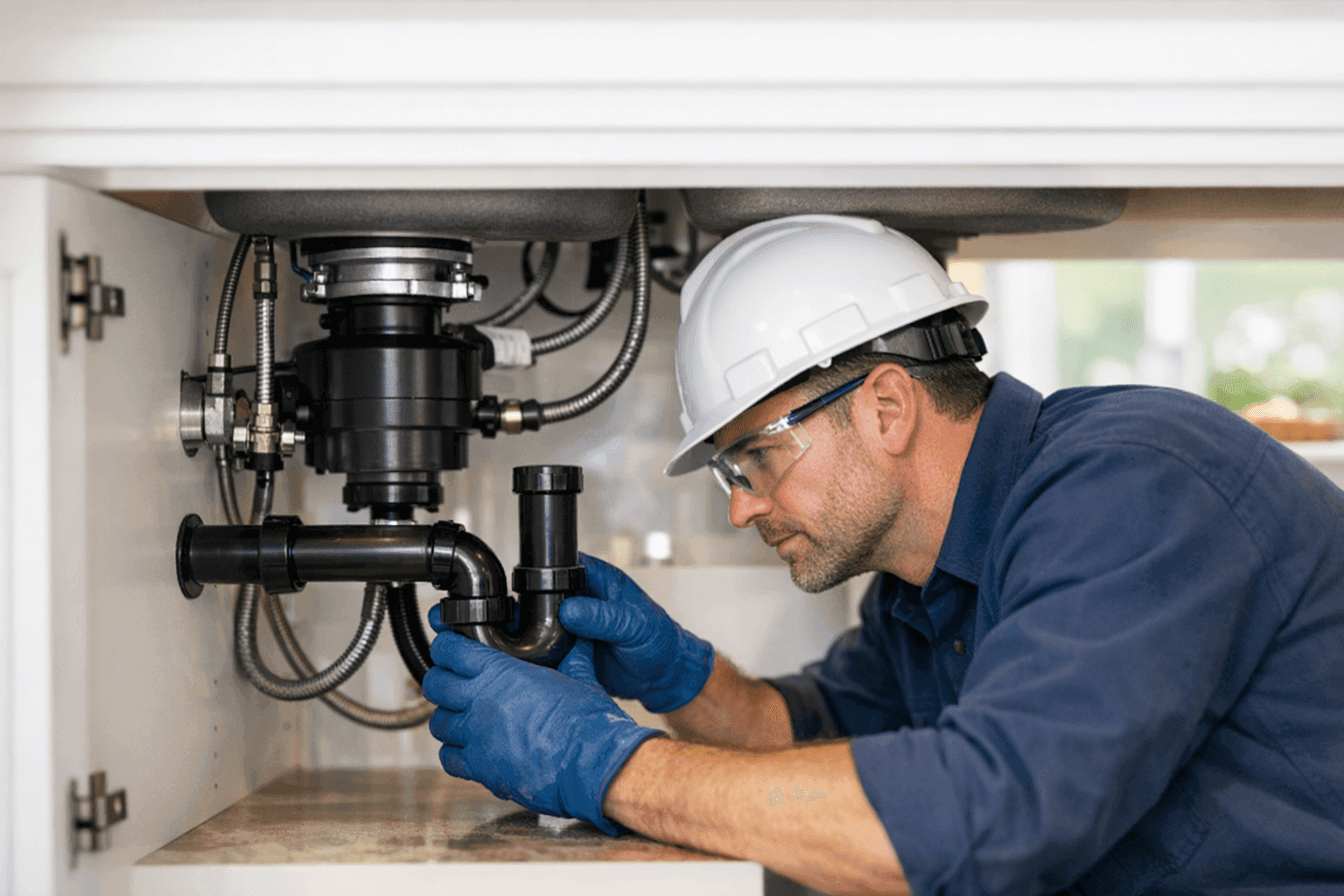
Every kitchen tells a story—of family meals, busy mornings, and the occasional midnight snack. But behind those moments, your plumbing works overtime. When something goes wrong, it can throw everything out of sync. Leaks, clogs, and mysterious noises can turn your kitchen into a battleground. We see it every day at Julius La Rosa Plumbing, and we know just how quickly a small issue can become a big headache.
You don’t have to be a plumbing whiz to keep your kitchen running smoothly. With a little know-how and the right habits, you can avoid the most common problems before they start. Let’s break down what you need to know to keep water flowing, drains clear, and stress levels low.
Typical Kitchen Plumbing Problems
Every home faces similar kitchen plumbing challenges. Some are sudden, like a burst pipe. Others sneak up slowly, like a drip under the sink or a garbage disposal that hums but doesn’t spin.
Frequent issues include:
- Slow or clogged drains
- Leaky faucets or pipes
- Garbage disposal jams
- Low water pressure
- Odd smells from the sink
- Dishwasher not draining
Think of your kitchen plumbing as a busy highway. One blocked lane, and everything backs up. That’s why even minor issues can snowball if ignored.
Preventing Clogs and Leaks 🚿
Clogs and leaks are the two-headed monster of kitchen plumbing. Both can cause water damage, mold, and wasted time.
To keep things running:
- Never pour grease or oil down the drain. These cool and harden, sticking to pipes like glue.
- Use sink strainers to catch food scraps, coffee grounds, and starchy leftovers.
- Run hot water for a minute after using the sink—like a reset button for your pipes.
- Check under sinks for dampness or puddles. Even a tiny drip can signal trouble.
A little vigilance goes a long way. According to the International Plumbing Code (IPC), regular inspection is key to preventing hidden leaks and water waste.
Dishwasher and Disposal Care
Your dishwasher and garbage disposal are kitchen workhorses, but they need a little love, too.
For the garbage disposal:
- Only put in soft foods. Avoid bones, pits, shells, and fibrous veggies (like celery).
- Cut scraps into small pieces. Feed them in slowly, not all at once.
- Always run cold water before and after use. Cold helps fats solidify, so they can be ground up and flushed away.
For the dishwasher:
- Scrape plates before loading. Large food chunks can block the drain.
- Clean the filter regularly (check your manual for instructions).
- Run an empty cycle with a cup of vinegar every few months to reduce buildup.
If your disposal is humming but not spinning, turn it off, unplug it, and use a hex wrench to gently free the jam—never use your hands.
Kitchen Sink Smells: What’s Behind Them?
Bad odors wafting from the sink can make your kitchen unpleasant. Usually, it’s food buildup in the drain or disposal.
- Pour a mixture of baking soda and vinegar down the drain. Let it fizz for 10 minutes, then flush with hot water.
- For persistent smells, check the P-trap (the curved pipe under the sink). Sometimes food or grease gets trapped there.
If the smell lingers, it may point to a deeper drain issue. In that case, professional drain cleaning may be needed.
Quick Fixes vs. Professional Repair
It’s tempting to reach for a bottle of drain cleaner or a wrench when something goes wrong. But not every fix is safe or effective.
DIY can work for:
- Clearing minor clogs with a plunger or drain snake
- Tightening a loose faucet nut
- Replacing a worn-out washer
But call a pro if you notice:
- Water leaking from pipes or under the sink
- Persistent clogs that come back quickly
- Strange noises from pipes or appliances
- Any sign of water damage on walls, cabinets, or floors
Some issues—like repiping, gas line checks, or backflow prevention—require specialized tools and code compliance. Find more about what’s included in kitchen plumbing services.
Signs of Trouble: Don’t Ignore These
Your kitchen sends out warning signals when something’s off. Watch for:
- Gurgling sounds from the drain (like a throat clearing)
- Water draining slower than usual
- Visible rust or corrosion on pipes
- A spike in your water bill
These signs are the plumbing equivalent of a check engine light. Address them early to avoid bigger (and pricier) surprises.
Common Mistakes to Avoid
We’ve seen well-meaning homeowners make small missteps that cost big later. Here are a few to steer clear of:
- Using chemical drain cleaners too often—they can eat away at pipes.
- Ignoring small leaks (“It’s just a drip!”) that lead to hidden water damage.
- Overloading the garbage disposal or using it as a trash can.
- Flushing grease with hot water (it only moves the problem further down).
Healthy habits are your first line of defense.
When It’s an Emergency
A burst pipe. Water gushing under the sink. Major leaks that just won’t stop. That’s when you need help, fast.
- Shut off the main water supply immediately.
- Clear out valuables and towels to contain the damage.
- Call for emergency plumbing—don’t wait, as water damage can escalate quickly.
- If you’re in the area, support is ready for you—see availability for San Tan Valley plumbing emergencies.
Don’t risk your home or health by delaying action.
Preventative Maintenance: Your Plumbing “Insurance” 🛠️
You change your car’s oil before the engine seizes. Treat your kitchen plumbing the same way.
- Inspect visible pipes every month for signs of moisture, rust, or mineral buildup.
- Schedule annual drain cleaning to keep things flowing.
- Test water pressure—if it’s too high, it strains pipes and fixtures.
- Replace old supply lines with braided steel hoses for extra durability.
The Uniform Plumbing Code (UPC) recommends periodic inspections, especially for older homes.
Preparing for Holidays and Heavy Use
Big family dinners and holiday gatherings put extra pressure on your kitchen plumbing. More guests means more dishes, more food waste, and more chances for a backup.
- Stagger dishwashing and showers to prevent drain overload.
- Remind guests not to put grease or stringy veggies down the drain.
- Empty the disposal before heavy use periods.
- Have a plunger and a bucket handy—just in case.
A little prep now can save a lot of stress when the house is full.
Water Filtration and Fixture Care
Clean water isn’t just about taste. Sediment and minerals can clog aerators, valves, and appliances.
- Install a water filtration system if your water is hard or has visible particles.
- Clean faucet aerators every few months to maintain water flow.
- Replace worn-out washers and gaskets to stop slow leaks.
If you notice scale on your fixtures, it’s time for a cleaning or filter upgrade.
Gas Safety in the Kitchen
If your kitchen uses gas for cooking or appliances, regular checks are critical.
- Inspect for any smell of gas (rotten eggs odor). If you detect it, leave immediately and call your gas provider.
- Ensure all connections are tight and undamaged.
- Schedule periodic gas safety checks for peace of mind.
Safety codes (like those from the National Fuel Gas Code) exist to protect your home and family.
Sump Pumps and Flood Prevention
If your kitchen is on the lower level or you have a basement nearby, sump pumps keep water out during heavy rain.
- Test your sump pump by pouring in water and making sure it activates.
- Keep the pit free of debris.
- Replace old pumps before they fail, especially before storm season.
Flooding is rare, but when it happens, a working sump pump is a lifesaver.
The Hidden Cost of Ignoring Problems
It’s easy to put off plumbing repairs, but delays can multiply the cost. A $10 washer today could prevent a $1,000 cabinet replacement tomorrow. Water leaks can also lead to mold, wood rot, and higher utility bills.
Consider proactive plumbing care as an investment in your home’s future.
Materials and Equipment: The Right Stuff
Not all pipes, hoses, and fittings are created equal. When making repairs or upgrades, use materials that meet local building codes.
- Choose brass or stainless steel for durability under sinks.
- Use Teflon tape on threaded connections to prevent leaks.
- Replace plastic drain pipes with PVC or ABS for longer life.
When in doubt, consult the International Association of Plumbing and Mechanical Officials (IAPMO) guidelines.
How Professionals Approach Kitchen Plumbing
When you call in a plumber, you’re not just getting tools—you’re getting experience. Here’s what happens during a typical visit:
- Inspection of all visible pipes and fixtures
- Testing for leaks, pressure, and drainage speed
- Checking the garbage disposal, dishwasher, and filtration systems
- Explaining what’s wrong and what caused it
- Recommending safe, long-term fixes
A good plumber will also share simple tips to keep things running smoothly after the job is done.
Timeline and Disruption: What to Expect
Most kitchen plumbing repairs can be done in one visit. Minor fixes take under an hour, while larger projects (like repiping or fixture installation) might need a half day to several days. Clear the area under your sink and keep pets and kids clear for safety.
If you’re scheduling maintenance, pick a quieter time—avoid the days before major holidays or family gatherings.
FAQ: Your Kitchen Plumbing Questions, Answered
Q: Is it safe to use store-bought drain cleaners?
A: Occasionally, but use them sparingly. Overuse can damage pipes and harm septic systems.
Q: My garbage disposal stopped working—what should I do?
A: Press the reset button on the bottom. If it still won’t start, unplug it before trying to clear a jam with the provided hex key.
Q: Why is my water bill so high all of a sudden?
A: You may have a hidden leak. Check under sinks, behind appliances, and listen for running water when everything’s off.
Q: How often should I have my kitchen plumbing inspected?
A: At least once a year, especially if your home is older or you use your kitchen heavily.
When to Call for Professional Help
It’s always better to ask for help before a small problem becomes a crisis. If you’re dealing with repeated clogs, mysterious leaks, or anything you can’t quickly fix, don’t wait. Kitchen plumbing issues rarely resolve on their own, and quick action protects your home and budget.
Want to know more about what we handle? Explore our full kitchen plumbing services and see how we can help you avoid future headaches.
Call Julius La Rosa Plumbing now — or reach us anytime at 855-598-5280 .