How to Winterize Your Plumbing and Prevent Frozen Pipes
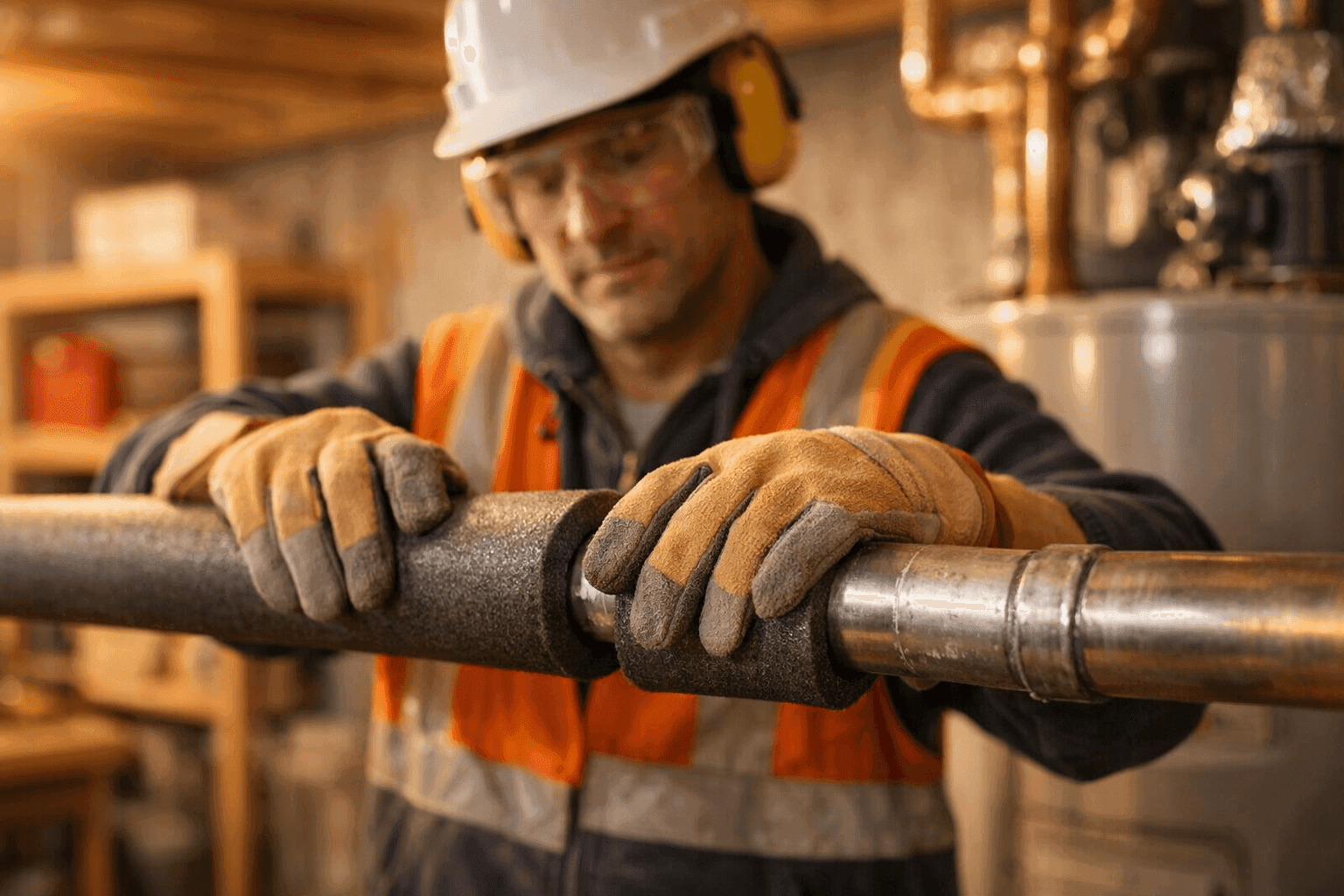
When the temperature drops, your pipes feel it first. Winter can turn a small oversight into a major mess. A frozen pipe is more than an inconvenience—it’s a burst waiting to happen, risking expensive damage and weeks of disruption.
At Julius La Rosa Plumbing, we know the headaches winter brings. That’s why we’re sharing the most practical ways to protect your plumbing and keep your home safe, warm, and dry all season long.
Why Frozen Pipes Are a Big Deal
Think of water as the hiker in your plumbing system. When it gets stuck in the cold, it expands, pushing against the walls until something finally gives. That “give” can be a crack, a leak, or a full-blown burst. The result? Soaked floors, ruined drywall, and a bill that’s anything but cool.
Quick Safety Checklist Before You Begin 🛑
- Turn off and drain outdoor water lines.
- Know where your main water shutoff valve is (it’s your home’s emergency brake).
- Gather supplies: pipe insulation, faucet covers, flashlight, and towels.
- If you’re using a space heater, follow all safety guidelines from the National Fire Protection Association (NFPA).
Indoor Plumbing Prep: Insulating and Protecting What’s Inside
Cold air sneaks in like a drafty ghost. Focus on the pipes most at risk:
- Basement and crawl space pipes: These are prime freeze targets.
- Pipes running along exterior walls or under sinks: Especially in kitchens, bathrooms, and laundry rooms.
How to insulate:
- Use foam pipe sleeves or wrap with heat tape (UL-listed only).
- For hard-to-reach spots, even thick towels can help in a pinch.
- Open cabinet doors under sinks to let warm air circulate.
Pro tip: The U.S. Department of Energy recommends at least 1/2-inch thick insulation for exposed pipes.
Outdoor Plumbing Prep: Faucets, Hoses, and Spigots
Water left outside is like a forgotten soda can in the freezer—it will burst when frozen.
Steps to prep:
- Disconnect garden hoses and drain them completely.
- Shut off and drain outdoor faucets using the shutoff valve inside your home.
- Install insulated covers on all exterior spigots.
Avoiding Drafts: Sealing the Gaps
Even a tiny crack can let winter winds in. Cold air slips through, hunting for your pipes.
- Caulk any visible gaps where pipes enter walls.
- Use weatherstripping around basement doors and windows.
- Check insulation in crawl spaces and attics.
Keep the Heat On (Even If You’re Away)
Never let your home’s temperature drop below 55°F (13°C). Even if you’re heading out of town, keep the heat running. Pipes in cabinets, garages, and basements rely on that warmth.
What About the Garage?
If water pipes run through your garage, keep the doors closed as much as possible. Consider a portable heater (follow manufacturer’s safety rules) if the area gets especially cold.
Signs a Pipe Might Be Frozen
You turn on a faucet, and only a trickle comes out. Maybe nothing at all. That’s your warning bell.
Other signals:
- Frost on pipes
- Unusual sounds—gurgling, banging, or whistling
- Damp spots or water stains on walls or ceilings
Don’t ignore these signs. Quick action can prevent a much bigger problem.
Preventative Maintenance: The Little Things That Matter
Some habits make a big difference:
- Let a slow drip run from the most vulnerable faucets during extreme cold.
- Regularly check for leaks or drips—these can freeze faster.
- Schedule annual inspections, especially if your plumbing is older or you’ve had freeze issues before.
If you’re unsure about your system’s age or layout, professional preventative maintenance can help spot issues before they become emergencies. Our Garbage Disposal Repair near you page includes more on how proactive service can keep your kitchen running smoothly, no matter the season.
When It’s an Emergency: What to Do If Pipes Freeze 🚨
Don’t panic—but act fast.
- Shut off the main water valve to minimize flooding if a pipe bursts.
- Open the faucet served by the frozen pipe—this relieves pressure.
- Apply gentle heat to the frozen section using a hair dryer or warm towels. Never use an open flame.
- Call a licensed plumber if you can’t locate the freeze or thaw it safely.
If you live in an area where temperatures regularly dip below freezing, reliable support is close by. Homeowners can find more about local plumbing resources and emergency guidance through the Nampa plumbing info page.
How the Pros Handle Frozen Pipes
When Julius La Rosa Plumbing arrives, we:
- Pinpoint freeze locations using infrared cameras and years of hands-on experience.
- Thaw pipes safely, minimizing risk to your home.
- Check for cracks, leaks, or pressure imbalances.
- Advise on repairs and future prevention steps.
We follow International Plumbing Code (IPC) guidelines for every repair—safety first, always.
Common Mistakes to Avoid
- Using a blowtorch or open flame. This can start a fire faster than you can say “burst pipe.”
- Ignoring small leaks. Even a drip can freeze, expand, and cause a split.
- Waiting too long to call for help. Time is money—literally, when water’s involved.
DIY vs. Professional Help: When to Call In Backup
Some winterization steps are DIY-friendly, but others need a trained hand:
- DIY: Insulating pipes, draining hoses, covering spigots.
- Call a pro: Hidden pipes, recurring freeze issues, or if you notice bulging or frosty pipes.
Not sure if what you’re seeing is normal? It’s better to ask than to risk it.
Frequently Asked Questions
How much does it cost to winterize home plumbing?
Costs vary based on your home’s size and how much insulation or repair is needed. Basic DIY materials are affordable, but professional inspections or repairs can range higher—especially if you’re dealing with older plumbing.
How long does winterization take?
Most homeowners can complete simple prep in a day. Full inspections or repairs may take longer, depending on complexity.
Can I use heat tape on any pipe?
Only use UL-listed heat tape, and follow manufacturer instructions. Some pipes—like flexible plastic—may require specific products.
Timeline & Disruption: What to Expect
Most winterization is non-invasive, but if a pipe bursts, expect some disruption. Repairs might require opening walls or ceilings to access hidden plumbing. Quick response helps keep damage to a minimum.
Seasonal Considerations & Local Support
If you’re in a region known for harsh winters, prepare sooner rather than later—ideally before the first hard freeze. For local support, including emergency plumbing and seasonal advice, area residents can always reference the Nampa plumbing info page for up-to-date resources.
Wrap Up: Protect Your Home, Your Wallet, and Your Peace of Mind
Winter can be relentless. But with the right preparation, your plumbing doesn’t have to suffer. Insulate, drain, seal—and always keep an eye out for early warning signs.
If you need advice or emergency assistance, Julius La Rosa Plumbing is here to help—no matter how low the temperature drops.
Call Julius La Rosa Plumbing now — or reach us anytime at 855-598-5280 .