How to Unclog a Toilet Without a Plumber
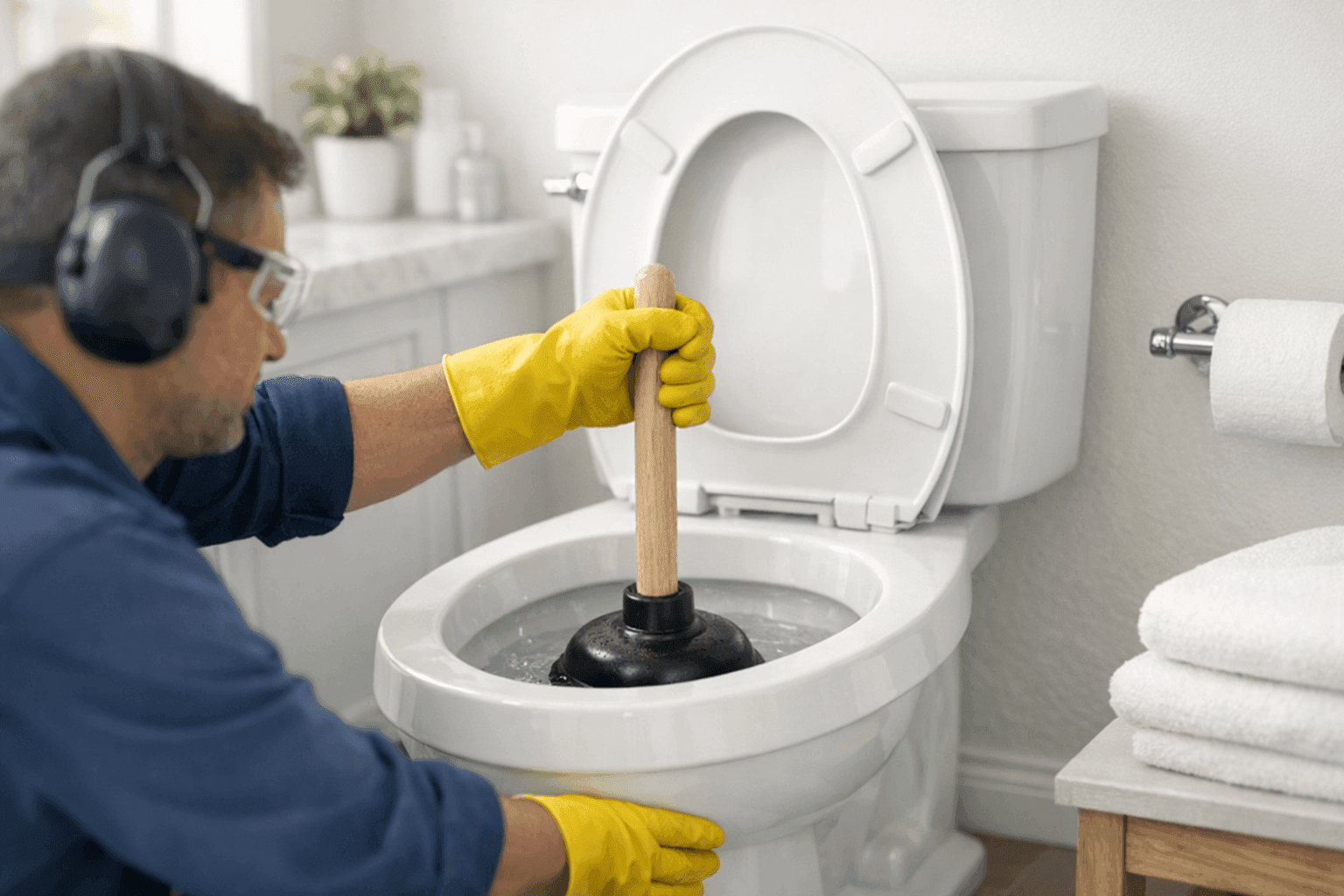
Have you ever watched the water in your toilet bowl rise—and keep rising—right as your heart drops? You’re not alone. Toilet clogs happen to everyone, sometimes at the worst possible moment. But here’s the good news: with the right know-how, many clogs can be tackled safely at home, no plumber necessary.
At Julius La Rosa Plumbing, we’ve seen every type of blockage imaginable. We understand the urgency when plumbing problems strike, and we’re here to guide you through the safe, effective steps you can take before calling in professional help.
Signs of a Toilet Clog 🚽
Before you grab any tools, it helps to know the warning signs of a clog. Sometimes, the problem is obvious—water won’t go down, or worse, it threatens to overflow. But some signs are sneakier:
- Bowl fills up higher than normal before slowly draining
- Gurgling or bubbling sounds from the toilet or nearby drains
- Weak flushes that leave waste behind
- Foul odors rising from the bowl
- Water backing up into your tub or sink after flushing
A clog can be a minor inconvenience or a sign of something deeper in your plumbing system. Recognizing the signs early can spare you from a messy situation.
Quick Safety Checklist
Before you start, remember: toilets aren’t just water—they’re full of germs. Protect yourself and your home with these simple steps:
- Wear rubber gloves.
- Keep old towels or rags nearby for spills.
- Remove rugs or anything you don’t want splashed.
- Never use harsh chemicals with a plunger—mixing can create dangerous fumes.
- If you’ve recently used cleaning products, ventilate the bathroom.
Taking precautions now prevents a bigger cleanup later.
DIY Tools and Materials
You don’t need a toolbox the size of a kitchen cabinet. Most clogs can be tackled with just a few basics:
Plungers
The classic plunger gets the job done more often than you’d think. For toilets, use a flange plunger (the kind with the extra rubber lip).
Toilet Augers
A toilet auger, sometimes called a “closet auger,” is like a plumber’s fishing pole. It snakes through the curves of your toilet to break up stubborn blockages.
Natural Solutions
Sometimes, all you need is a household combo:
- Hot (not boiling) water
- Dish soap
- Baking soda and vinegar
These gentle options can work wonders for minor clogs and help avoid damage to your plumbing.
Step-by-Step Unclogging
Let’s walk through the unclogging process—one step at a time.
1. Wait and Watch
If the bowl is full, give it 10–15 minutes. Water pressure alone might loosen the clog. Sometimes, patience is your best tool.
2. Add Hot Water and Soap
Pour a few cups of hot water into the bowl, followed by a generous squeeze of dish soap. Let it sit for another 10 minutes. The heat can help break down the blockage, while the soap lubricates the pipes.
3. Plunge Like a Pro
Set your flange plunger into the bowl. Make sure there’s enough water to cover the rubber part—this creates a seal. Push down gently at first, then plunge forcefully up and down for 20–30 seconds. You’re not trying to force water down, but to use pressure changes to shift the clog.
4. Try the Auger
If the plunger hasn’t worked, reach for a toilet auger. Insert the end into the bowl and crank the handle. You’ll feel resistance when you hit the clog. Keep turning to break it up. Pull the auger back carefully—sometimes the culprit comes out attached!
5. Baking Soda and Vinegar
Pour one cup of baking soda into the bowl, followed by two cups of vinegar. Let it fizz and bubble for about 30 minutes, then try flushing. The reaction can help break up organic matter.
6. Flush Wisely
Test the flush. If water goes down as normal, you’re in the clear. If not, repeat the above steps or move on to professional help.
What Not to Do
- Don’t use chemical drain cleaners—they can damage both your pipes and the environment.
- Don’t keep flushing if the water isn’t going down. You risk overflow and water damage.
- Never use wire hangers or sharp objects—they can scratch or crack the porcelain.
When to Call a Plumber
If you’ve tried all the above and the clog won’t budge, it’s time for backup. Some blockages are buried deep in the pipes, beyond a homeowner’s reach. Persistent problems can also hint at bigger issues, like tree roots or a damaged sewer line. You might need a professional unclogging service if:
- Water backs up into sinks or tubs when you flush
- The toilet repeatedly clogs, even after clearing
- Sewage odors linger in your bathroom
- There’s water around the toilet base
When in doubt, it’s safer to let a licensed plumber handle complex clogs—your home’s plumbing is worth the extra care.
Understanding What Causes Clogs
Most toilet clogs come from flushing things that weren’t meant to go down. Common offenders include:
- “Flushable” wipes (they’re not really flushable)
- Feminine hygiene products
- Paper towels or napkins
- Excessive toilet paper
- Kids’ toys (it happens more than you’d think!)
As the saying goes, your toilet is not a trash can.
Common Mistakes Homeowners Make 🚫
- Using too much force with tools and cracking the bowl
- Flushing repeatedly, causing overflow
- Ignoring slow drains, which often signal a developing clog
A little patience goes a long way in preventing disaster.
Preventative Maintenance Tips
Keep your toilet flowing freely with a few simple habits:
- Only flush human waste and toilet paper
- Clean your toilet regularly to spot early signs of trouble
- Check for leaks or weak flushes
- Schedule annual plumbing inspections, especially in older homes
If you’re dealing with recurring clogs, you might benefit from a toilet repair specialist to assess deeper issues.
DIY vs. Pro: Knowing Your Limits
Some clogs are a quick fix. Others hide a story beneath the surface—collapsed pipes, roots, or years of buildup. If your efforts don’t work within 30–40 minutes, don’t risk damaging your plumbing. That’s when it’s wise to call for help.
What to Expect When a Plumber Arrives
A plumber will:
- Assess the situation and inspect for deeper issues
- Use professional-grade augers and cameras if needed
- Offer guidance on repairs or upgrades if chronic issues are found
They’ll also make sure your system is safe and up to code, following standards like those outlined by the International Plumbing Code (IPC).
Costs, Time, and Disruption
DIY unclogging is usually quick and inexpensive—just your time and basic materials. Professional service costs vary based on the severity of the clog and the underlying cause. Most fixes are done within an hour, but bigger issues (like sewer line repair) can require more time and planning.
When It’s an Emergency
An overflowing toilet, especially if it won’t stop, is a plumbing emergency. Shut off the water supply behind the toilet and call immediately. If you’re in an area like Meridian, same-day help is often available for urgent plumbing issues to prevent damage.
Seasonal Considerations
Clogs can strike year-round, but heavy rainfall or cold snaps sometimes add stress to your plumbing. After big storms or freezing weather, keep an eye out for slow drains or odd noises—these could signal developing problems.
FAQs: Your Top Questions Answered
Can I use boiling water to clear a clog?
No—extreme heat can crack porcelain or damage seals. Hot, but not boiling, water is safest.
How do I know if the clog is in the toilet or deeper in the sewer line?
If other drains in your home are affected, it’s likely a main line issue best left to professionals.
Is it safe to use a plunger if I’ve already tried chemicals?
Not recommended. Chemical reactions can create harmful fumes. Always ventilate the room and wait a few hours if chemicals were used.
Keeping Your Plumbing Healthy
Clogs are a normal part of home life. With the right approach, most are manageable without stress or mess. But knowing your limits—when to call for help—protects your home and your peace of mind.
Call Julius La Rosa Plumbing now — or reach us anytime at 855-598-5280 .