How to Troubleshoot Common Bathroom Plumbing Problems
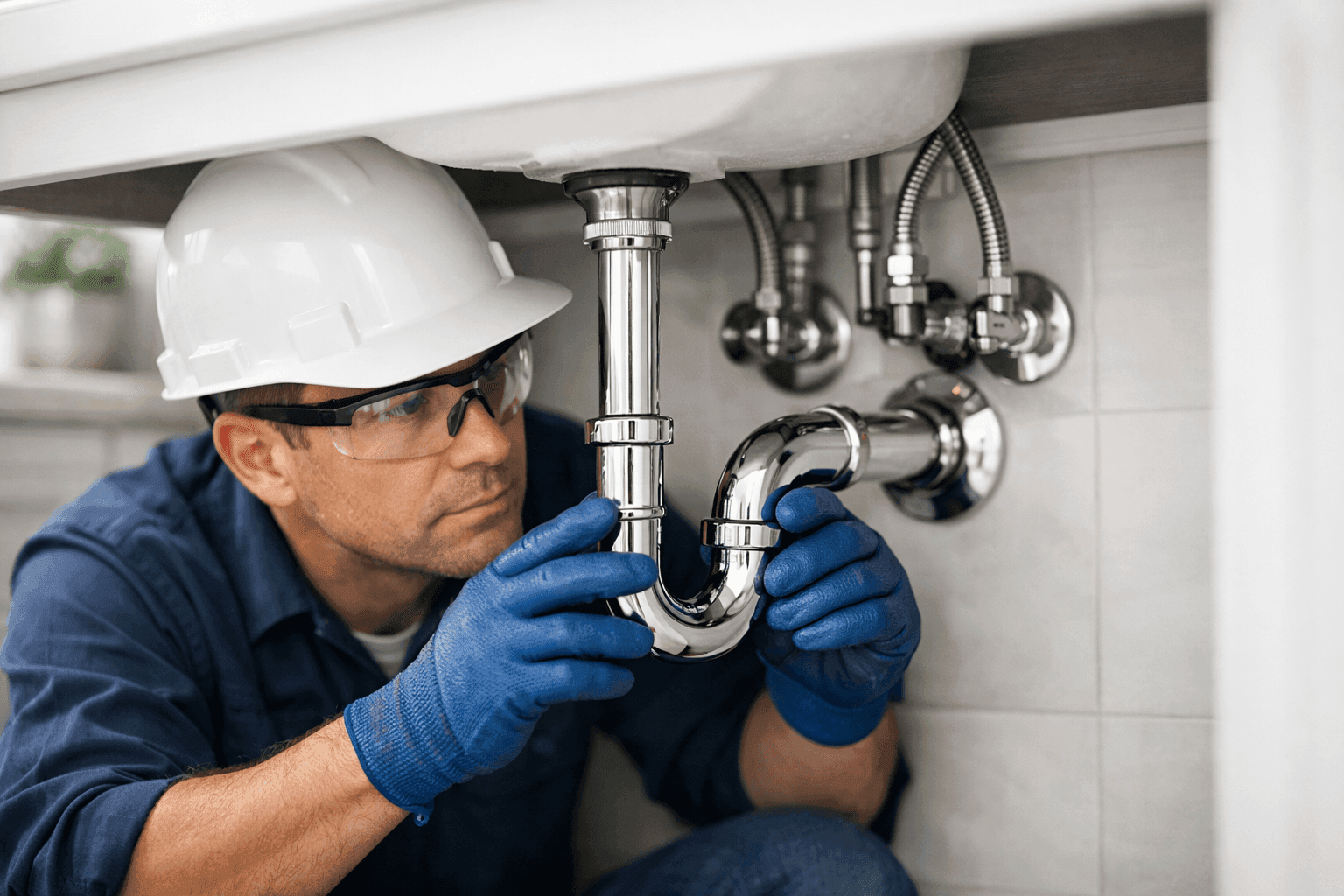
Have you ever stepped onto a cold bathroom floor only to find a growing puddle near your sink? Maybe your toilet gurgles at night, or water drains away slower than a lazy river. Plumbing problems sneak up when you least expect them.
At Julius La Rosa Plumbing, we've seen it all—leaky faucets, stubborn clogs, and mysterious drips that keep families up at night. Let's break down the most common bathroom plumbing headaches, what you can handle yourself, and when it’s smart to bring in a pro.
Common Bathroom Plumbing Issues 🚿
Plumbing in the bathroom is like a symphony—when every instrument works in harmony, it’s smooth sailing. When one part falters, everything can sound off. Here are some of the most frequent issues homeowners face:
- Dripping faucets: That steady plink-plink wastes water and money.
- Clogged drains: Hair, soap scum, and shaving cream are the usual suspects.
- Running toilets: A silent leak can waste hundreds of gallons per month.
- Low water pressure: Showers that feel more like a drizzle than a downpour.
- Leaky pipes: Damp spots, stains, or musty smells under sinks or behind walls.
- Slow-filling toilets: Sometimes a sign of valve or supply line trouble.
- Noisy pipes: Banging or whistling when you run water.
Each problem hints at a specific issue. Spotting the symptoms early helps prevent a full-blown plumbing disaster.
Quick Safety Checklist
Before you poke around your plumbing, take a breath. Water and pipes can surprise you. Safety comes first:
- Turn off the water shutoff valve under the sink or toilet before any repair.
- If you suspect a leak near electrical outlets, switch off power at the breaker.
- Wear gloves to protect your hands from chemicals or sharp edges.
- Never mix cleaning agents—some combinations can release dangerous fumes.
- If you smell gas or see sparks, leave the area and call for help immediately.
The Uniform Plumbing Code (UPC) and your local codes exist for a reason—never bypass them.
DIY Troubleshooting Steps 🛠️
Many bathroom plumbing issues can be tackled with a few simple tools, some patience, and a little know-how. Here’s how to address the most common ones:
Dripping Faucets
- Tighten the handle gently. Over-tightening can make things worse.
- Replace washers or O-rings if tightening doesn’t help. Shut off water first.
- If it still drips, mineral buildup could be the culprit. Remove the aerator and soak it in vinegar overnight.
Clogged Drains
- Plunger: Create a tight seal and plunge in short bursts.
- Zip-it tool or wire hanger: Fish out hair and debris.
- Baking soda and vinegar: Pour half a cup of each down the drain, wait 15 minutes, then flush with hot water.
Avoid chemical drain cleaners—they can eat away at pipes and create bigger problems down the line.
Running Toilets
- Check the flapper inside the tank. If it’s warped, replace it.
- Adjust the chain or float so the valve seals properly.
- Listen for hissing—this can signal a fill valve issue.
Low Water Pressure
- Unscrew the showerhead or aerator and soak in vinegar to clear mineral deposits.
- Check shutoff valves to ensure they’re fully open.
- Inspect for leaks under sinks or behind walls.
Leaky pipes or fixtures
- Tighten slip nuts under the sink with a wrench—but don’t force it.
- Wrap leaking joints with plumber’s tape as a temporary fix.
- For persistent leaks, it’s time to escalate.
When to Call a Plumber
Sometimes, DIY only takes you so far. Here’s when you should pick up the phone:
- Water is pooling and you can’t find the source.
- There’s visible mold, mildew, or a musty smell.
- Pipes are making banging or vibrating noises.
- You notice water stains on ceilings or walls below the bathroom.
- The toilet won’t unclog, even with a plunger and patience.
- Any sign of a sewer backup—gurgling drains, foul smells, or water backing up elsewhere.
Professional plumbers have specialized tools such as inspection cameras and hydro-jetters. They know the ins and outs of bathroom plumbing, from code requirements to safe pipe repairs.
What to Expect When a Plumber Arrives 🧰
Opening your home to a plumber can feel like handing over your car keys to a mechanic—there’s a leap of faith. Here’s what happens next:
- They’ll listen to your description of the issue and inspect visible fixtures.
- Plumbers may use dye tablets to trace leaks or cameras to inspect hidden pipes.
- Estimates are provided before any work begins.
- The area is protected with drop cloths or shoe covers to keep things clean.
- Most repairs are done quickly, but larger jobs (like repiping) may require more time.
Following local plumbing codes ensures your repairs are safe and long-lasting.
Prevention & Maintenance: Keeping Problems at Bay
The best way to avoid plumbing chaos is regular attention. Think of it as brushing your teeth—small actions prevent big headaches.
- Clean drains monthly with a baking soda and vinegar flush.
- Inspect under sinks for moisture or corrosion every few weeks.
- Replace old supply lines with braided stainless steel hoses.
- Don’t flush wipes, paper towels, or feminine products.
- Teach family members what shouldn’t go down the drain.
Scheduling annual plumbing checkups catches problems before they grow roots.
Signs of Trouble: What Not to Ignore 🕵️
When it comes to bathroom plumbing, the little things matter. Watch for:
- Persistent dripping or running sounds, even when everything is off.
- Discoloration or bubbling paint on walls and ceilings.
- Unexplained spikes in your water bill.
- A toilet that wobbles or rocks—this could mean a failing seal.
- Unpleasant odors from drains or fixtures.
A small leak can turn into a major repair if left alone. The Environmental Protection Agency (EPA) estimates that household leaks waste nearly a trillion gallons of water a year nationwide.
Timeline & Disruption: What Repairs Mean for Your Day
Nobody plans for plumbing repairs, but knowing what to expect helps:
- Most minor repairs—like unclogging drains or fixing a leaky faucet—take under an hour.
- Pipe repairs and leak detection may require more time, especially if walls or flooring must be opened.
- Major jobs like repiping can take several days, but the water isn’t usually off the whole time.
- Your plumber should keep you informed and minimize disruption.
Plan ahead by clearing the work area and moving valuables out of the splash zone.
Materials & Equipment: What You’ll Need
Some basic tools and materials can save you a call in a pinch:
- Plunger (cup and flange styles)
- Adjustable wrench and channel-lock pliers
- Plumber’s tape and a flashlight
- Old towels and a bucket
- Flashlight for peering into dark corners
For anything involving gas, structural pipes, or sewer lines, leave it to licensed professionals.
Costs & Time Factors
Bathroom plumbing repairs range from simple fixes to more complex overhauls. Here’s a rough guide:
- Faucet and toilet repairs: Usually affordable and quick.
- Leak detection or pipe repair: Costs rise if walls or floors must be accessed.
- Drain cleaning: Can be budget-friendly if it’s a surface clog.
- Major repiping or fixture replacement: More time and investment required.
Always ask for an estimate before work begins, and understand what’s included.
When It’s an Emergency 🚨
Some problems can wait. Others need immediate attention:
- Burst pipes or major leaks—shut off the water and call for help.
- Sewage backing up into tubs or sinks—this is a health hazard.
- Strong smells of gas—evacuate and call emergency services.
Local plumbers are available for urgent issues, and for residents in Paradise, timely help is always within reach.
Seasonal Considerations
Plumbing isn’t just a winter worry. Summer can bring root intrusions, while freezing temps risk burst pipes. Before the seasons shift:
- Insulate exposed pipes in winter.
- Check for slow drains after heavy rain.
- Have a plumber inspect shutoff valves and sump pumps annually.
Prevention now beats disruption later.
Common Mistakes Homeowners Make
It’s tempting to take shortcuts. Here are pitfalls to avoid:
- Over-tightening fixtures—this cracks pipes and fittings.
- Using drain cleaner on every clog—corrosive chemicals weaken pipes.
- Ignoring small leaks—today’s drip is tomorrow’s water stain.
- Flushing the wrong things—only toilet paper belongs in the toilet.
When in doubt, ask a professional for advice.
Frequently Asked Questions
How do I know if I have a leak?
Look for unexplained water, dampness, or a musty smell. A sudden rise in the water bill is a giveaway.
What if my toilet is always running?
Check the flapper, chain, and fill valve. If they’re all working, it could be a bigger valve issue.
Is low water pressure always a plumbing problem?
Not always. Mineral buildup in aerators or a partially closed shutoff valve can cause it. If those don’t solve it, the issue may be deeper in your pipes.
Should I attempt to fix a leak myself?
Small drips under a sink can be tightened or patched, but anything involving the main line or hidden pipes is best left to a professional. For persistent or mysterious leaks, see our leak repair service.
Preparing for Service: Setting the Stage
A little prep work makes the plumber’s job smoother:
- Clear space around the problem fixture.
- Write down when and how the issue started.
- Know where your main water shutoff valve is.
- Keep pets and children away from the work area.
A smooth visit means faster repairs and less stress for everyone.
Local Support Availability
Bathroom plumbing issues don’t keep business hours. If you live nearby and need help outside the usual 9-to-5, local professionals are available for emergencies.
When bathroom plumbing acts up, you don't have to face it alone. Take action early, know your limits, and reach out when you need experienced help.
Call Julius La Rosa Plumbing now — or reach us anytime at 855-598-5280 .