How to Tell If Your Sewer Line Is Clogged
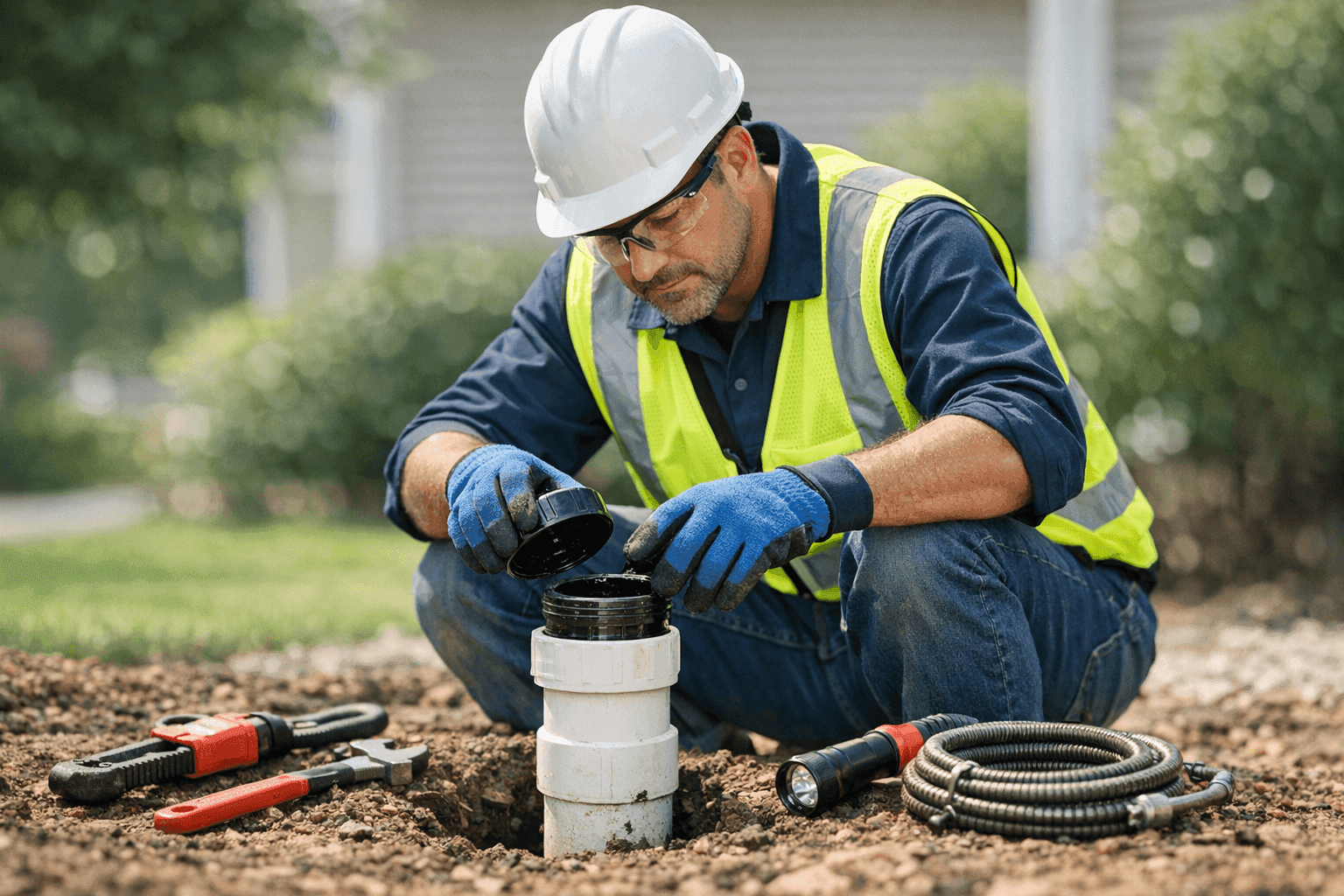
Is something strange happening with your plumbing? Maybe your tub and toilet are both slow to drain. Or, there’s that odd, sour odor wafting up from your basement. Sewer line clogs can sneak up on any home—often when you least expect it.
You don’t have to be a plumbing expert to spot early warning signs. Knowing what to look out for can help you avoid messy, costly disasters down the road. Let’s break down the clues, causes, and solutions so you can act fast and keep your home safe.
Signs of a Clogged Sewer Line
You can think of your sewer line as the main highway for wastewater leaving your home. When it’s blocked, everything gets backed up. Here’s how to tell your sewer line might be clogged:
Multiple Drains Slow, Gurgling, Odor 🛑
- Multiple Slow Drains: If your tub, sink, and toilet are all draining slowly at the same time, it’s rarely a coincidence. It’s like a traffic jam on every exit ramp.
- Gurgling Sounds: Hear bubbling or gurgling from your drains or toilet? That’s trapped air fighting to escape past a blockage.
- Unpleasant Odors: A strong, rotten egg smell or sewer gas coming from floor drains, tubs, or toilets means waste isn’t moving as it should.
Water Backups and Overflow
- Toilet Water Rising (or Bubbling): If flushing the toilet causes water to rise in the shower or tub, your main line is likely blocked.
- Basement Floor Drains Flooding: Sewage backing up into lower-level drains is a serious red flag.
Odd Reactions in Unused Fixtures
- Running Water Elsewhere: Turning on your washing machine causes water to bubble up in your kitchen sink? That’s a classic sign of a deeper issue.
Causes of Sewer Clogs
Why do sewer lines clog up in the first place? It’s not always what you’d expect.
- Tree Roots: Roots hunt for moisture and can squeeze into tiny pipe cracks, eventually causing a full blockage.
- Grease & Fat: Pouring grease down the drain is like sticking glue in your pipes. Over time, it hardens and narrows the passage.
- Flushed Non-Flushables: “Flushable” wipes, paper towels, and hygiene products don’t break down like toilet paper and can snag inside pipes.
- Aging or Damaged Pipes: Older homes are especially vulnerable to shifting soil, corrosion, and pipe collapse.
According to the [Uniform Plumbing Code], improper disposal and pipe materials are leading contributors to residential clogs.
When It’s an Emergency
A clogged sewer line isn’t just an inconvenience—it can quickly become a health hazard. If you notice:
- Sewage coming up through drains
- Persistent foul smells
- Multiple fixtures backing up at once
Stop using your water immediately and contact a plumber. If you’re in a rush and need local support, residents can always check service options for Pine Bluff and surrounding areas.
Quick Safety Checklist Before Help Arrives
- Stop Water Usage: Avoid running water anywhere in your home.
- Turn Off Appliances: Shut off washing machines and dishwashers.
- Keep Children and Pets Away: Prevent contact with standing water or overflow.
- Ventilate: Open windows if you smell sewer gas.
DIY vs. Call a Pro
Some minor clogs can be handled with a plunger or drain snake. But if you’re facing multiple slow drains, backups, or recurring issues, it’s time to bring in a pro.
What’s Safe to Try
- Plunge slow drains gently—avoid chemical drain cleaners, which can damage pipes.
- Snake a single blocked fixture if you’re comfortable and know how.
When to Step Back
- Never remove a toilet or cleanout cap if you’re unsure—pressure from a backed-up main line can release raw sewage.
- Sewer gas exposure is hazardous. If you smell strong odors, leave the area.
Professional Sewer Line Diagnosis
When you call a plumber for sewer line trouble, here’s what to expect:
- Camera Inspection: Plumbers use a high-definition camera to look inside your sewer line and pinpoint the blockage.
- Locating the Issue: The camera helps identify root intrusion, collapsed pipes, or severe buildup.
- Clear Communication: You’ll get a clear explanation of what’s wrong and your best options for repair.
Curious about what a modern sewer inspection involves? Our sewer line inspection process uses industry-standard equipment and follows current plumbing codes for safety and accuracy.
What Happens During Sewer Line Repair?
If your inspection reveals a blockage or damaged section, repair options vary:
- Snaking or Jetting: Removes clogs with mechanical force or high-pressure water.
- Spot Repairs: Damaged pipe sections can be dug up and replaced.
- Full Replacement: Severely aged or collapsed lines may require trenchless or traditional replacement.
Every home is different—factors like pipe age, tree root growth, and soil conditions influence the best repair strategy.
Prevention and Maintenance
A little prevention goes a long way:
- Dispose of Grease Properly: Wipe out pans with paper towels; never pour fat down drains.
- Flush Only Toilet Paper: Even “flushable” wipes can cause problems.
- Schedule Annual Inspections: Especially if your home is older or you’ve had past issues.
- Clear Roots Early: Professional root removal can prevent major breaks.
Seasonal Considerations
Spring thaws and heavy rain can overwhelm older sewer systems. Tree roots grow faster in warmer months, seeking out hairline pipe cracks. After big weather events, keep an eye on your drains for slowdowns or new odors.
Common Mistakes to Avoid
- Ignoring Early Signs: Waiting too long turns a small clog into a full-blown backup.
- Using Harsh Chemicals: Store-bought drain cleaners can eat away at pipes and worsen the problem.
- DIY Overreach: Attempting major repairs without the right tools or knowledge can make things worse.
Timeline & Disruption: What to Expect
Most inspections take under two hours. Repairs can range from same-day snaking to multi-day pipe replacement, depending on severity and access. Your plumber should always explain what’s happening and minimize disruption to your routine.
Costs & Budget Factors
- Inspection Fees: Camera inspections are affordable and can save thousands by catching problems early.
- Repair Costs: Pricing depends on length of pipe, depth, and repair type. Get a clear, written estimate before work begins.
FAQ: Sewer Line Clogs
Q: Will insurance cover sewer repairs?
A: Some policies include coverage for sewer line breaks—check your plan or ask your provider.
Q: How often should I have my sewer line inspected?
A: Annually for older homes, or after any major plumbing issues.
Q: What if my neighbor’s tree causes a clog?
A: Roots don’t respect property lines. Talk to your neighbor and consult your plumber for solutions.
Preparing for Service
Clear access to the main sewer cleanout (often outside or in the basement). Move pets to a safe spot. Make a quick list of when you first noticed symptoms, and which fixtures are affected.
Final Thoughts: Don’t Ignore the Signs
Your plumbing works hard every day. If you notice slow drains, odd noises, or bad smells, don’t chalk it up to “just old pipes.” Early attention makes all the difference.
Call Julius La Rosa Plumbing now — or reach us anytime at 855-598-5280 .