How to Shut Off Your Water in an Emergency
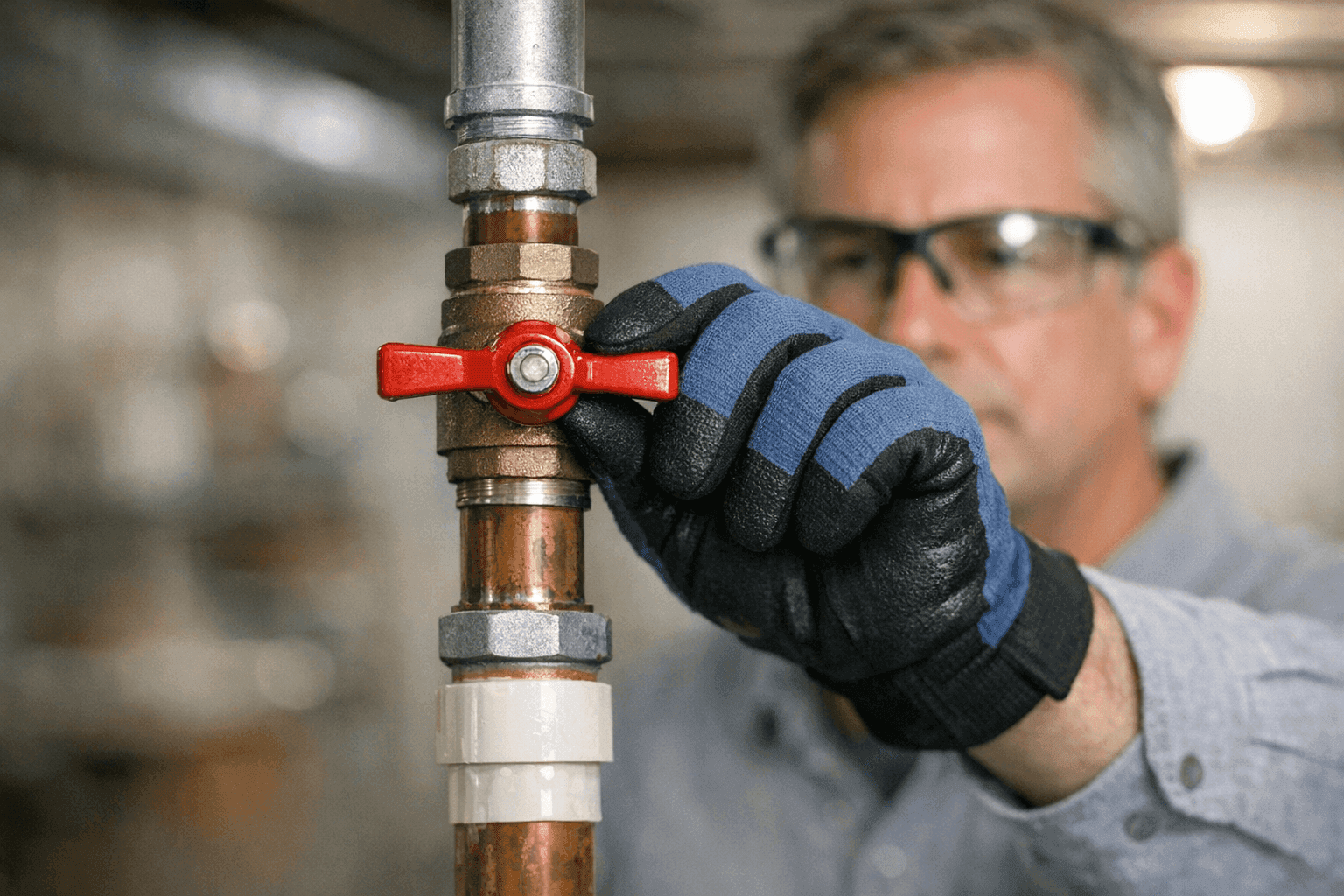
Why Every Homeowner Needs to Know This
Picture this: you come home to the sound of water rushing where it shouldn’t be. Maybe it’s a burst pipe in the basement, or water pouring from under the sink. In that moment, minutes matter. Knowing how to shut off your water can be the difference between a quick fix and thousands in repairs.
At Julius La Rosa Plumbing, we’ve seen the aftermath when folks don’t act fast. Water damage creeps in like a slow fog, soaking walls, warping floors, and inviting mold. But with a little preparation, you can stop disaster in its tracks.
What Counts as a Plumbing Emergency?
Not all leaks are created equal. Here’s when you need to act immediately:
- Water spraying or gushing from pipes, fixtures, or appliances
- Flooding in basements, bathrooms, or kitchens
- Overflowing toilets that won’t stop
- Major leaks from water heaters or washing machines
When water is escaping uncontrollably, it’s an emergency. Don’t wait—every second counts.
Quick Safety Checklist Before You Begin 🚨
Before you rush to the shutoff, pause for a beat. Safety comes first:
- Electricity and water don’t mix. If water is near outlets or appliances, turn off power at the breaker box.
- Don’t wade into deep water. If the area is flooded, avoid stepping in.
- Keep kids and pets clear. Make sure the area is safe for everyone.
If there’s any doubt, call for help right away.
Finding Your Main Water Shutoff Valve
Every home has a main shutoff valve—the master switch for your water supply. The trick is knowing where to look. Think of it like the front door to your water system.
In Basements or Crawlspaces
Most commonly, you’ll find the valve where the main water line enters your house. This is often:
- Along the front foundation wall
- Near the water meter
- Close to where your water heater is located
Look for a round wheel handle or a lever-style valve.
In Slab Homes or Homes Without Basements
If you don’t have a basement, check:
- Inside a utility closet or laundry room
- In the garage, near the water heater or front wall
- Outside, along the exterior wall closest to the street
Sometimes, the shutoff is in a box buried just outside your home—lift the lid to access it.
In Apartments and Condos
If you’re in a multi-unit building, your shutoff may be:
- Under the kitchen sink
- In a bathroom access panel
- In a shared utility room (ask building management if you’re unsure)
Step-by-Step: How to Shut Off the Water
Once you’ve found the valve, here’s what to do:
- Turn the valve clockwise (right) to close. If it’s a lever, turn it perpendicular to the pipe.
- Open a faucet (preferably in the lowest part of the house) to relieve pressure and drain remaining water.
- Check that water has stopped at the problem area.
It’s as simple as turning off a garden hose—just a bit heavier duty.
What If the Valve Won’t Budge?
Sometimes, old valves stick. If you can’t turn it by hand:
- Use a wrench, but don’t force it too hard—you don’t want to break the pipe.
- If it feels frozen or rusted, stop and call a professional.
- In winter, valves can freeze. A hairdryer (on low) can help thaw, but never use an open flame.
After the Water Is Off: Next Steps
You’ve stopped the flow—now what?
- Mop up standing water to limit damage.
- Move belongings out of wet areas.
- Take photos for insurance if there’s significant damage.
- Call your plumber to fix the root cause before turning water back on.
For issues like leaks under your sink or garbage disposal trouble, you might need garbage disposal repair near you.
When to Call an Expert (and Why Fast Action Matters)
Some plumbing problems are bigger than a wrench and elbow grease. If you notice:
- Water keeps leaking even after shutoff
- Pipes are damaged, cracked, or burst
- You’re not sure where the leak is coming from
It’s time for professional help. Response time matters—water can ruin drywall, insulation, and flooring in hours. If you’re in central Iowa, Ankeny plumbing services are available for fast, local support.
DIY or Call a Pro? Knowing Your Limits
Turning off your water is something every homeowner can do. But repairs—especially with gas lines, sewer pipes, or major leaks—should be left to licensed plumbers. The stakes are high, and code compliance matters. The International Plumbing Code and local regulations exist for your safety.
Preventing Emergencies: Maintenance Tips
A little prevention saves a lot of panic:
- Inspect pipes for drips or corrosion every season.
- Know where your shutoff is—label it for guests or babysitters.
- Test the valve twice a year to keep it moving freely.
- Replace old, stiff valves before they fail.
Common Mistakes to Avoid
- Ignoring small leaks—they rarely stay small.
- Forgetting to open a faucet after shutting off the main (can cause pressure build-up).
- Using brute force on stuck valves, which can break pipes.
What Pros Do When They Arrive
A licensed plumber will:
- Inspect the source of the leak
- Assess for hidden damage (behind walls, under floors)
- Repair or replace broken pipes, valves, or fixtures
- Test the system before restoring water
They’ll also check for code compliance and safety, so you’re not left with surprises down the road.
Timeline & Disruption: What to Expect
Most emergency shutoffs take minutes, but repairs can take longer:
- Small leaks: 1–2 hours to fix
- Burst pipes: Several hours or more, depending on access
- Water damage restoration: Days to dry out and repair
Plan for some disruption, but quick action keeps it to a minimum.
Seasonal Considerations: Winter & Beyond ❄️
Cold snaps can freeze pipes. In winter:
- Insulate exposed pipes.
- Know your shutoff’s location before pipes freeze.
- Let faucets drip during deep freezes to keep water moving.
Spring and summer bring heavy rains—check sump pumps and backflow valves to prevent flooding.
Materials and Equipment: What Helps
Keep these on hand for emergencies:
- Flashlight (valves are often in dark corners)
- Adjustable wrench
- Towels, mops, and buckets
- Phone number for your plumber (program it in now)
Frequently Asked Questions
How often should I test my shutoff valve?
Twice a year is a good rule of thumb—spring and fall.
Is shutting off the main valve safe for all plumbing?
Yes, but remember to open a faucet after shutting off to relieve pressure.
Can I shut off water to just one area?
Some homes have localized shutoffs (under sinks, behind toilets). Use these for small repairs.
What if I rent?
Ask your landlord or building manager where the main shutoff is located.
Preparing for Service: What to Do Before the Plumber Arrives
- Clear access to the shutoff and problem area.
- Move valuables and electronics away from water.
- Write down what happened and when—it helps with troubleshooting.
Staying Calm and Prepared
Emergencies are stressful, but a little knowledge goes a long way. Knowing how to shut off your water puts control back in your hands. You’re not just saving your home—you’re buying precious time for repairs.
Call Julius La Rosa Plumbing now — or reach us anytime at 855-598-5280 .