How to Safely Use and Maintain a Garbage Disposal
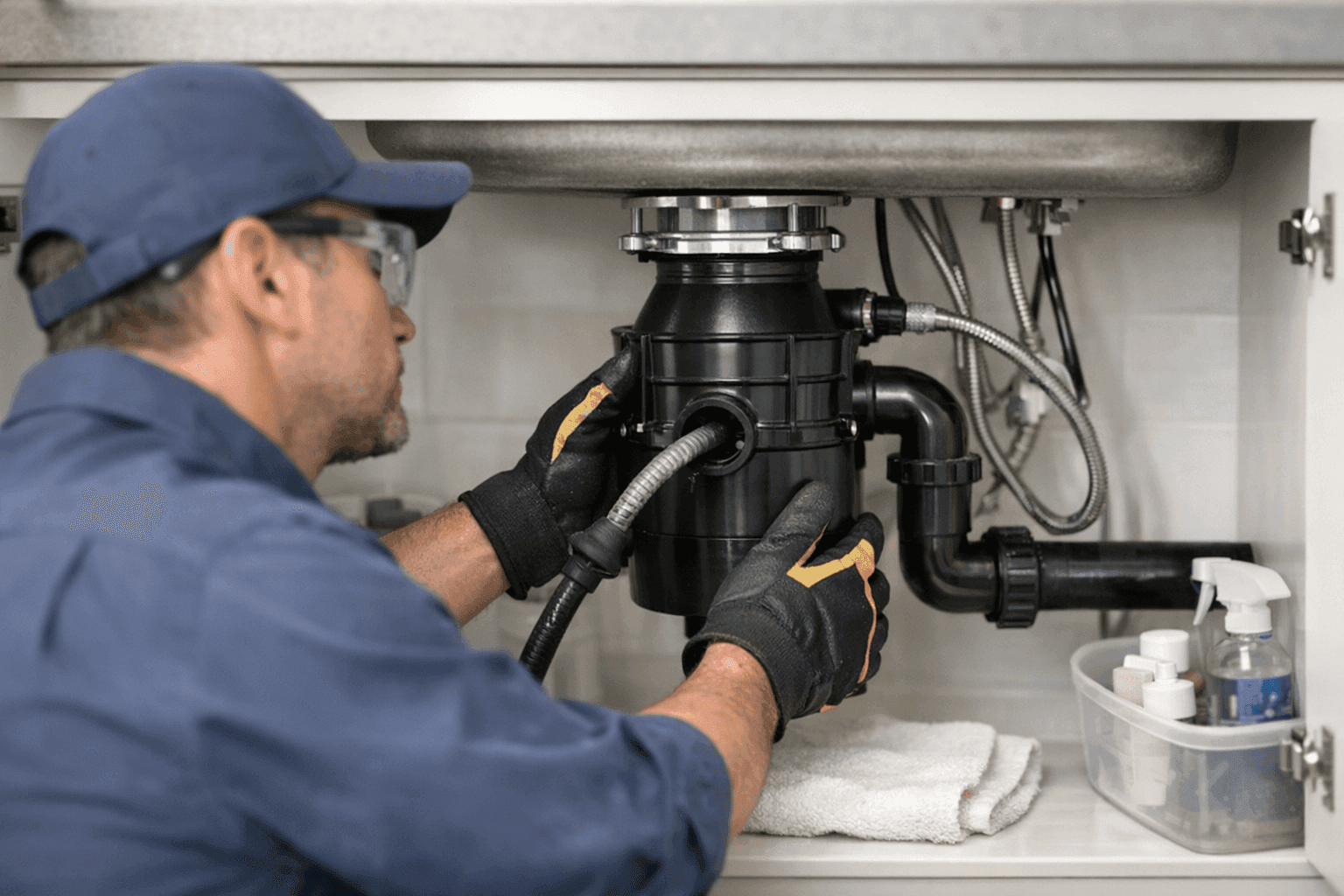
Garbage disposals are a modern kitchen marvel—until they aren’t. A sudden clog, a strange noise, or a bad smell can turn your helpful appliance into a source of stress. At Julius La Rosa Plumbing, we know how important it is to keep your disposal running smoothly, safely, and for as long as possible.
With the right habits, you can avoid most headaches. And when trouble pops up, you’ll know exactly what to do. Let’s dig into safe use, smart maintenance, and when it’s time to call a pro.
Safe Use of Garbage Disposals ⚡
A garbage disposal isn’t a magic portal for anything you want to get rid of. Think of it as a hardworking helper with limits. Treating it gently means fewer breakdowns and safer operation.
Quick Safety Checklist:
- Always run cold water before, during, and after use.
- Only feed small amounts of food at a time—never stuff it full.
- Never put your hand inside, even if the power is off.
- Use tongs or pliers to remove objects, not your fingers.
- If it jams, turn off the power at the breaker before investigating.
According to the Consumer Product Safety Commission, most disposal accidents involve hands in the unit. Stay safe: when in doubt, keep your hands out.
Maintenance and Cleaning Tips
Just like any tool, your garbage disposal needs regular care. Simple habits can keep it fresh and functional.
Weekly Maintenance Steps:
- Run the disposal with cold water for 30 seconds after each use.
- Drop in a few ice cubes and a splash of rock salt; this scrubs the blades and clears buildup.
- Freshen with citrus peels—lemon or orange rinds help fight odors.
Monthly Deep Clean:
- Pour a half cup of baking soda into the disposal, then a cup of vinegar. Let it fizz for 5–10 minutes. Rinse with hot water.
- Use a small brush to gently clean the rubber splash guard.
These steps help prevent the buildup that leads to clogs and smells. The National Kitchen & Bath Association recommends regular cleaning to extend the life of your disposal.
What Not to Put Down the Disposal 🚫
Some kitchen scraps are a recipe for trouble. Think of your disposal like a sturdy but sensitive machine—it can handle a lot, but not everything.
Avoid putting these down your disposal:
- Grease, fats, and oils (they harden and clog pipes)
- Fibrous foods (celery, corn husks, artichokes)
- Coffee grounds (they clump and block drains)
- Eggshells (membranes can wrap around blades)
- Bones, fruit pits, or seafood shells (too hard)
- Pasta, rice, or bread (they swell with water and gum up the works)
- Non-food items (glass, metal, plastic)
If you’re ever unsure, toss it in the trash instead. Your disposal—and your plumbing—will thank you.
Signs Your Disposal Needs Attention
Even with the best care, disposals can run into trouble. Listen to what your appliance is telling you.
Common warning signs:
- Strange noises (grinding, rattling, humming)
- Bad smells that won’t go away
- Water backing up in the sink
- Poor grinding or slow draining
- Frequent resets needed
If you notice any of these, don’t ignore them. Small problems can quickly become big ones.
DIY Fixes for Minor Issues
Some disposal hiccups are easy to handle. Before you panic, try these safe steps:
- Reset: Press the red reset button on the bottom of the unit.
- Unjam: Use an Allen wrench in the bottom socket to gently turn and free the blades (always with the power off).
- Flush: Run cold water and let the disposal run empty for a minute.
If these don’t solve the problem, it may be time for professional help.
When to Call a Pro
There are times when DIY just isn’t enough. Electrical issues, persistent leaks, or repeated clogs spell trouble that needs a trained hand.
If you’re dealing with stubborn jams, leaks under the sink, or a disposal that won’t turn on, it’s safest to get help. Attempting repairs without proper know-how can lead to bigger problems—or even injury.
For homeowners seeking reliable garbage disposal repair, a licensed plumber brings the right tools and experience to fix the issue safely.
How Pros Handle Disposal Repairs 🛠️
When a plumber arrives, they’ll start by checking the power, examining the wiring, and inspecting the unit for damage. Sometimes, the fix is simple—a loose wire, a tripped breaker, or a jammed impeller. Other times, the disposal may need to be replaced.
A professional will also look for hidden issues: leaks in the drain line, faulty seals, or problems with your sink’s plumbing. Their goal? Get you back to normal with as little disruption as possible.
Emergency Situations: What to Do
If you smell burning, see sparks, or notice water pooling under your sink, turn off the power at the breaker and stop using the disposal immediately. Water and electricity are a dangerous mix. Don’t risk it—call for help.
For those needing plumbing services in Yakima, local support is available for urgent disposal and kitchen plumbing emergencies.
Seasonal Considerations
Holidays and big family gatherings can put extra strain on your disposal. More cooking means more scraps—and more chances for a clog. Remind guests what’s safe to put down the drain, and run the disposal often to keep things moving.
In colder months, avoid pouring grease down the drain; it cools quickly and can cause blockages further down the line.
Preventing Clogs and Backups
A few simple habits go a long way toward keeping your disposal—and your pipes—clear:
- Always run plenty of cold water.
- Feed scraps slowly, not all at once.
- Avoid stringy or starchy foods.
- Clean the disposal regularly.
If you notice water backing up, stop using the unit and address the problem before it gets worse.
The Role of Kitchen Plumbing in Disposal Health
Your garbage disposal is just one part of your kitchen’s plumbing system. Clogs in the drain or vent pipes can affect how well your disposal works. Regular drain cleaning and timely repairs help prevent bigger issues.
If you’re remodeling your kitchen or replacing your sink, it’s a good time to have your disposal and pipes inspected.
Common Mistakes to Avoid ❌
- Using hot water while grinding (it can melt fats, which then harden further down)
- Ignoring leaks, even small ones
- Overloading the disposal
- Using chemical drain cleaners (they can damage the unit and pipes)
- Skipping regular cleaning
Remember: a little prevention beats a big repair bill.
Materials and Tools for Safe Operation
Keep a pair of tongs or long-handled pliers near your sink for retrieving dropped objects. Never rely on your hands. A sturdy flashlight helps you see inside the unit safely.
For cleaning, stick to natural solutions like baking soda, vinegar, and citrus peels. Harsh chemicals can damage your disposal and pipes.
FAQ: Garbage Disposal Safety and Care
Q: Can I sharpen my disposal blades with ice?
A: Ice helps clean and knock debris off the impellers, but disposals use blunt, not sharp, blades.
Q: My disposal is humming but not spinning. What should I do?
A: Turn off the power and try manually freeing the blades with an Allen wrench. If it’s still stuck, call for help.
Q: Are disposals safe for septic systems?
A: Use with caution—some septic systems can be overwhelmed by extra solids. Check local codes and manufacturer recommendations.
Timeline and Disruption: What to Expect
Most garbage disposal repairs take less than an hour for a professional. Replacement can take a bit longer, especially if new plumbing connections are needed. Your kitchen may be out of commission briefly, but a skilled plumber works to minimize disruption.
Final Thoughts: Safety First, Longevity Always
A little care keeps your garbage disposal humming and your kitchen running smoothly. Safe habits, regular cleaning, and knowing when to call for help make all the difference.
If you ever need a hand, Julius La Rosa Plumbing is here to help—whether it’s routine care, a tricky repair, or a full kitchen upgrade.
Call Julius La Rosa Plumbing now — or reach us anytime at 855-598-5280 .