How to Safely Use Chemical Drain Cleaners (And When Not To)
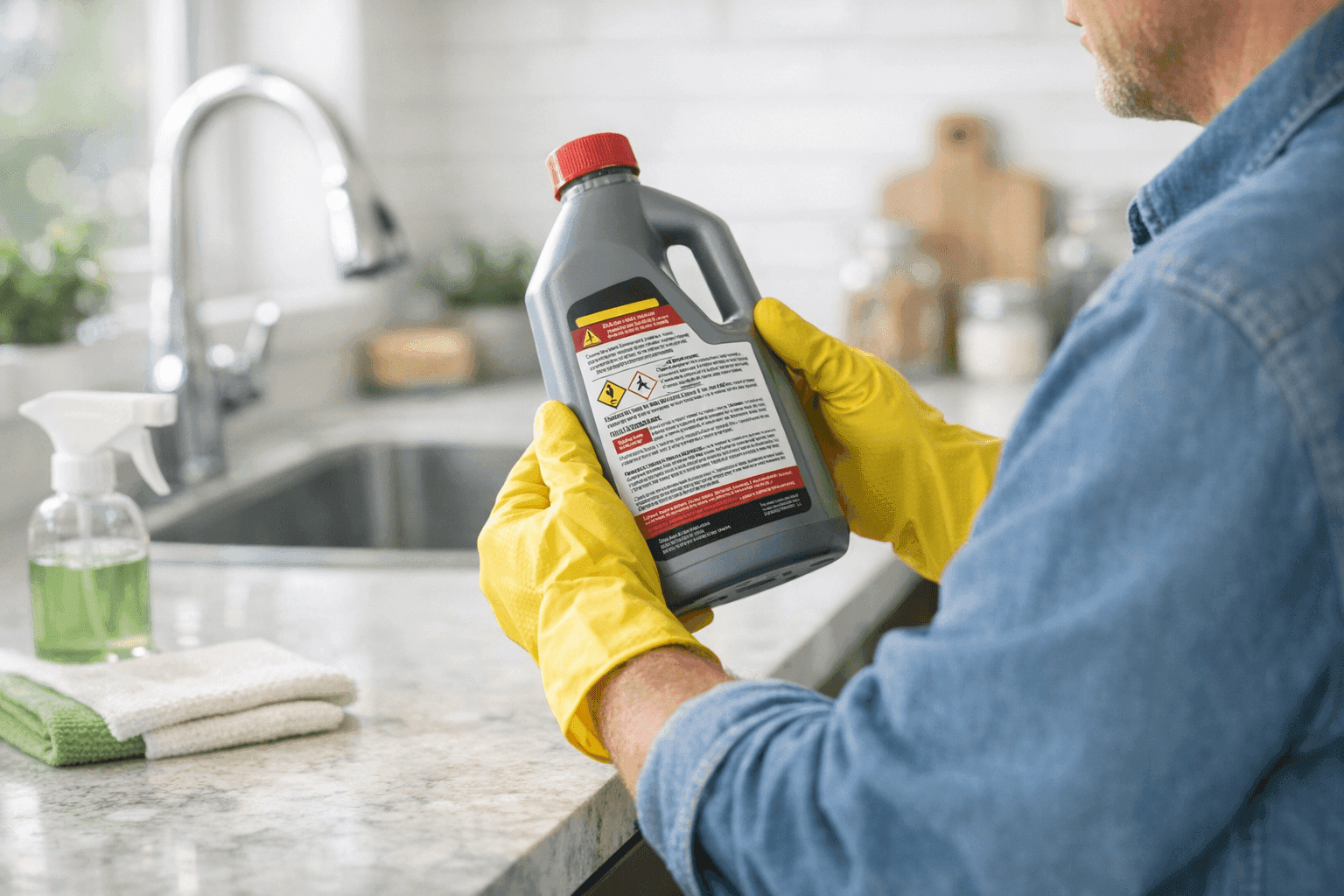
You’re standing over a slow drain, bottle of chemical cleaner in hand, wondering if this is really the best way to fix the problem. The water’s not moving, and frustration is rising. You want results—fast—but you’re also worried about what harsh chemicals might do to your pipes, your health, or even your family.
At Julius La Rosa Plumbing, we understand the urge to reach for a quick fix. But before you pour, let’s talk about what chemical drain cleaners actually do, the risks they carry, and when it’s safer (and smarter) to try something else.
What Do Chemical Drain Cleaners Really Do?
Think of chemical drain cleaners like a heavy-duty paint thinner for your pipes. They break down organic blockages—hair, grease, food scraps—using powerful reactions. Some bubble, some heat up, some dissolve, all in hopes of clearing the path.
But what’s out of sight isn’t always out of mind. The same chemicals that clear your clog can eat away at some types of pipe, or even linger in your plumbing, waiting to react with something else.
Pros and Cons: The Double-Edged Sword
Let’s break it down:
Pros
- Fast results on minor, organic clogs.
- Affordable and easy to buy.
- No tools required.
Cons
- Can damage older or PVC pipes over time.
- Dangerous if mishandled—skin burns, lung irritation, and toxic fumes.
- Often only a temporary fix; doesn’t address root causes.
- Harmful to the environment if overused or flushed into groundwater.
When you weigh the pros and cons, remember: what’s quick for a clog might be risky for your home’s plumbing.
Safety Steps Before You Start ⚠️
Chemical drain cleaners are more like wild animals than household helpers. Handle with care:
- Read the label—front to back. Every brand is different.
- Wear gloves and eye protection. Even one splash matters.
- Ventilate the room. Open windows or run a fan.
- Never use a plunger right after pouring chemicals. It can splash caustic cleaner onto your skin or face.
- Keep kids and pets away. Set up a “no-go” zone.
- Never pour into a garbage disposal without checking the product label. Many cleaners specifically warn against this.
Mixing Chemicals: Just Don’t
Mixing different chemical drain cleaners is like mixing baking soda and vinegar… but much more dangerous. Some combinations release toxic gases. Others can react violently, even causing explosions in confined pipes.
Never combine:
- Two different brands of chemical cleaner.
- Chemical cleaners and bleach.
- Chemical cleaners and natural acids (like vinegar).
If you’re not sure what’s already in the drain, flush with plenty of water and wait at least 24 hours before trying a new product.
Common Damage Risks: What Can Go Wrong?
Sometimes, using a chemical cleaner is like trying to fix a leaky boat with duct tape. You might see quick results, but you set yourself up for bigger headaches.
Risks to watch out for:
- Corrosion of metal pipes (especially older homes).
- Weakening and warping of PVC pipes.
- Permanent damage to the rubber seals in garbage disposals.
- Accidental burns to skin or eyes.
- Lingering fumes in poorly ventilated spaces.
If you notice any odd smells, discoloration around the drain, or persistent leaks after using a cleaner, stop and investigate—or call for help.
Natural Alternatives: Gentler Ways to Clear Clogs 🌱
Not every clog needs chemical muscle. Sometimes, a little patience and elbow grease go a long way.
Try these first:
- Boiling water: Pour slowly, in stages, to melt grease.
- Baking soda and vinegar: Pour baking soda, then vinegar; cover with a drain plug, wait 15 minutes, then flush with hot water.
- Manual snake or plunger: Sometimes old-school is best.
- Enzyme-based cleaners: These use natural bacteria to “eat” organic matter. Slower, but safer for pipes and the planet.
Natural options won’t always work on stubborn blockages, but they’re far less likely to damage your plumbing—or your health.
What Never to Pour Down Your Drains
Some household products should never meet your pipes, no matter how clogged things get:
- Paint thinners, solvents, or oils.
- Bleach mixed with anything else.
- Sand or construction debris.
- Coffee grounds or fibrous food waste (especially in garbage disposals).
- Unused medications.
These can settle, solidify, or react badly—causing more problems than they solve.
Signs You Need a Professional Plumber 🚨
Some problems just can’t be solved with chemicals, elbow grease, or even the strongest plunger. If you run into any of these, it’s time to call in the pros:
- Water backing up in multiple fixtures (toilet, tub, and sink).
- Recurring clogs, especially in the same spot.
- Slow drains in every room.
- Gurgling or bubbling sounds from pipes.
- Unexplained wet spots, stains, or mold.
- Chemical cleaner doesn’t move the clog after two tries.
If you’re dealing with persistent blockages or suspect damage, you may need Garbage Disposal Repair near you—waiting can make the problem worse.
What Plumbers Do Differently
When you call Julius La Rosa Plumbing, you’re not just getting a stronger cleaner. You get a full checkup:
- Video camera inspections to spot hidden blockages and pipe damage.
- Safe, mechanical methods (snakes, hydro-jetting) that clear tough clogs without harming pipes.
- Repairs for leaks, corrosion, or broken seals—right at the source.
- Advice on preventing future clogs and keeping your plumbing healthy.
Professional help isn’t just about clearing a drain—it’s about protecting your whole home.
Preventing Future Clogs: Habits That Matter
Like brushing your teeth to avoid cavities, a few small habits keep your drains running clean:
- Use sink strainers to catch hair and food scraps.
- Don’t pour grease or oil down the drain—wipe pans with a paper towel first.
- Run cold water while using the garbage disposal.
- Flush drains with hot water once a week.
- Schedule routine drain cleaning to catch buildup early.
Prevention saves you time, money, and the stress of emergency plumbing visits.
What If You Have Old Pipes?
Many older homes have metal pipes that don’t play well with modern chemical cleaners. If you live in a pre-1970s house, it’s smart to check what kind of plumbing you have before using chemicals. If in doubt, call a plumber for advice.
When It’s an Emergency
Some situations can’t wait—like sewage backing up, water flooding the basement, or a suspected gas leak. If you’re in a pinch and need help right away, local plumbers are available to respond quickly. In fact, you can check availability in your area, such as support for homeowners in Commerce City.
The Environmental Angle: Why It Matters
Everything you put down the drain eventually winds up somewhere—rivers, lakes, groundwater. Overuse of chemical cleaners can harm wildlife and even enter water supplies (EPA guidelines warn about this). When possible, use eco-friendly options and proper disposal methods.
How Much Time and Money Can You Save?
While a $10 bottle of cleaner might seem cheaper than a service call, repeated use leads to costly pipe repairs, fixture replacements, or even digging up your yard. Investing in safe habits—and professional help when needed—protects your wallet in the long run.
Seasonal Tips: When Drains Clog Most
Holiday cooking, winter freezes, or spring thaws can all increase the odds of drain trouble. Take extra care during these high-risk times—never use chemical cleaners in frozen pipes, as they can cause dangerous reactions or burst pipes.
Frequently Asked Questions
Q: Can I use chemicals in my toilet?
A: Most chemical cleaners aren’t designed for toilets and can damage seals or the porcelain itself. Use a plunger or call for help.
Q: How long should I wait before using the sink after pouring a cleaner?
A: Follow the label exactly—usually 15–30 minutes, then flush with plenty of water.
Q: Why is my drain still slow after using chemicals?
A: The blockage may be too deep, made of non-organic material, or there might be pipe damage. This is a sign you need a professional inspection.
Final Thoughts: Choose Health, Safety, and Long-Term Solutions
Chemical drain cleaners can be helpful in rare, specific situations. But they are only one tool—and not always the best one. Your health, your pipes, and the environment all matter. When in doubt, start with a safer method, and don’t hesitate to ask for help.
Call Julius La Rosa Plumbing now — or reach us anytime at 855-598-5280 .