How to Safely Shut Off Your Home’s Water Supply
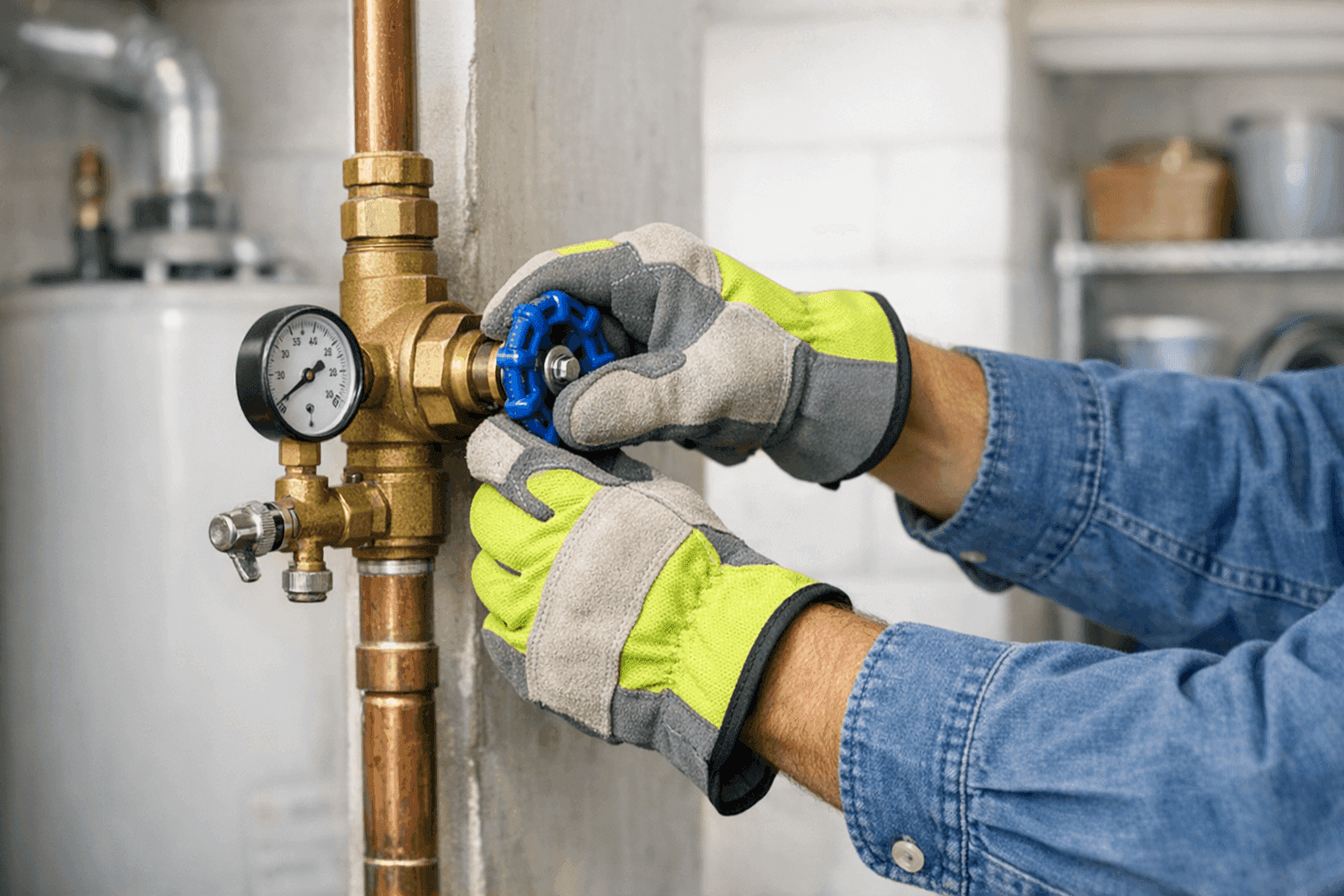
Water can be a force for good—cooking, cleaning, even the sound of a hot shower. But when a pipe bursts or a fixture fails, that same water can turn your peaceful home into a soggy mess. Suddenly, time matters. Knowing how to shut off your home’s water supply is like having a fire extinguisher for plumbing disasters.
At Julius La Rosa Plumbing, we believe every homeowner should have this essential skill. It’s not just about saving your floors—it's about protecting your investment, your family, and your peace of mind.
Why and When to Shut Off Water
Imagine waking up to the sound of rushing water where it shouldn’t be. Or noticing a steadily growing puddle under your kitchen sink. These are red flags—moments when shutting off your water isn’t just wise, it’s urgent.
Common reasons to shut off your water:
- A major leak or burst pipe
- Overflowing toilet or clogged fixture
- Before plumbing repairs or upgrades
- When leaving your home for extended periods (think vacations)
- During natural disasters or severe weather events
Turning off the water quickly can mean the difference between a minor inconvenience and thousands of dollars in damage. The International Association of Certified Home Inspectors (InterNACHI) recommends every household member know the location of the main shutoff valve.
Locating Your Water Main 🚰
Every home has a main water shutoff valve, but finding it can feel like a treasure hunt—especially in a crisis. Don’t wait until you’re ankle-deep in water to look.
Where to look:
- Basement or crawl space: Often near the front foundation wall, where the water line enters your home.
- Utility room or garage: Trace the pipe from where it enters the house.
- Outside: In warmer climates, look near an exterior wall or in an underground box close to the street.
The valve itself might look like a round wheel (gate valve) or a straight lever (ball valve). If your home is older, it might be painted over or a bit stubborn to turn.
Pro tip: Attach a tag or label to the valve so everyone in your household knows where it is.
Step-by-Step Shutoff Instructions
When seconds count, clarity matters. Here’s how to shut off your water safely and confidently:
- Stay Calm. Panic leads to mistakes. Take a deep breath.
- Find the Valve. Use a flashlight if needed. Clear away any clutter.
- Turn the Valve:
- Gate valve (round wheel): Turn it clockwise (“righty-tighty”) until it stops. Don’t force it.
- Ball valve (lever): Turn the handle 90 degrees so it’s perpendicular to the pipe.
- Test a Faucet. Open a faucet in your lowest floor (like the basement laundry sink) to drain remaining water and confirm the flow has stopped.
- Check for Leaks. Inspect the area around the shutoff for drips or signs of corrosion.
Safety first: If the valve is stuck, don’t use excessive force. A broken valve can make things worse—call a professional if you’re unsure.
What to Do After Shutoff
With the water stopped, you’ve bought yourself precious time. But what comes next?
- Mop up standing water to prevent slips and further damage.
- Document the issue with photos—helpful for insurance claims.
- Address the cause: If it’s a burst pipe, leave the repair to qualified plumbers.
- Don’t turn the water back on until the problem is fixed. Turning it on too soon can make a small leak much worse.
If you notice water stains, bubbling paint, or musty smells, you might be dealing with hidden leaks. In these cases, consider leak repair to address the problem at its source and prevent future headaches.
Quick Safety Checklist 🛑
Before you reach for that valve, check these safety basics:
- Wear shoes with good grip—wet floors are slippery.
- Use gloves if you’re dealing with dirty or contaminated water.
- Avoid electrical outlets or appliances near water.
- If you smell gas or see sparks, leave the area and call emergency services.
Safety isn’t just about plumbing—it’s about your well-being.
DIY vs. Call a Pro
Some shutoff situations are straightforward. Others? Not so much.
DIY is usually safe when:
- The valve is accessible and turns easily.
- The leak is small and contained.
- You’re comfortable working with basic plumbing.
Call a plumber if:
- The valve is stuck, corroded, or damaged.
- The leak is gushing or you can’t find its source.
- You’ve shut off the water, but the problem persists.
A professional will assess the situation, make repairs, and ensure everything is up to code. According to the Uniform Plumbing Code (UPC), repairs to main water lines should be handled by licensed professionals for safety and compliance.
What Pros Do On Arrival
When Julius La Rosa Plumbing arrives, we do more than twist a valve. Our team:
- Inspects the shutoff and surrounding pipes for damage
- Locates the precise source of the leak or failure
- Uses specialized tools to repair or replace faulty parts
- Tests the system for leaks and restores water safely
We also provide advice on preventative measures to help you avoid future issues.
Prevention & Maintenance Tips
The best plumbing emergency is the one that never happens. Here’s how to stay ahead:
- Test your shutoff valve twice a year—turn it off and on to ensure it moves freely.
- Insulate pipes in cold areas to prevent freezing and bursts.
- Check for corrosion or mineral buildup around valves and pipes.
- Schedule annual plumbing inspections to catch small problems early.
A little maintenance goes a long way toward peace of mind.
Costs & Time Factors
Shutting off your water is free—fixing the cause of the problem varies. Minor leaks may need a quick part replacement, while burst pipes or major failures can be more involved.
- Time to shut off water: Usually 1-3 minutes if you know the valve’s location.
- Repair costs: Range from a few dollars for washers to more for pipe replacement or professional services.
Insurance may cover certain water damage claims, but only if you act quickly and responsibly.
When It’s an Emergency
A true plumbing emergency is like a ticking clock. If water is flooding your home, or you can’t stop a leak, don’t wait.
Julius La Rosa Plumbing offers fast, responsive emergency plumbing help. For homeowners seeking plumbing services in Lincoln, our team is available around the clock to restore your home’s safety.
Seasonal Considerations ❄️
Winter brings frozen pipes. Summer storms can cause sewer backups. Each season has its hazards.
- Winter: Keep your home heated, insulate exposed pipes, and know where your shutoff is in case of a freeze.
- Spring/Summer: Heavy rains can overwhelm sump pumps and drains—test your systems before storm season.
Preparation is your best defense.
Common Mistakes to Avoid
Even seasoned homeowners slip up. Watch for these pitfalls:
- Waiting too long to shut off water—act at the first sign of trouble.
- Using excessive force on stuck valves.
- Forgetting to turn off water before repairs.
- Not testing faucets to confirm water is off.
- Overlooking hidden leaks or water stains.
Remember: It’s better to shut off water unnecessarily than to wait until it’s too late.
Signs of Trouble
How do you know if you need to shut off your water? Watch for:
- Unexplained puddles or damp spots
- Hissing, dripping, or running water sounds
- Drop in water pressure
- Sudden spike in your water bill
- Water stains on ceilings or walls
These are your early warning signs—don’t ignore them.
Timeline & Disruption
A shutoff can last minutes or hours, depending on the repair. Plan for:
- No water for drinking, cooking, or flushing toilets
- Temporary inconvenience—fill buckets or pitchers ahead if possible
- Possible need for bottled water or alternate facilities if repairs take longer
Communication is key—let your household know what’s happening and why.
Materials & Equipment
Keep these on hand for plumbing emergencies:
- Flashlight or headlamp
- Adjustable wrench or pliers
- Absorbent towels or mop
- Bucket for draining pipes
- Emergency contact list (including your plumber!)
Preparedness turns panic into action.
FAQ: Your Shutoff Questions Answered
Q: How often should I test my main shutoff valve?
A: Twice a year is ideal—spring and fall are good reminders.
Q: Can I shut off water to just one fixture?
A: Yes, most sinks, toilets, and appliances have their own shutoff valves.
Q: Is it safe to leave water off for days?
A: Generally, yes. But if it’s winter, drained pipes are less likely to freeze.
Q: What if I can’t find my main shutoff?
A: Ask your plumber to help you locate and label it during your next service call.
Final Thoughts: Be Ready, Stay Dry
Shutting off your home’s water supply isn’t complicated—but it does require a cool head and a little know-how. With these steps, you can stop a plumbing emergency in its tracks and keep your home safe.
If you ever face a situation that’s over your head, Julius La Rosa Plumbing is just a call away. We’re here to help with everything from emergency shutoffs to leak repair and ongoing maintenance.
Call Julius La Rosa Plumbing now — or reach us anytime at 855-598-5280 .