How to Safely Replace a Plumbing Fixture
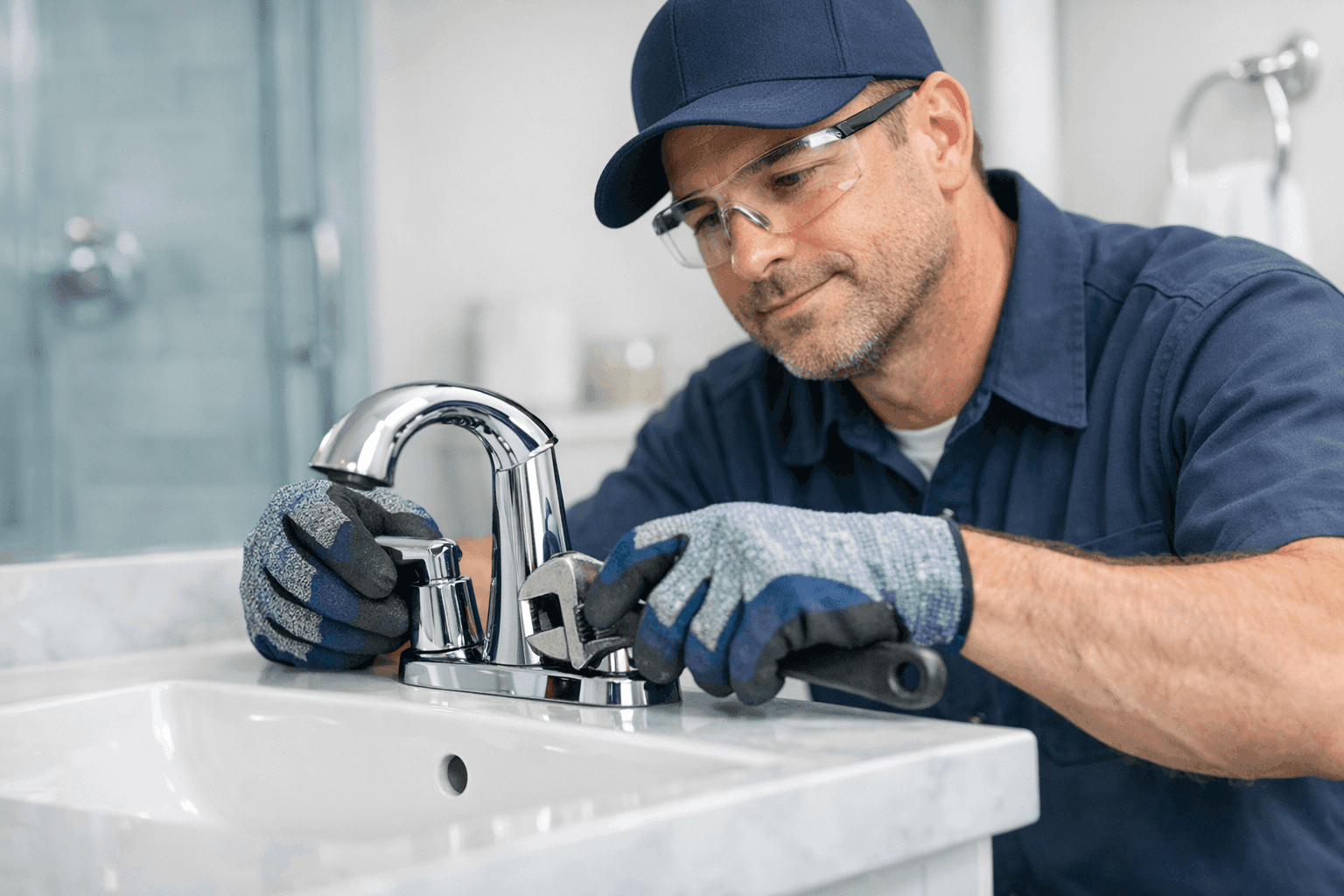
Replacing a plumbing fixture can seem intimidating. Maybe your faucet's leaking, your showerhead's rusty, or that handle just refuses to budge. These little troubles pile up, turning daily routines into daily headaches.
At Julius La Rosa Plumbing, we've seen it all—from the quick fixes to the “why is there water everywhere?” moments. Safe, proper fixture replacement isn’t just about freshening up your space. It’s about preventing leaks, water damage, and bigger plumbing woes down the line.
When to Replace Plumbing Fixtures 🛠️
Not sure if it’s time for a new fixture? Here are some telltale signs:
- Persistent leaks—even after tightening or replacing washers.
- Visible corrosion or rust that keeps spreading.
- Low water pressure coming from a single faucet or showerhead.
- Cracks or chips in porcelain, ceramic, or plastic fixtures.
- Wobbly handles or unstable mounts.
- Dated appearance—sometimes, you just want an upgrade!
In most homes, faucets and showerheads last 10–15 years if properly maintained. But mineral buildup, hard water, or heavy use can cut that lifespan short. According to the International Association of Certified Home Inspectors, regular inspection and timely replacement help ward off surprise failures.
Quick Safety Checklist Before You Start
Before you reach for a wrench, pause. Plumbing might look simple, but water can do a lot of damage in a short time. Here’s a quick safety rundown:
- Turn off the water supply to the fixture (usually a shutoff valve nearby).
- Test for power if your fixture has electrical parts (like a garbage disposal).
- Clear the area—remove cleaning products, towels, or anything you don’t want wet.
- Use proper lighting to see what you’re doing.
- Wear gloves to protect your hands from sharp edges or old grime.
- Read the manufacturer’s instructions for your new fixture.
If you run into pipes that look corroded, have odd colors or smells, or are difficult to access, consider pausing and getting help. Safety comes first—always.
Tools and Supplies Needed
Picture this: You’re halfway through, the old faucet’s off, and you realize you’re missing a part. To avoid that, gather these essentials before starting:
- Adjustable wrench
- Basin wrench (for hard-to-reach nuts)
- Bucket or shallow pan (to catch water)
- Plumber’s putty or silicone caulk (as recommended)
- Teflon tape (thread seal tape)
- Screwdrivers (Phillips and flathead)
- Towels or rags
- Flashlight
- New fixture (with all parts and instructions)
If you’re replacing a sink faucet, a fixture installation kit can streamline the job. For sink repairs or extra help, explore our sink repair solutions.
Step-by-Step Replacement Guide
Ready to get your hands a little dirty? Here’s how to tackle fixture replacement, step by step:
1. Shut Off Water
Locate the shutoff valves under the sink or behind the toilet. Turn them clockwise until snug. If there’s no local shutoff, turn off the main supply for the house. Open the fixture to drain any remaining water.
2. Disconnect Old Fixture
Use your wrench to loosen supply lines. Have your bucket ready—some water may spill. Remove mounting nuts or fasteners. If parts are stuck, don’t force them; a little penetrating oil can help.
3. Clean the Mounting Area
Scrape away old plumber’s putty, caulk, or mineral deposits. A clean surface ensures a watertight seal and a smooth install.
4. Install the New Fixture
Follow the manufacturer’s steps carefully:
- Place gaskets or apply plumber’s putty as directed.
- Insert the new fixture into place.
- Secure with mounting hardware.
- Connect supply lines—wrap threaded connections with Teflon tape for leak prevention.
5. Double-Check Everything
Before you turn the water back on, check every nut and bolt. Make sure nothing moves or wiggles. Tighten gently; over-tightening can crack pipes or fittings.
Testing and Leak Check 💧
Now comes the moment of truth. Slowly turn the water supply back on. Watch and listen:
- Let the water run for 1–2 minutes.
- Check beneath the fixture for drips, puddles, or hissing sounds.
- Feel around connections for dampness.
- Inspect handles and spouts for smooth operation.
If you spot a leak, turn off the water and adjust the connection. Sometimes just a quarter-turn tighter—or a fresh wrap of Teflon tape—solves the problem.
DIY vs. Calling a Pro
Fixture swaps are tempting DIY jobs. But plumbing can be like chess: one wrong move leads to a cascade of trouble. Call in a professional if:
- Shutoff valves are stuck or corroded.
- Pipes are old, brittle, or make odd noises.
- Water doesn’t shut off completely.
- You find evidence of mold, rot, or previous water damage.
- You’re working with gas lines or anything electric.
There’s nothing wrong with having backup. A pro’s trained eye can spot hidden issues and install everything to code, sparing you future headaches.
Common Mistakes to Avoid
No shame here—we’ve all been there. Watch out for these slip-ups:
- Forgetting to turn off the water. (It's the classic splash scene.)
- Over-tightening connections, which cracks pipes or strips threads.
- Skipping Teflon tape on threaded joints.
- Not cleaning the mounting area, which leads to leaks.
- Ignoring manufacturer instructions.
If you’re ever unsure, pause and double-check. It’s faster than cleaning up a flood.
Signs of Trouble After Installation
Most fixture swaps go smoothly. But stay alert for:
- Persistent drips or slow leaks after 24 hours.
- Water stains or swelling under sinks or behind walls.
- Moldy or musty smells.
- Rattling or banging pipes when you use the fixture.
Early action can prevent big repairs. If you notice these issues, it could mean a deeper problem—like a hidden pipe leak or worn gasket.
When It’s an Emergency
Sometimes, things go sideways. Major leaks, flooding, or no water at all? That’s the time to act fast. If you’re in an area we serve, including local support for homeowners in Champaign, help is only a call away.
Timeline & Disruption: What to Expect
Most fixture replacements—like faucets or showerheads—take 1–2 hours if everything goes smoothly. Plan for a little extra time if you’re unfamiliar with the setup or run into stubborn parts.
During the job:
- Water will be off at least at the fixture (possibly the house).
- The workspace may get wet or messy.
- Old parts and debris need proper disposal.
Keep kids and pets away from the area. Lay down towels or a mat to protect floors.
Seasonal Considerations
Winter brings frozen pipes, summer invites heavy water usage. Plan fixture swaps for milder weather, if possible—especially if your plumbing is older. If you must work in the cold, warm the area first to reduce the risk of cracking pipes.
Prevention & Maintenance for Next Time
A little care goes a long way. Here’s how to keep your new fixture working great:
- Check for leaks monthly.
- Clean aerators and showerheads every few months to prevent mineral buildup.
- Avoid harsh chemicals that can corrode finishes or gaskets.
- Listen for unusual sounds—whistling, banging, or dripping.
Regular maintenance and periodic inspections help avoid future emergencies. The Environmental Protection Agency recommends prompt leak repairs to save water and prevent structural damage.
Cost & Time Factors
Fixture prices run the gamut—from $30 for a basic faucet to several hundred for designer models. Labor and complexity add to the total. If you need new shutoff valves, upgraded supply lines, or discover hidden damage, costs may rise.
DIY can save on labor, but only if you’re confident and prepared. Otherwise, a small investment in professional help can prevent expensive repairs down the road. For peace of mind and correct installation, our fixture installation service is always available.
Frequently Asked Questions
How do I know if my shutoff valves work?
Turn the valve clockwise. If water keeps flowing or the handle won’t budge, the valve may need replacing.
Is Teflon tape always necessary?
It’s essential for threaded pipe connections but not for compression fittings. Check your fixture’s instructions.
Can I reuse supply lines?
We advise replacing old supply lines to minimize future leak risk, especially if they’re over five years old or show signs of wear.
How often should plumbing fixtures be replaced?
Most last 10–15 years, but hard water, heavy use, or poor installation can shorten their lifespan.
Final Thoughts
Swapping out a plumbing fixture may feel daunting, but with the right steps and a careful hand, most homeowners can handle the basics. Always put safety first. When in doubt, don’t hesitate to reach for professional support. Plumbing is one place where a little caution goes a long way.
Call Julius La Rosa Plumbing now — or reach us anytime at 855-598-5280 .