How to Safely Light a Water Heater Pilot Light
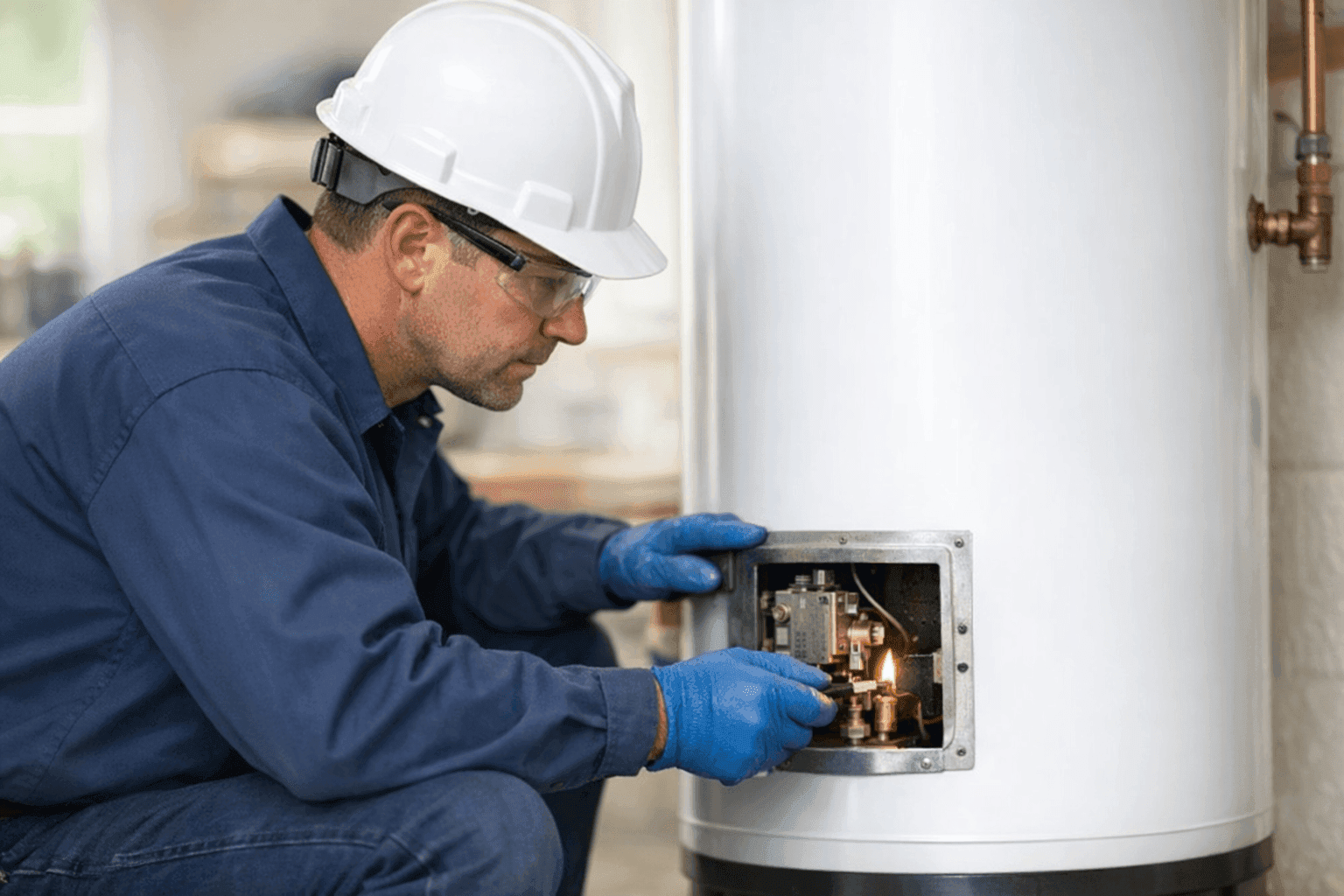
Feeling chilly showers lately? Water heater not doing its job? You’re not alone—most homeowners face a stubborn pilot light at some point. It’s an inconvenience, but also a moment for careful decision-making. Safety first, always.
At Julius La Rosa Plumbing, we understand how urgent a hot water outage can feel. Whether you’re a seasoned DIY-er or just want to know the basics, this guide will walk you through safe, practical steps to light your pilot light—plus, when it’s time to put down the lighter and call in a professional.
Why Pilot Lights Go Out 🔥
Pilot lights are like the tiny gatekeepers of your home’s hot water. They need just enough gas, a steady flame, and a clean path to stay lit. But even the best setup can fizzle out. Here’s why:
- Drafts: Cold gusts or breezes can snuff the flame, especially if your water heater is in a basement or garage.
- Thermocouple Issues: This safety part senses the flame. If it’s dirty or broken, gas supply gets cut off.
- Dirty Pilot Orifice: Dust and debris can block the gas flow to the pilot.
- Gas Supply Interruptions: An empty propane tank or a shut-off valve in the wrong position halts the show.
- Faulty Control Valve: Sometimes the main gas control malfunctions and shuts everything down.
Most of these causes aren’t your fault. They’re just part of the life cycle of plumbing systems.
Safety Precautions Before Starting 🛑
Before you even think about striking a match, take a pause. Water heaters run on gas, and gas demands respect. Just like you wouldn’t jump into a pool without checking the water, don’t approach your heater until you’ve checked these essentials:
- Sniff for Gas: If you smell rotten eggs or sulfur, leave the area immediately. Don’t flip switches, use the phone, or try to fix anything. Call your gas company or emergency services.
- Read the Manufacturer’s Label: Your water heater should have a sticker with lighting instructions. Each model is a little different.
- Turn Off the Gas: Set the control knob to “OFF” and wait at least 5 minutes. This clears out any built-up gas.
- Gather Supplies: Long lighter or match, flashlight, and a screwdriver if your heater has a panel.
- Ventilation: Make sure the area is well-ventilated. Open a window or door if possible.
Remember: Gas leaks are nothing to play with. When in doubt, call a pro.
Step-by-Step Relighting Guide
Ready to proceed? Here’s a straightforward method—just like following a recipe, but with safety goggles on.
1. Locate the Pilot Assembly
Find the small access panel near the base of your water heater. You should see the gas control knob and, behind the panel, the pilot and burner.
2. Turn the Gas Control to “Pilot”
Switch the knob from “OFF” to “PILOT.” This setting allows a small amount of gas to reach the pilot.
3. Hold Down the Pilot Button
Press and hold the pilot button or knob. This starts the gas flow to the pilot.
4. Ignite the Pilot
While holding the button, use your lighter or match to ignite the pilot. You might hear a soft “whoosh.” Keep holding the button for 30–60 seconds—this gives the thermocouple time to heat up and signal that it’s safe to stay on.
5. Release and Observe
Release the button. If the pilot stays lit, congratulations! If it goes out, repeat the process once or twice. Still having trouble? Time to step back and assess.
6. Replace the Panel and Set Temperature
Once the pilot is burning steadily, replace the access panel. Turn the control knob to “ON.” Set your desired water temperature—120°F is plenty for most homes and helps avoid scalding.
Common Mistakes to Avoid
Lighting a pilot light isn’t rocket science, but it’s not a game either. Watch out for these pitfalls:
- Skipping the Waiting Period: Not waiting after turning gas “OFF” can create a dangerous gas buildup.
- Wrong Tools: Using a tiny match can put your hand too close to the flame. A long lighter is safer.
- Ignoring the Smell of Gas: Never try to light if you detect even a faint odor.
- Rushing the Process: Holding the pilot button for too short a time keeps the thermocouple from warming up.
When It’s Time to Call a Plumber
If you’ve tried the steps above and your pilot still won’t stay lit, it’s time to stop troubleshooting. Persistent problems could signal:
- Bad Thermocouple: If it’s faulty, no amount of relighting will help.
- Gas Control Valve Malfunction: This requires specialized tools and parts.
- Recurring Pilot Outages: If you’re relighting every month, there’s an underlying issue.
- Signs of Carbon Monoxide: Headaches, nausea, or soot near your heater are red flags. Leave the area and call for help.
Residents searching for water heater repair near you will find these issues are best handled by a licensed plumber. Safety and peace of mind come first.
How Plumbing Pros Handle Pilot Light Issues 🧰
When a plumber arrives, they bring a toolkit and years of troubleshooting experience. Here’s what they’ll do:
- Inspect the gas supply and shut-off valve.
- Test the thermocouple with a multimeter.
- Clean or replace a clogged pilot orifice.
- Check for proper venting and draft issues.
- Ensure the appliance meets local safety codes (per National Fuel Gas Code, ANSI Z223.1).
In some cases, they may recommend upgrading your heater, especially if it’s more than 10–12 years old. If installation is needed, services like water heater installation are available.
Quick Safety Checklist
- Smell gas? Evacuate and call emergency services.
- Always follow your heater’s manual.
- Wait 5 minutes after turning off gas before relighting.
- Work in a ventilated area.
- Never force stubborn controls—if something doesn’t move easily, stop.
What to Expect: Costs, Time, and Disruption
Relighting a pilot yourself takes 10–20 minutes if all goes smoothly. If you call a plumber, expect a brief visit—most pilot issues are fixed within an hour, barring part replacement.
Costs vary by region and the age of your equipment. If repairs are stacking up, it may be time to consider a new water heater for better efficiency.
Signs of Deeper Trouble
If your water heater is making popping noises, leaking water, or showing rust, don’t ignore it. These are signals that go beyond a simple pilot outage.
- Rusty Water: Could mean corrosion inside the tank.
- Leaks: Often a sign the tank or fittings are failing.
- Noisy Operation: Sediment buildup can cause rumbling.
Frequent pilot outages sometimes indicate a bigger problem—don’t wait for a cold shower to turn into a costly leak.
Preventing Future Pilot Light Outages
Like changing the batteries in your smoke alarm, regular water heater maintenance keeps your system running smoothly.
- Schedule yearly inspections.
- Keep the area around your heater dust-free.
- Check for signs of moisture or corrosion.
- Test the pressure relief valve.
- Have a plumber flush the tank to remove sediment.
A little prevention goes a long way in protecting your home’s hot water and plumbing health.
Seasonal Considerations
Cold snaps, high winds, and humidity can all play tricks on your water heater’s pilot light. In winter, drafty basements make outages more common. In spring or summer, humidity may cause rust and corrosion.
If you’re in a region with unpredictable weather, keep the area around your heater clear and check your pilot more often during storms. If you’re ever unsure about local service availability, you can always check our Portland service area for support nearby.
Frequently Asked Questions
Is it safe to relight the pilot on my own?
If you follow the steps above and don’t smell gas, yes. But if you feel uneasy or the pilot won’t stay lit, it’s okay to call for help.
How often should the pilot go out?
Once in a blue moon is normal—frequent outages mean something’s wrong.
Should I turn off my water heater if I’m away for a week?
For long trips, setting the control to “Vacation” or “Pilot” can save energy and extend your heater’s life.
What temperature should I set my water heater?
120°F is safe for most homes. Higher temps increase burn risk and energy use.
Final Thoughts
Relighting a water heater pilot light is a practical skill that every homeowner can try—once. But know your limits. When the fix isn’t simple, don’t hesitate to bring in a pro.
Call Julius La Rosa Plumbing now — or reach us anytime at 855-598-5280 .