How to Repair Minor Plumbing Leaks Yourself
When you hear that slow drip echoing in the quiet of your home, it’s more than just an annoyance. Even a tiny plumbing leak can waste gallons of water, bump up your bill, and—if left unchecked—cause real damage to floors, cabinets, and even your home’s structure. At Julius La Rosa Plumbing, we know how quickly a small leak can turn into a big headache. The good news? Many minor leaks can be tackled on your own with the right approach—no need to panic.
Let’s walk through how you can identify, fix, and prevent small plumbing leaks. And when the problem’s bigger than a puddle under the sink, we’ll help you spot exactly when it’s time to call in the professionals.
Common Small Plumbing Leaks
Leaks don’t always gush or spray. More often, they whisper their presence. Here are the usual suspects:
- Dripping faucets: That slow, rhythmic tap is often due to a worn washer or cartridge.
- Leaky pipe joints: Especially under sinks or in basements, a drop forming at a fitting is a classic sign.
- Running toilets: Water trickling into the bowl can waste hundreds of gallons a day.
- Loose connections: Hoses behind your washing machine or under your dishwasher can loosen over time.
- Under-sink puddles: Look for swelling wood or water stains beneath kitchen or bathroom sinks.
Think of your plumbing like a garden hose left in the sun—cracks and weak spots can appear anywhere, often where you least expect.
Tools and Materials Needed 🛠️
You don’t need a truck full of gear to handle small leaks, but a basic set of tools goes a long way. Here’s what you’ll want on hand:
- Adjustable wrench
- Channel lock pliers
- Screwdrivers (Phillips and flathead)
- Plumber’s tape (Teflon tape)
- Pipe joint compound
- Replacement washers or cartridges
- Rags and a bucket
- Flashlight (for those dim cabinet corners)
- Utility knife
And always, always shut off the water supply before beginning any repair. Water and tools don’t mix well.
Step-by-Step Leak Repair
Let’s break it down with a practical example: fixing a leaky pipe joint under your sink.
1. Find the Source Shine a flashlight around the pipes. Look for fresh drips or corrosion. Sometimes, running your hand along the pipe helps spot moisture you can’t see.
2. Turn Off the Water Locate the shutoff valve beneath the sink or use the main supply. Test by turning the faucet on—water should stop flowing.
3. Clean and Dry the Area Wipe away puddles, and dry the pipes. Leaks like to hide in corners, so check every nook.
4. Tighten Connections Use your wrench to gently snug up the fitting. Don’t overdo it—overtightening can crack fittings or strip threads.
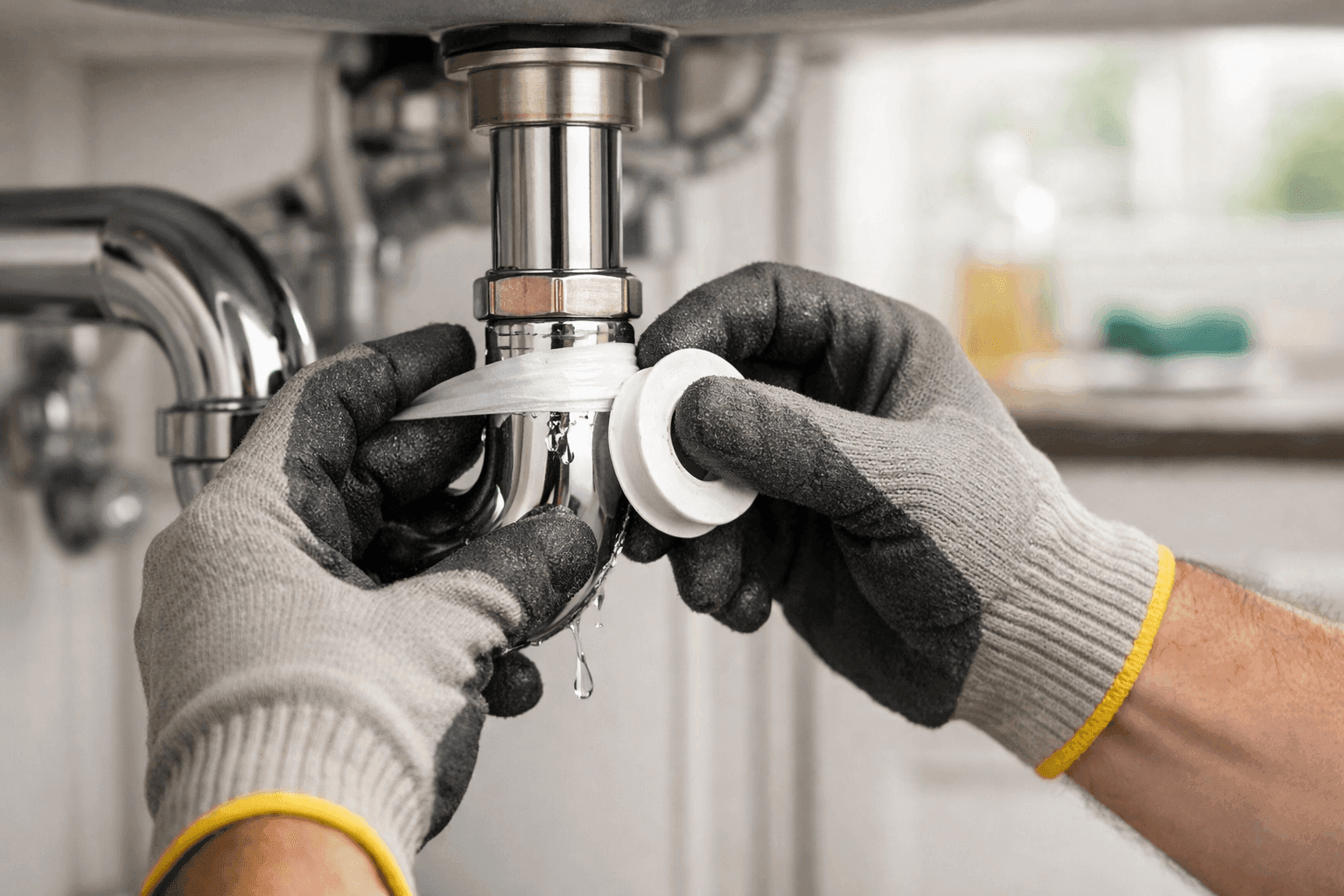
5. Apply Plumber’s Tape If tightening doesn’t stop the leak, unscrew the joint and wrap the threads with plumber’s tape. Wrap clockwise—two or three turns usually does the trick.
6. Reconnect and Test Screw the fitting back on, turn the water supply on slowly, and watch for any sign of dripping.
7. Replace Washers or Seals For faucets or shutoff valves, a worn washer or O-ring is a common culprit. Replace with a matching part and reassemble.
Pat yourself on the back if the drip is gone. Sometimes, the simplest fix works wonders.
Quick Safety Checklist
- Always shut off water before beginning repairs.
- Unplug nearby electrical devices.
- Wear gloves if you’re working with metal or chemicals.
- If you smell gas or see sparking wires, stop immediately and call for professional help.
When to Call for Help
Some leaks are like weeds—no matter how much you pull, they keep coming back. If you notice:
- Water stains spreading on the ceiling or walls
- Persistent leaks after tightening and taping
- Mold or musty odors
- Water pressure dropping suddenly
- Pipes that are corroded, rusty, or difficult to access
It’s time to contact a professional. Major leaks, sewer line troubles, and hidden pipe issues aren’t DIY territory. With leak-repair solutions from Julius La Rosa Plumbing, you get trained eyes and the right fix, fast.
When a Leak Is an Emergency 🚨
Not every leak can wait. Burst pipes, water gushing from walls, or sewage backing up into your home all call for immediate action. If you’re in the Cheyenne area, you can find reliable local support from our team when emergencies strike, day or night.
DIY vs. Professional Plumbing
It’s tempting to try and fix everything yourself. But plumbing is a bit like surgery—sometimes you need a specialist. Minor leaks and simple faucet repairs? Go for it. Anything involving main supply lines, gas pipes, or complex systems? Best left to licensed plumbers who follow local codes and safety regulations (see the International Plumbing Code and local building guidelines for reference).
Common Mistakes to Avoid
- Overtightening: More force isn’t always better. Gentle tightening prevents cracks.
- Wrong materials: Using duct tape or “universal” sealants can make leaks worse.
- Ignoring small drips: Even a slow drip can cause water damage over time.
- Skipping the water shutoff: Always turn off the water before working on pipes.
Signs of Hidden Trouble
If you spot any of these, a minor leak may be masking a bigger problem:
- Water meter runs even when all fixtures are off
- Unexplained spikes in your water bill
- Warm spots on the floor
- Mold on walls or ceilings
A professional leak detection service can pinpoint issues before they spiral out of control.
Prevention & Maintenance Tips 🧰
- Check under sinks and around appliances monthly.
- Replace old hoses and washers every few years.
- Don’t ignore slow drains—debris can cause pressure and leaks.
- Insulate pipes in cold areas to prevent freezing.
- Schedule regular plumbing maintenance to keep your system in top shape.
How Long Does DIY Leak Repair Take?
Most minor repairs—tightening a joint, replacing a washer, wrapping pipe threads—can be done in under an hour. Add in a trip to the hardware store, and you may spend an afternoon. Bigger jobs or stubborn leaks? Expect to spend more time, or call in reinforcements.
Costs: What to Expect
DIY leak repairs are inexpensive—usually just the cost of a few tools and materials. Professional repairs vary depending on the leak’s location and severity but are always less expensive than repairing water damage later. Early action saves money, every time.
Timeline & Home Disruption
Fixing a small leak rarely disrupts your household. Most repairs are quick, and water is only off for a short time. For major leaks, especially those requiring wall or floor access, expect some noise and dust—but a dry, safe home is worth it.
Frequently Asked Questions
Q: Can I use plumber’s putty on a leaking pipe?
A: Plumber’s putty is best for sealing joints around sinks and faucets, not for pressurized pipe leaks. Stick with pipe tape or joint compound for threaded pipes.
Q: Is it safe to ignore a slow drip?
A: No. Even small leaks cause damage over time and can harbor mold or mildew.
Q: Should I attempt to repair a gas line leak myself?
A: Never. Gas leaks are dangerous and require immediate professional attention.
Seasonal Considerations
Winter is especially tough on plumbing. Pipes can freeze and burst, causing sudden leaks. Insulate exposed pipes, and let faucets drip when temperatures plummet. In spring and fall, check for leaks after big temperature swings.
Preparing for Professional Service
When you call in the pros, clear the area around the leak, shut off the water, and jot down any details about when the leak started. This helps the plumber get right to work and shortens repair time.
Final Thoughts: Stay Proactive, Stay Dry
A little time spent fixing leaks now prevents major headaches later. Always know your limits—and when in doubt, don’t risk it. Julius La Rosa Plumbing is here for every drip, drop, and deluge.
Call Julius La Rosa Plumbing now — or reach us anytime at 855-598-5280 .