How to Recognize and Prevent Plumbing Scams
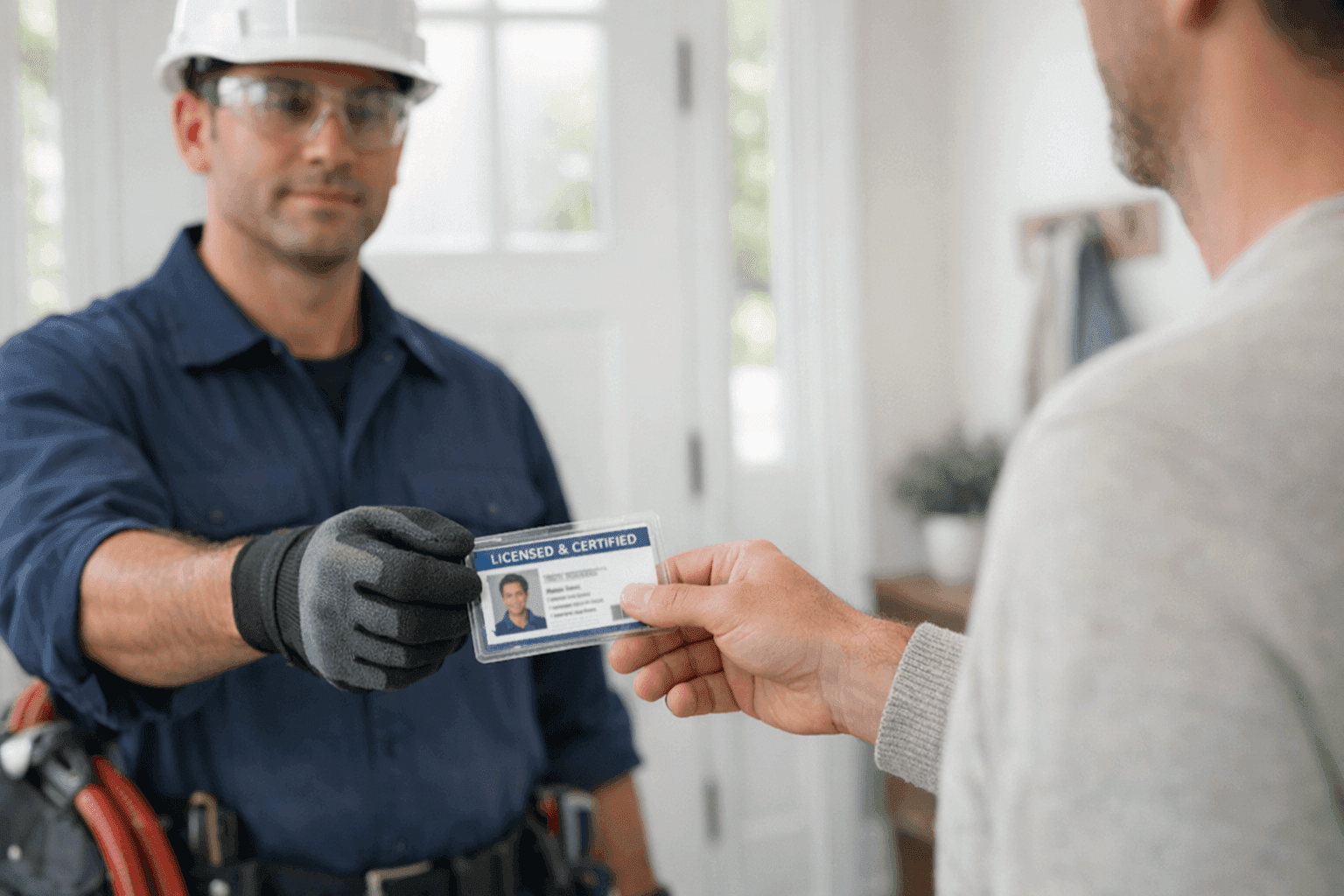
Plumbing emergencies are stressful enough without worrying about being taken for a ride. Whether it’s a burst pipe at midnight or a mysterious leak under the sink, you need help you can trust. But with so many contractors out there, how do you know who’s truly there to fix your problem—and who’s just after your wallet?
At Julius La Rosa Plumbing, we believe that knowledge is your best defense. Let’s break down the most common plumbing scams, how to spot a real professional, and what you can do to keep your home (and your bank account) safe.
Common Plumbing Scams 🚩
It happens fast. You call for help, and before you know it, you’re facing a bill that’s bigger than your kitchen table. Here are some of the most frequent tricks dishonest plumbers use to take advantage of homeowners:
- The Bait-and-Switch: You’re quoted a low price over the phone, but once the plumber arrives, the “problem” suddenly requires expensive repairs you didn’t expect.
- Unnecessary Replacements: Some scammers insist you need a total pipe replacement when a simple repair would do.
- Upfront Cash Demands: Demanding full payment before work begins is a classic warning sign.
- Mysterious “Parts Runs”: The plumber disappears for hours claiming to fetch parts—while charging you for their time.
- Inflated Emergency Fees: Emergencies can cost more, but beware of sky-high surcharges that aren’t explained clearly.
If something sounds too good to be true, it probably is. Always pause before agreeing to anything on the spot.
How to Verify a Plumber’s Credentials
Before you let anyone touch your pipes, make sure they’re the real deal. Here’s how:
- Ask for Licensing: Every reputable plumber should be licensed according to your state’s requirements. In most places, this is non-negotiable. You can check with your state licensing board for confirmation.
- Insurance is a Must: Liability insurance protects you if something goes wrong. Don’t be shy—ask for proof.
- Look for Certifications: Many pros pursue extra certifications from organizations like the American Society of Plumbing Engineers (ASPE) or the International Association of Plumbing and Mechanical Officials (IAPMO).
- Check Reviews and References: A quick online search or a call to past customers can reveal a lot.
Remember, a true professional welcomes these questions. It’s your home—never apologize for protecting it.
Questions to Ask Before Hiring
Think of hiring a plumber like interviewing a babysitter for your house. Here are questions that cut through the noise:
- How long have you been in business?
- Can you provide recent references?
- What’s included in your estimate? Are there possible extra charges?
- Who will be doing the work—an employee or a subcontractor?
- Do you offer written contracts or work orders?
- What’s your policy if something goes wrong during the job?
A trustworthy plumber will answer these clearly and confidently.
Red Flags and Warning Signs
Some warning signs are as clear as a leaky faucet. Watch for these:
- Reluctance to provide credentials: If they dodge your questions, walk away.
- Vague or changing estimates: The price should be clear before work starts.
- Pressure tactics: Scammers rush you to sign or pay before you’re ready.
- No physical address: If they can’t provide a verifiable business address, be cautious.
- Unmarked vehicles: Professionals take pride in their company—unmarked vans are a red flag.
If you spot any of these, it’s time to look elsewhere.
DIY vs. Call a Pro
It’s tempting to grab a wrench and tackle that clog yourself. Some jobs—like plunging a toilet or tightening a loose fixture—are safe for homeowners. But when it comes to complex repairs, gas lines, or anything involving your main water supply, it’s best to call in a licensed plumber.
Trying to fix a major leak with duct tape is like patching a sinking boat with bubble gum. Short-term fixes can lead to bigger, costlier headaches.
What Pros Do On Arrival
A real pro doesn’t just barge in and start tearing up your floor. Here’s what you can expect from a reputable plumber:
- They’ll introduce themselves, show ID, and explain what they’re there to do.
- They’ll inspect the problem and walk you through their findings.
- You’ll get a clear estimate—written, not just verbal.
- They’ll answer your questions and explain your options.
- No work begins until you give the green light.
If your plumber skips these steps, consider it a warning.
Prevention & Maintenance Tips
An ounce of prevention is worth a pound of repairs. Keep your plumbing in top shape with these habits:
- Don’t pour grease down the drain—it’s the fast track to clogs.
- Install screens over drains to catch hair and debris.
- Schedule annual inspections, especially if your home is older.
- Know where your main water shutoff is (and how to use it).
- Keep an eye out for slow drains, damp spots, or rising water bills—these can all signal hidden leaks.
Regular checkups help you spot issues before they turn into emergencies.
Costs and Time Factors
Plumbing isn’t cheap, but it shouldn’t be a mystery either. Honest plumbers:
- Provide estimates up front.
- Explain what’s included and what might cost extra.
- Break down labor and materials.
- Are upfront about how long the job should take.
If you’re ever unsure, ask for clarification in writing. Transparency is key.
When It’s an Emergency
Burst pipes. Overflowing toilets. Water where it shouldn’t be. Plumbing emergencies don’t wait for business hours, and scammers know this. They prey on panic.
In a true emergency, don’t let urgency cloud your judgment. Take a breath, turn off your water supply if you can, and call for emergency plumbing help from a reputable company. Even in a crisis, you deserve clear answers and fair treatment.
Timeline & Disruption: What to Expect
Big jobs—like repiping or sewer line repairs—can disrupt your daily routine. A trustworthy plumber will:
- Explain the expected timeline.
- Give you a heads-up about water shutoffs or noisy work.
- Keep the workspace tidy and safe.
If your plumber can’t give you a straight answer about how long things will take, think twice.
Materials & Equipment
Quality matters. Professionals use parts and tools that meet building codes and safety standards. Beware if someone suggests using “off-brand” materials or skips permits to save time. It could cost you more down the road.
The Uniform Plumbing Code (UPC) and International Plumbing Code (IPC) set the standards—ask your plumber if they follow these guidelines.
Common Mistakes Homeowners Make
- Ignoring small leaks—these can lead to major water damage.
- Hiring based solely on price—cheap work often means cut corners.
- Not getting estimates in writing.
- Paying in full before the job is finished.
- Overlooking the plumber’s insurance and licensing.
A little caution goes a long way.
Signs of Trouble
If you notice these, act fast:
- Unexplained puddles or damp spots.
- Sudden drop in water pressure.
- Persistent clogs or slow drains.
- Sounds of running water when everything’s off.
These could signal hidden leaks or pipe damage. Don’t wait—address them before they escalate.
When to Call an Expert
Some plumbing jobs are too risky for DIY. Gas line work, major leaks, and anything involving sewage should always be handled by a licensed plumber. If you’re ever in doubt, reach out to qualified plumbing services in Shreveport for guidance and support.
Seasonal Considerations
Cold snaps can freeze pipes. Heavy rains can overwhelm sump pumps. Each season brings its own plumbing challenges. Schedule annual checkups—especially before winter—to avoid nasty surprises.
Preparing for Service
Before your plumber arrives:
- Clear the work area.
- Secure pets.
- Write down any questions or concerns.
Preparation speeds up the process and helps your plumber get right to work.
Final Thoughts
Protecting your home from plumbing scams is about staying informed, asking the right questions, and trusting your instincts. A little vigilance now can save you big headaches later.
Call Julius La Rosa Plumbing now — or reach us anytime at 855-598-5280 .