How to Prevent and Repair Water Heater Leaks
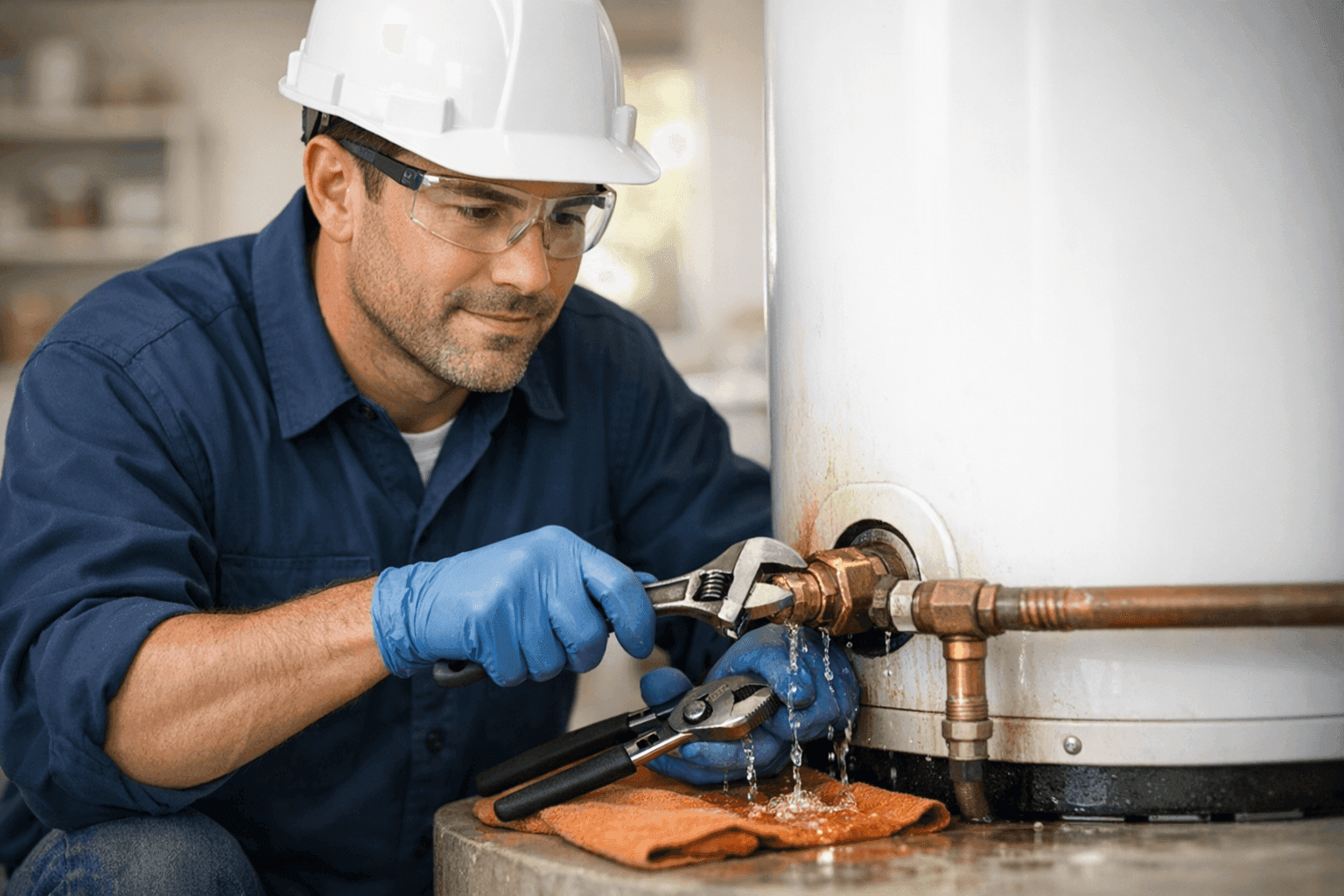
Water heater leaks seem to sneak up at the worst times. You walk into the garage or utility closet and suddenly, there’s a puddle where your shoes should be. It’s frustrating and stressful—especially when you have no hot water for a shower or dishes. At Julius La Rosa Plumbing, we know how disruptive and confusing water heater leaks can feel.
Let’s break down what causes these leaks, how you can prevent them, and what to do if you spot trouble. Whether you’re a hands-on homeowner or someone who prefers to call in the pros, we’ll guide you through practical steps and help you decide when it’s time to act.
Why Water Heaters Leak
Water heaters are like the unsung workhorses of any home. But even the toughest ones wear down over time. Leaks can spring up for a handful of reasons:
- Corrosion: Years of heating water can eat away at the tank’s metal lining. Eventually, tiny rust spots turn into holes.
- Loose Connections: The pipes and fittings that bring water in and out might loosen over time, letting water escape.
- Faulty Valves: The temperature and pressure relief (T&P) valve is a safety guard. If it gets stuck or fails, water may seep or spray out.
- Sediment Build-Up: Minerals from your water supply can settle at the bottom of the tank, causing uneven heating and stress cracks.
- Old Age: Most water heaters last 8–12 years. Past that, leaks become much more likely as parts and seals degrade.
Just like how shoes wear thin at the heel, even well-maintained water heaters can develop weak spots after years of use. Noticing the first signs is the key.
Leak Prevention Tips 🛡️
An ounce of prevention truly is worth a gallon of cleanup. Here’s how to stretch your water heater’s lifespan and stop leaks before they start:
- Regular Inspections: Peek at your water heater every month. Look for damp spots, rust, or mineral scaling on the tank and pipes.
- Flush the Tank: Drain a few gallons every six months to wash out sediment. Check your manufacturer’s manual for instructions, or ask your plumber for help.
- Test the T&P Valve: Once a year, gently lift the lever to ensure water flows out and the valve snaps back. If it sticks or drips, it’s time for a replacement.
- Check Anode Rods: These sacrificial rods attract corrosive minerals. Have them inspected and replaced every 2–4 years, depending on your water quality.
- Keep the Area Clear: Give your heater room to “breathe.” Don’t stack boxes or tools around it, so leaks don’t go unnoticed.
- Watch Your Water Pressure: High water pressure puts extra strain on your heater. Install a pressure-reducing valve if your home’s pressure is above 80 psi (per Uniform Plumbing Code guidelines).
Following these steps can slow down wear and help you spot issues early—before you need boats instead of buckets.
Recognizing the Signs of Trouble
Not every leak is a Hollywood-style flood. Sometimes, you’ll only see:
- Small puddles near the base
- Rusty or cloudy water from your hot taps
- Dripping or hissing sounds from the unit
- Unusual cycling or rumbling noises
- A sudden dip in hot water temperature
If you notice any of these, it’s time to take action. Don’t wait—leaks rarely fix themselves and almost always get worse.
Quick Safety Checklist Before You Investigate
Before you poke around, make safety your first stop:
- Turn off the power: For electric heaters, shut off the circuit breaker. For gas, set the control to “pilot” or “off.”
- Shut off the water supply: Twist the cold-water valve on top of the tank clockwise.
- Let the tank cool: Hot water can scald. Wait at least 30–60 minutes before touching or draining.
If water is pooling near electrical outlets, keep your distance and call for help immediately.
DIY and Professional Repair Steps 🔧
Some leaks are easy—a loose fitting, for example. Others hide in hard-to-reach places or deep inside the tank. Here’s how to approach both:
DIY Fixes for Minor Leaks
- Tighten fittings: Use a wrench to gently snug up any loose connections on the inlet or outlet pipes.
- Replace a leaking drain valve: Drain the tank, then unscrew and swap in a new valve (available at most hardware stores).
- Swap out a faulty T&P valve: Follow the manufacturer’s instructions and use Teflon tape to seal threads.
When to Call the Pros
If you spot water seeping from the tank itself, or if a leak returns after a quick fix, it’s time to call in a licensed plumber. Complex problems—like internal corrosion or gas line issues—require specialized tools and know-how.
You can find reliable water heater repair from professionals trained to diagnose and solve these issues quickly and safely.
What Plumbing Pros Do On Arrival
When a plumber arrives, here’s what you can expect:
- Assessment: They’ll inspect the tank, valves, and surrounding pipes for signs of corrosion, wear, or hidden leaks.
- Pressure Testing: Plumbers use specialized gauges to check for excessive water pressure, which can cause future problems.
- Sediment Flush: If mineral buildup is an issue, they may flush the tank to restore efficiency.
- Leak Detection: Using moisture meters and visual checks, they’ll pinpoint the leak’s source—even if it’s not obvious.
This thorough process ensures no detail is overlooked. It’s about fixing the problem, not just treating the symptoms.
When to Replace a Water Heater
Sometimes, repair just isn’t the best option. Consider replacement if:
- The tank is older than 10–12 years.
- You see recurring leaks despite repairs.
- Rusty water comes from the hot taps.
- The tank is visibly corroded or bulging.
- Your energy bills are creeping up due to inefficiency.
A new unit can mean better efficiency, safer operation, and more reliable hot water. Remember, updated models often meet stricter energy and safety standards as set by the U.S. Department of Energy.
Preventing Future Leaks: Ongoing Maintenance
Setting a maintenance calendar can keep leaks at bay:
- Schedule annual professional inspections.
- Flush the tank every six months.
- Test valves each year.
- Replace anode rods on schedule.
Think of it like changing oil in your car. Regular care keeps everything humming and helps you avoid surprise breakdowns.
Common Mistakes to Avoid 🚫
- Ignoring small leaks: Even a trickle can lead to mold, water damage, and costly repairs.
- Skipping maintenance: Out of sight shouldn’t mean out of mind.
- DIY on gas lines: Leave gas connections and repairs to licensed professionals.
- Using the wrong parts: Always use manufacturer-approved parts for replacements.
Avoiding these pitfalls can save time, money, and frustration.
When It’s an Emergency
A burst water heater or fast-moving leak is an emergency. Shut off water and power, then call for immediate help. If you’re in the area, our team can respond quickly—learn more about our availability on the Hobbs plumbing page.
Costs & Time Factors
Repair costs can range from the price of a new valve to a full tank replacement. Minor fixes often take under an hour, while full replacements may need a half day or more. Your plumber will always review options and help you weigh repair versus replacement.
Seasonal Considerations
Cold weather can stress water heaters—pipes contract, and sediment settles faster. In winter, check your system more often. After heavy rains or flooding, inspect for leaks that might have started from shifting foundations or saturated ground.
Timeline & Disruption: What to Expect
Most minor repairs cause little disruption—just a short outage of hot water. Replacements are more involved but typically finished the same day, with cleanup handled before we leave.
FAQ: Water Heater Leaks
Q: Is a small leak okay if I don’t use much hot water?
A: Even tiny leaks can worsen quickly. Address them as soon as you notice.
Q: Will insurance cover water heater leaks?
A: Sometimes, if sudden and accidental. Gradual leaks from neglect are often excluded—check your policy.
Q: Can I patch a leaking tank?
A: Temporary patches rarely last. Permanent fixes usually require professional repair or replacement.
Plumbing Services for Leak Repair
If you’re dealing with leaks beyond your water heater—under the sink, behind a wall, or from another mystery spot—our team also handles leak repair throughout your home.
Call Julius La Rosa Plumbing now — or reach us anytime at 855-598-5280 .