How to Prevent and Repair Toilet Overflows
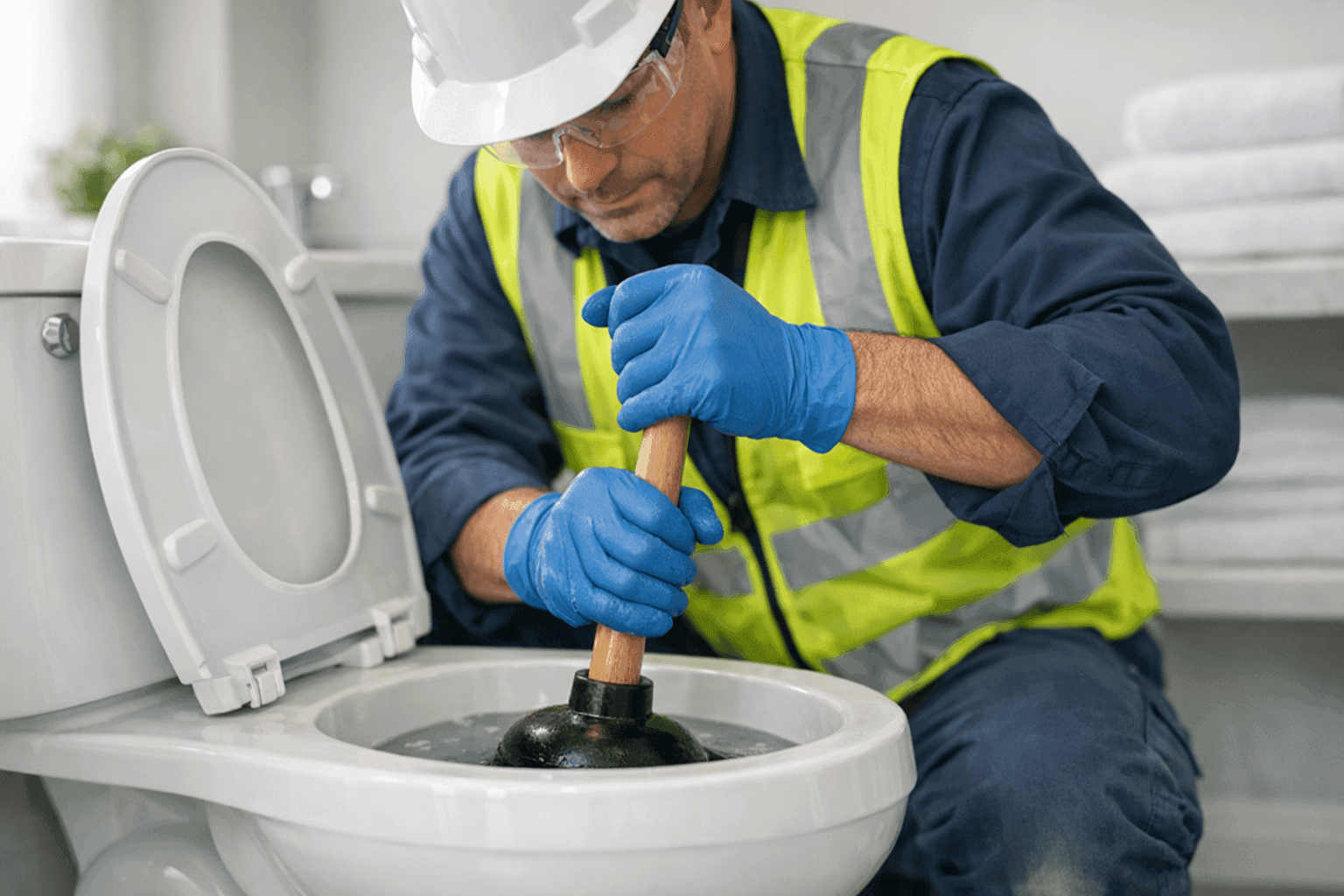
Few things disrupt a peaceful home like a toilet overflow. One minute, everything’s fine. The next, water is creeping across your bathroom floor. It’s a problem that’s both urgent and unsettling, but you’re not alone—this is one of the most common calls we get at Julius La Rosa Plumbing.
Toilet overflows can cause water damage, stress, and even health risks if not handled quickly. The good news? Most overflows are preventable, and with the right steps, you can handle minor incidents safely. Let’s break down the causes, prevention, and what to do if the water won’t stop.
Why Toilets Overflow 🚽
Toilets are like the unsung heroes of the home—reliable until something goes wrong. Overflows usually happen for a few key reasons:
- Clogs: The most common culprit. Flushing too much toilet paper, wipes (even “flushable” ones), or foreign objects can block the pipes.
- Faulty Parts: A malfunctioning fill valve, flapper, or float can cause the tank to overfill.
- Sewer Line Problems: Tree roots, broken pipes, or buildup far down the line can push water back up.
- Low-Flow Toilet Issues: Older or low-flow models sometimes don’t flush waste thoroughly, leading to repeat clogs.
Think of your toilet as a busy highway. When there’s an accident (a clog), traffic backs up fast.
Prevention Tips: Keep Overflows Out of Your Routine
Stopping overflows before they start is all about small habits and regular checks. Here’s how to keep your bathroom running smoothly:
- Flush Only Toilet Paper: No wipes, cotton balls, diapers, or feminine products—even if the label says “flushable.”
- Keep Lids Down: This stops kids (and pets) from tossing toys or other objects in.
- Check for Slow Drains: If your toilet refills slowly or bubbles, it’s a sign of trouble ahead.
- Routine Maintenance: Schedule yearly inspections for your plumbing and consider a professional drain cleaning if you notice recurring slowdowns.
- Know Your Toilet: If you have a low-flow model, double-flush when needed and avoid overloading.
A little vigilance goes a long way toward avoiding messy surprises.
How to Safely Fix an Overflow
When the water starts rising, don’t panic. Here’s a step-by-step guide to get things under control:
1. Stop the Water
- Lift the Tank Lid: Gently lift the lid and set it aside.
- Push the Flapper Down: This rubber seal at the bottom of the tank stops water from flowing into the bowl.
- Turn Off the Water Valve: Locate the shut-off valve behind the toilet and turn it clockwise until it stops.
2. Clean Up Quickly
- Mop Up Water: Use old towels or a mop to soak up water before it spreads.
- Disinfect: Wipe down affected surfaces with a disinfectant to prevent bacteria growth.
3. Clear the Clog
- Use a Plunger: Place the plunger over the drain hole and push down firmly, then pull up to loosen the clog.
- Try an Auger: For stubborn blockages, a toilet auger (also called a closet snake) can reach deeper.
If the water won’t go down or the clog keeps coming back, professional unclogging toilets service is your safest bet.
When to Call for Help
Some overflows are more than a quick fix. Call in the pros if:
- Water keeps rising even after shutting off the valve.
- Multiple drains in your home back up at once.
- You suspect a sewer line issue (like foul odors or gurgling noises).
- You see repeated overflows or leaks around the base of the toilet.
For persistent issues, a toilet repair can address hidden problems like worn-out parts or cracks in the porcelain.
If you’re in need of Kenosha plumbing services, local support is always available for urgent situations.
Quick Safety Checklist
Before you tackle any overflow, keep safety top of mind:
- Wear Gloves: Protect your hands from germs.
- Avoid Electrical Outlets: Water and electricity don’t mix.
- Ventilate the Area: Open a window to clear out odors and moisture.
For major spills, consider professional water remediation to prevent mold.
DIY vs. Professional Help
Not every overflow needs a plumber, but don’t hesitate to call if:
- You’ve tried plunging with no luck.
- You notice water damage spreading to other rooms.
- There’s a strong sewage smell.
A plumber brings specialized tools and can spot issues you might miss—like a cracked pipe or hidden leak.
What Plumbers Do On Arrival
When you call Julius La Rosa Plumbing, here’s what to expect:
- Assessment: We’ll inspect the toilet, pipes, and surrounding area.
- Clog Removal: Using professional-grade augers and cameras if needed.
- Part Replacement: Faulty valves, flappers, or floats are swapped out on the spot.
- Cleanup: We’ll ensure the area is safe and dry before leaving.
Our approach follows local plumbing codes and safety standards, including guidelines from the International Association of Plumbing and Mechanical Officials (IAPMO).
Common Mistakes to Avoid
- Don’t Use Chemical Drain Cleaners: They can damage pipes and are often ineffective on toilets.
- Don’t Keep Flushing: This only adds more water to the problem.
- Don’t Delay Repairs: Small leaks or slow drains can lead to bigger headaches.
Signs of Trouble Before an Overflow
Keep an eye (and ear) out for these early warning signs:
- Gurgling noises from the toilet or nearby drains.
- Water rising higher than usual after flushing.
- Frequent need to plunge.
Catching these signals early can save you time, money, and stress.
Timeline & Disruption: What to Expect
Most minor overflows can be resolved in under an hour. More serious cases—like sewer line blockages—may take a few hours or require follow-up visits. During repairs, keep pets and children away from the area.
Materials & Equipment: What You’ll Need
- Plunger (flange type for best seal)
- Toilet auger
- Rubber gloves
- Old towels or mop
- Disinfectant cleaner
Having these on hand makes tackling small overflows less stressful.
Costs & Time Factors
DIY fixes are usually low-cost, but repeated problems may signal a bigger issue. Professional repairs can range from a quick visit to a more involved job if parts or pipes need replacing. Always ask for an estimate before work begins.
When It’s an Emergency
If water is flowing uncontrollably, or you suspect a sewer backup, don’t wait. Shut off the water and call for help right away. For those seeking Kenosha plumbing help, rapid response is available for emergencies big and small.
Seasonal Considerations
Colder months can bring extra challenges—frozen pipes or increased demand on your plumbing system. Insulate exposed pipes and check for leaks before winter sets in.
Preventative Maintenance: The Key to Peace of Mind
Schedule regular inspections and don’t ignore the little things. A slow drain today can mean a flood tomorrow. Preventative maintenance is your best defense against future overflows.
To keep your home dry and your mind at ease, act quickly at the first sign of trouble. For safe, reliable help—Call Julius La Rosa Plumbing now — or reach us anytime at 855-598-5280 .