How to Prevent Plumbing Problems When Going on Vacation
Are you excited for some well-earned time away from home? Whether it’s a quick weekend getaway or a long stretch of sunny relaxation, peace of mind should follow you—not worries about hidden water leaks or a pipe bursting back home.
At Julius La Rosa Plumbing, we know that even the smallest drip can snowball into a major headache if left unchecked. So before you set your “out of office,” let’s walk through how to keep your plumbing safe while you’re away.
Why Prep Plumbing Before Vacation? 🏠
Imagine coming back to a river where your hallway used to be. Not the welcome-home you want. Plumbing problems don’t wait until you return—they sneak in when nobody’s looking. A simple leak can turn into mold, water damage, or ruined belongings. And, if you’re gone for days, repairs get pricier and messier.
According to the Insurance Institute for Business & Home Safety, water damage from plumbing failures is one of the top reasons for homeowners’ insurance claims. And most of it is preventable with a little planning.
Vacation Plumbing Checklist
No need to turn your suitcase upside down looking for a magic fix. Here’s a practical list to keep your plumbing quiet and trouble-free while you’re away:
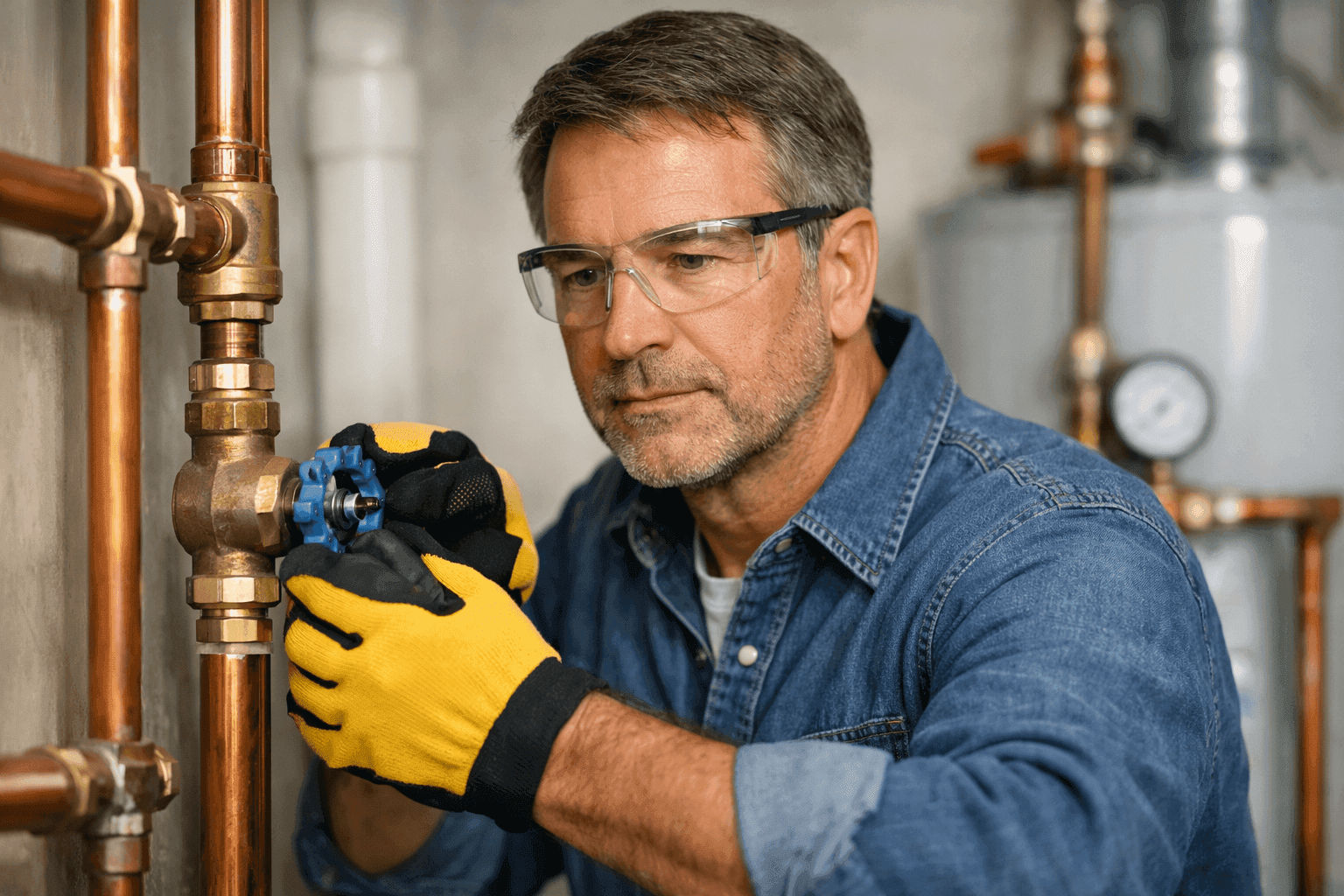
- Shut off the main water valve. This is your best defense. If you can’t turn off the whole house (maybe you have a sprinkler system), at least shut off the valves to sinks, toilets, and washing machines.
- Check for leaks. Inspect under sinks, around the water heater, and behind toilets. A small drip can grow while you’re gone.
- Test your sump pump. Pour a bucket of water into the sump pit to make sure it turns on and drains properly.
- Empty and clean your garbage disposal. Leftover food can rot and create odors or attract pests.
- Set your water heater to “vacation” mode. Or turn it to the lowest setting. This saves energy and reduces risk.
- Clear gutters and downspouts. Prevent rainwater backups that can lead to basement flooding.
- Check hoses and supply lines. Look for bulges, cracks, or corrosion on washing machine, dishwasher, and refrigerator hoses.
- Ensure all drains are clear. Flush toilets, run water in sinks, and pour a cup of baking soda followed by vinegar down slow drains.
- Install leak detectors. Battery-powered sensors can alert you (or a neighbor) if water is detected.
Tips for Preventing Emergencies
Preventing trouble is easier than fixing it. Like locking your doors before you leave, a few extra steps can spare you a huge mess.
- Ask a neighbor or family member to check in. A quick walk-through every few days can catch problems early.
- Don’t forget outdoor faucets. Make sure hoses are disconnected and faucets are off—especially in colder weather.
- Keep heat at a safe minimum. In winter, set your thermostat no lower than 55°F to prevent frozen pipes.
- Know your shut-off locations. Label them so anyone can act fast if needed.
- Avoid chemical drain cleaners. They can corrode pipes and cause bigger issues later. Stick to natural cleaners or call for professional preventative maintenance before you leave.
Common Vacation Plumbing Mistakes
Even careful homeowners can miss a step. Here are the most frequent slip-ups:
- Forgetting to shut off the water main.
- Ignoring slow drains or minor leaks.
- Leaving the water heater running at full blast.
- Storing valuables on the floor of the basement or lower level.
- Trusting that “it’s never happened before” means it never will.
Signs of Trouble Before You Leave
Take a quick tour of your home, and listen for anything out of place:
- Dripping sounds behind walls or under sinks.
- Rust or water stains on ceilings or floors.
- Water pressure that suddenly drops or surges.
- Unusual odors from drains or fixtures.
- Water pooling around appliances.
Spot something? It’s better to address it now than return to a disaster.
How to Shut Off Your Water Main
The main shutoff valve is like the gatekeeper of your plumbing. Usually located near where the water line comes into your home (often in the basement or crawl space), turning this valve clockwise will stop water from flowing inside. If you’re not sure where yours is, mark it with a tag or bright tape for easy identification.
In apartments or condos, ask your building manager for guidance on how to safely shut off water to your unit.
What’s the Risk of Not Prepping?
The cost of skipping these steps can be huge. Even a minor leak running for days can:
- Soak floors, carpets, and drywall.
- Breed mold, which spreads fast and is costly to remove.
- Damage electrical systems.
- Ruin irreplaceable keepsakes.
A burst pipe or failed sump pump can mean thousands in repairs. Insurance may cover some costs, but the hassle and loss are never worth it.
Seasonal Considerations
Weather matters. In summer, watch for heavy rains that can overwhelm drains and sump pumps. In winter, pipes in unheated areas (garages, crawlspaces) are at risk for freezing and bursting. Foam pipe insulation can help, and opening cabinet doors under sinks lets warm air circulate.
If you live in a region with temperature swings like East Orange, you’ll want to be extra cautious. You can find more details on local readiness through our East Orange service page.
When to Call a Pro
Some problems need more than a quick fix. If you spot:
- Persistent leaks or wet spots.
- Sewage odors.
- Water stains getting bigger.
- Water heater noises or rust.
- Gas smells near appliances.
It’s smart to get help before you leave. Licensed plumbers follow codes like the International Plumbing Code (IPC) and National Standard Plumbing Code (NSPC) to keep your home safe.
What Happens When a Plumber Arrives
A professional plumber will:
- Inspect all visible pipes, joints, and fixtures for leaks.
- Test water pressure and check for hidden weaknesses.
- Examine your sump pump, water heater, and filtration systems.
- Make recommendations for repairs, upgrades, or maintenance.
You’ll get clarity and peace of mind—no mystery puddles when you return.
Materials and Equipment for DIYers
Simple tools can make a difference:
- Adjustable wrench for turning valves.
- Flashlight for checking dark corners.
- Plumber’s tape for minor drips.
- Bucket and mop for any water you find.
But if you’re not comfortable, don’t risk it. Call in a professional for anything beyond your comfort zone.
How to Handle Emergencies from Afar
If you get a call about water trouble while you’re away:
- Ask your contact to turn off the main water supply.
- Have them mop up standing water and move valuables.
- Contact a plumber for emergency service.
- Check your insurance policy for next steps.
Document everything with photos if possible.
Preventative Maintenance: Your Best Insurance
The best way to avoid trouble? Schedule regular check-ups for your plumbing. Professional maintenance can catch wear and tear before it breaks, and smart upgrades like leak detectors or smart shut-off valves add an extra layer of protection.
Learn more about preventative maintenance services designed to keep your home safe year-round.
Final Thoughts: Leave Worry Behind
Vacation should mean relaxation, not plumbing panic. With the right prep, you’ll step out your front door knowing your pipes, drains, and fixtures are ready for your return.
If you need help inspecting for leaks, testing your sump pump, or getting your home set for a trip, Julius La Rosa Plumbing is here for you—before, during, or after your getaway.
Call Julius La Rosa Plumbing now — or reach us anytime at 855-598-5280 .