How to Prevent Mold Growth in Your Home’s Plumbing
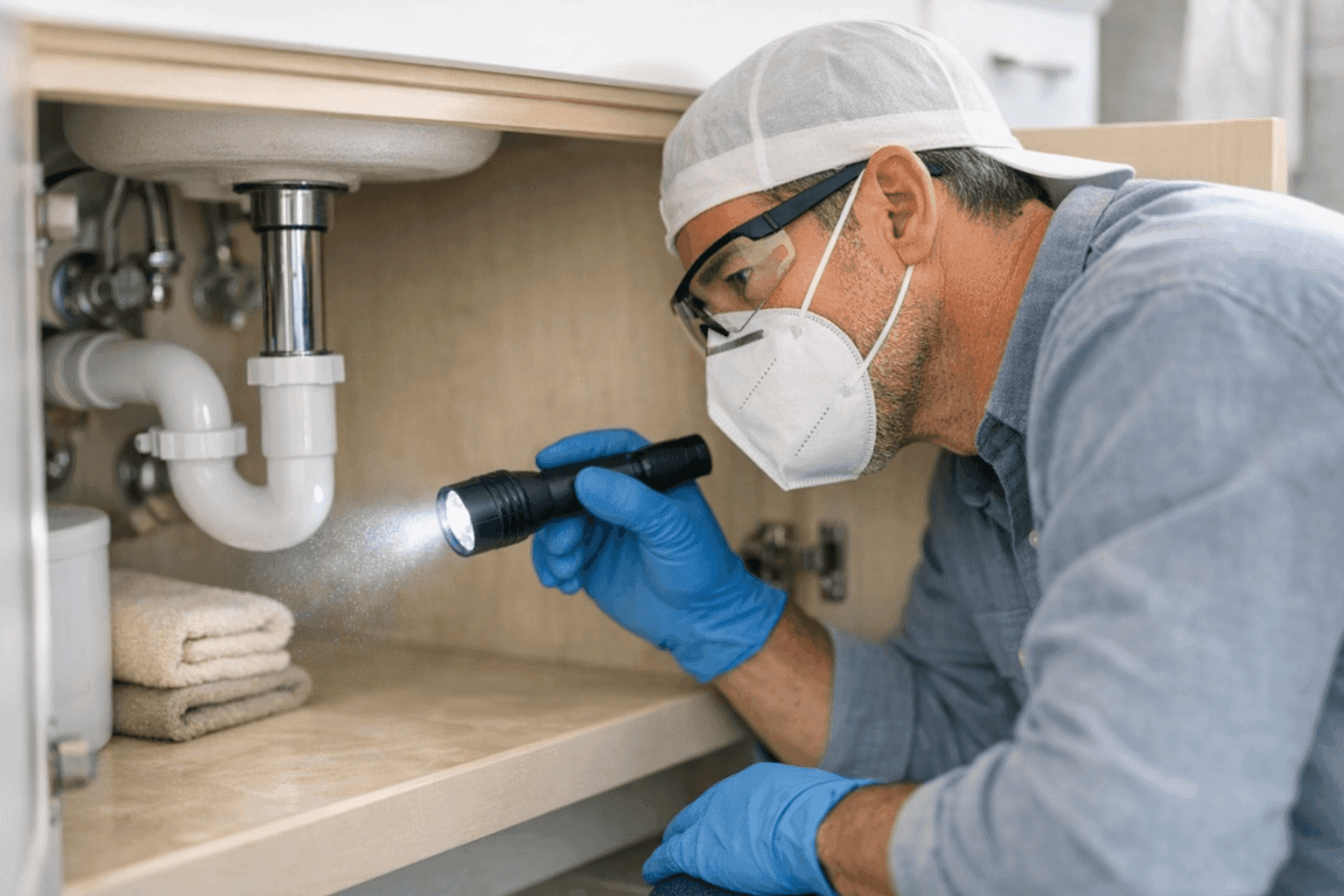
Mold is sneaky. It can creep into the darkest, dampest corners of your home—especially where plumbing and moisture meet. One tiny leak behind a wall or under a sink is all it takes for mold to set up shop.
At Julius La Rosa Plumbing, we’ve seen how quickly a small drip can turn into a big, smelly headache. Mold isn’t just ugly. It can make your home unsafe and even trigger health issues for your family. Here’s how you can stop mold before it starts, and what to watch for in your plumbing.
Why Mold Loves Plumbing
Think of plumbing like a network of hidden rivers running through your home. When those rivers leak or pool—whether from a loose pipe, condensation, or clogged drains—it creates a perfect playground for mold. Mold spores are always in the air, just waiting for a damp spot to settle and grow.
Main Causes of Mold in Plumbing
- Leaky pipes: Even a slow drip under a cabinet or behind a wall can feed mold.
- Condensation: Cold pipes in humid spaces “sweat,” leaving moisture behind.
- Poor ventilation: Bathrooms, kitchens, and laundry rooms without good airflow stay damp longer.
- Flooding or overflows: Burst pipes or clogged fixtures can soak walls and floors.
Quick Safety Checklist Before You Start 🛑
Before you dive into checking for mold, take a second to protect yourself and your space.
- Wear gloves and a mask if you suspect mold.
- Turn off water to leaking fixtures.
- Keep kids and pets away from affected areas.
- Open windows for fresh air.
If the mold covers a large area or you feel unwell, bring in professionals experienced in plumbing and mold remediation.
Signs of Hidden Mold in Your Plumbing
Mold doesn’t always make itself obvious. It hides behind walls, under sinks, and inside cabinets. Watch (and sniff) for these clues:
- Musty, earthy odors that won’t go away
- Stains or discoloration on walls, ceilings, or under sinks
- Warped cabinetry or peeling paint near plumbing fixtures
- Allergy-like symptoms that seem worse at home
Trust your nose. If something smells off, it’s worth investigating.
What Happens If Mold Is Left Untreated?
Mold isn’t just a cosmetic problem. It can:
- Eat away at drywall, wood, and insulation
- Spread quickly through your plumbing and HVAC systems
- Trigger asthma, allergies, and respiratory issues—especially in kids or older adults
According to the Centers for Disease Control and Prevention (CDC), long-term mold exposure can lead to more serious health risks. Fixing leaks and removing mold promptly keeps your home healthier.
Regular Checks: Your Mold Prevention Routine
Set a reminder every few months to inspect your plumbing. Here’s where to look:
- Under sinks in kitchens and bathrooms
- Around toilets, tubs, and showers
- Behind your washing machine and dishwasher
- Basement sump pumps and water heaters
Use a flashlight and check for wet spots, stains, or soft drywall. The sooner you spot trouble, the easier it is to fix.
Prevention Tips: Keeping Plumbing Dry and Mold-Free
Stopping mold is about cutting off its water supply. Here’s how:
- Fix leaks fast: Don’t ignore even small drips. They’re like a buffet for mold.
- Insulate cold pipes: Foam sleeves stop condensation in humid spaces.
- Ventilate rooms: Use exhaust fans in bathrooms and kitchens. Crack a window after showers.
- Dehumidify damp spaces: Basements and laundry rooms benefit from a simple dehumidifier.
- Clean drains regularly: Slow drains can cause overflows and lingering moisture.
For leaks large or small, our leak repair specialists can help stop mold at the source.
DIY vs. Professional Help
Some mold problems, like a little mildew in the shower, are easy DIY fixes. Scrub with a mixture of water and mild detergent, then dry thoroughly. But if you find:
- Mold covering more than 10 square feet
- Leaks you can’t see or reach
- Persistent odors or water stains
That’s when it’s time to call in a licensed plumber or a certified mold remediation team. They have the right tools and know-how to get the job done safely.
What Professionals Do When They Arrive
When you call a plumber or mold pro, here’s what to expect:
- They’ll check for hidden leaks using moisture meters and sometimes thermal cameras.
- Damaged pipes, fittings, or fixtures are repaired or replaced.
- Moldy materials—like drywall or insulation—may need to be removed.
- Everything is dried thoroughly before repairs are finished.
Some states follow the Environmental Protection Agency (EPA) guidelines for mold remediation. Ask your provider about their process if you’re concerned.
When Mold Becomes an Emergency
Mold is always urgent, but some situations need immediate attention:
- Water is actively leaking or flooding your home
- Mold is spreading quickly or has a strong smell
- Family members experience breathing problems
If you’re in a situation where a leak is out of control or mold is making you sick, it’s best to get help fast. We’re available for emergency plumbing needs, and local support is never far if you’re searching near the Alpharetta area.
Seasonal Considerations: Mold Risks Year-Round
Mold isn’t just a rainy season problem. Each season brings unique risks:
- Spring: Melting snow or heavy rains can seep into basements and crawlspaces.
- Summer: Humidity climbs, making bathrooms and kitchens extra damp.
- Fall: Leaves block gutters, causing water to back up and leak inside.
- Winter: Frozen pipes can burst, flooding walls and floors.
Stay one step ahead by adjusting your prevention habits each season.
Common Mistakes That Help Mold Spread
It’s easy to overlook the little things that let mold grow:
- Ignoring slow drips or “minor” leaks
- Storing items directly under sinks without checking for moisture
- Blocking vents or running exhaust fans for too short a time
- Letting wet towels or rugs pile up near plumbing
A little attention goes a long way.
The Cost of Mold: Time, Money, and Disruption
Fixing a small leak now is always cheaper than tearing out moldy walls later. Mold remediation can take days or weeks, especially if it’s spread behind walls or under floors. Early detection saves time, money, and stress.
Your Health: Why Fast Leak Repair Matters
Mold can trigger asthma, allergies, and more. Children, seniors, and anyone with weakened immune systems are especially at risk. Acting quickly to fix leaks keeps indoor air healthier for everyone.
Leak Detection: Tools and Tips
If you suspect a leak but can’t find it, try:
- Listening for hissing, dripping, or running water sounds when fixtures are off
- Checking your water meter for unexplained movement
- Using a moisture meter (available at most hardware stores)
If you still can’t find the source, a professional plumber can use specialized tools to track down even the most hidden leaks.
Backflow and Mold: The Overlooked Connection
Backflow happens when dirty water reverses direction and seeps into your clean supply. This can introduce moisture and bacteria behind walls—fuel for mold growth. Proper backflow prevention and regular testing help protect your plumbing and health.
Preventative Maintenance: Stopping Mold Before It Starts
Routine plumbing maintenance is your best defense. Request annual inspections, clean drains often, and ask about water pressure, insulation, and ventilation improvements. Prevention doesn’t just keep mold away—it keeps your home safer and your plumbing in top shape.
FAQ: Mold in Plumbing
Q: How fast does mold grow after a leak?
A: Mold can start growing in as little as 24 to 48 hours in a moist, warm spot.
Q: Will bleach kill plumbing-related mold?
A: Bleach can help on non-porous surfaces but won’t penetrate drywall or wood. If the mold returns, the leak or moisture problem isn’t fixed.
Q: Can I prevent all mold?
A: You can’t eliminate every spore, but you can stop it from growing by keeping plumbing dry and fixing leaks quickly.
If you’re dealing with drips, musty smells, or unexplained stains, don’t wait for mold to take over. Julius La Rosa Plumbing is ready to help—whether it’s a quick fix or a major repair.
Call Julius La Rosa Plumbing now — or reach us anytime at 855-598-5280 .