How to Prevent Mold from Plumbing Leaks
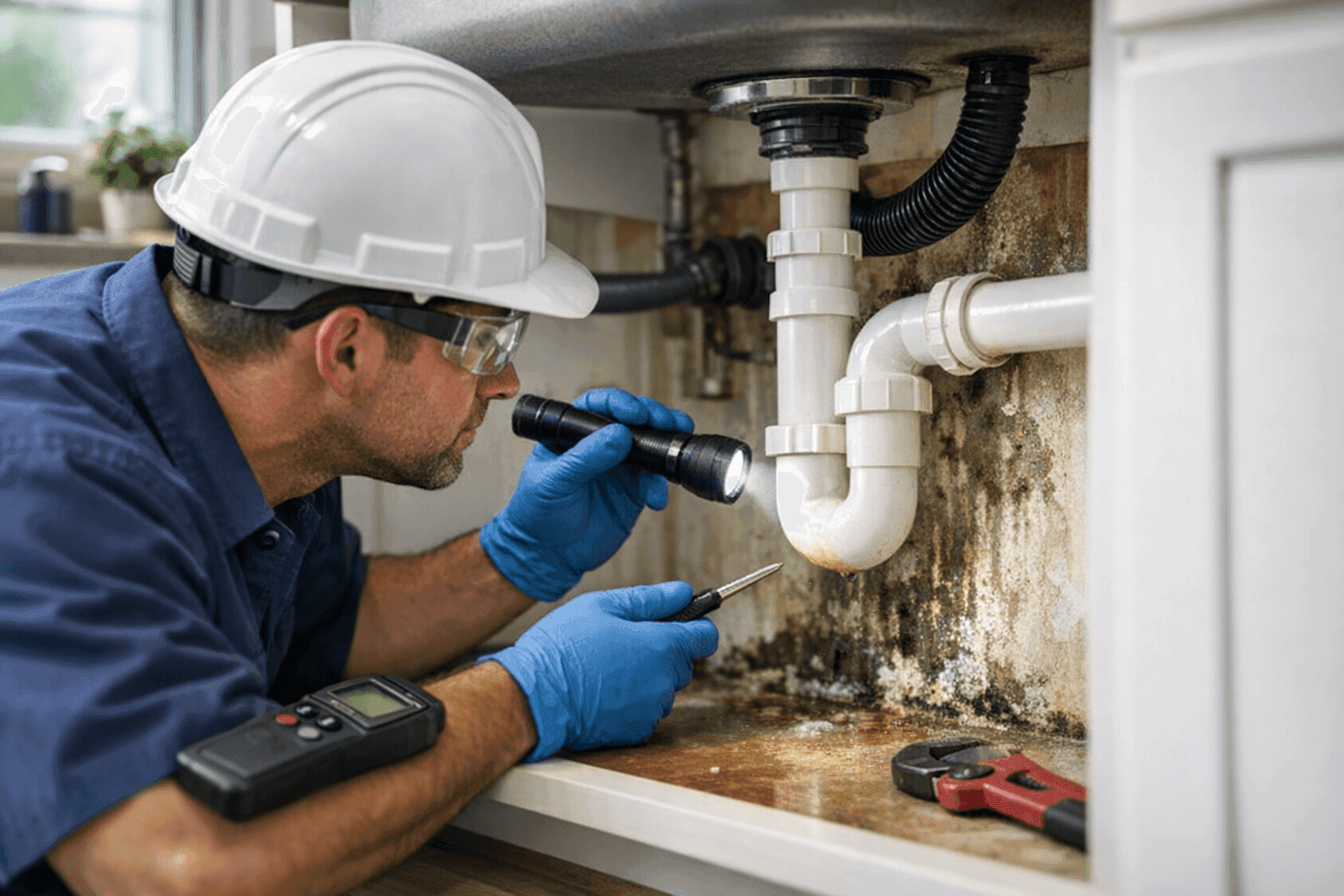
Plumbing leaks can sneak up on any homeowner. One minute, your bathroom is spotless; the next, there’s an earthy smell and a dark patch blooming behind the wall. Mold isn’t just unsightly—it’s a warning flag for hidden moisture and a risk to your home and health.
At Julius La Rosa Plumbing, we’ve seen how quickly a minor drip can turn into a major headache. Understanding why mold follows leaks, how to spot early signs, and what steps to take can save you money, time, and worry.
Why Leaks Cause Mold
Even a tiny leak acts like a slow drip from a leaky faucet—persistent, unnoticed, and relentless. Water seeps into drywall, floors, and wood. Mold spores—always floating in the air—find this moisture, and that’s when trouble begins.
Mold needs only three things: moisture, warmth, and something to eat (like wood or drywall). In just 24-48 hours, a hidden leak can provide the perfect environment for mold to grow. According to the Centers for Disease Control and Prevention (CDC), indoor mold can start to colonize in less than two days when moisture is present.
Common culprits include:
- Leaky pipes under sinks or behind walls
- Dripping water heaters
- Faulty washing machine hoses
- Failing seals around tubs and toilets
Think of mold like a weed in a garden—give it a little water, and it spreads fast.
Signs of Mold from Plumbing Issues 🕵️
You don’t need to be a plumber to spot warning signs. Mold often announces itself before it becomes visible.
Look (and sniff) for:
- Musty, earthy smells—especially after running water
- Stains or discoloration on ceilings, walls, or floors
- Peeling or bubbling paint or wallpaper
- Warped or buckling wood surfaces
- Allergy-like symptoms (sneezing, coughing, itchy eyes) that get worse indoors
Sometimes, the only clue is a spike in your water bill. If something feels off, trust your instincts—you know your home better than anyone.
Steps to Prevent Mold Growth
Stopping mold starts with stopping leaks. Prevention is much easier (and cheaper) than remediation.
1. Inspect Regularly
- Check under sinks, around toilets, and behind appliances for signs of moisture.
- Look for puddles, drips, or condensation.
- Use your nose—musty smells often appear before stains do.
2. Address Leaks Immediately
- Fix dripping faucets and running toilets right away.
- Don’t let “small” leaks linger; even minor drips add up over time.
For complex repairs or when you can’t find the source, consider a professional leak detection service. Sophisticated equipment can locate hidden leaks behind walls or underground, preventing unseen damage.
3. Keep Things Dry
- Run exhaust fans in bathrooms and kitchens during and after use.
- Wipe up spills promptly.
- Store towels and cleaning supplies in dry, well-ventilated spots.
4. Insulate Pipes
Cold pipes can sweat, especially in humid climates. Wrap exposed plumbing to prevent condensation (and mold).
5. Maintain Plumbing Fixtures
- Replace worn washers and supply lines before they fail.
- Schedule periodic plumbing inspections—think of it like a checkup for your home.
6. Monitor Humidity
Use a hygrometer to measure indoor humidity. Aim for 30–50% relative humidity. Dehumidifiers can help, especially in basements and laundry rooms.
Quick Safety Checklist 📝
Before you reach for the bleach, check these safety basics:
- Turn off the main water supply if you suspect a major leak.
- Don’t touch suspected mold with bare hands—use gloves and a mask.
- Avoid using fans on visible mold; it can spread spores.
- If water has reached electrical outlets, shut off power and avoid contact.
DIY vs. Call a Pro
Some jobs are safe for handy homeowners. Tightening a loose pipe or replacing a washer? Go for it. But if you find:
- Persistent stains or smells you can’t trace
- Wet drywall, ceilings, or floors
- Mold larger than a few square feet
It’s time to call in licensed help. Attempting to open walls or tackle extensive mold yourself can make things worse—or even risk your health.
What Plumbing Pros Do on Arrival
When Julius La Rosa Plumbing comes out, here’s what you can expect:
- Careful inspection using moisture meters and infrared cameras
- Pinpointing the exact source of the leak—no guesswork
- Swift, targeted repairs to stop further water intrusion
- Guidance on drying, cleaning, and monitoring affected areas
For repairs that stop leaks at the source, our leak repair specialists address everything from pipe joints to cracked fixtures.
Prevention & Maintenance Tips
Routine care is your best defense. Here’s a quick home maintenance rhythm:
- Test sump pumps every few months (especially before rainy season)
- Clean gutters and downspouts to direct water away from the foundation
- Inspect caulking and seals around tubs, showers, and sinks
- Replace hoses on washing machines and dishwashers every 5 years
A little vigilance goes a long way.
Costs & Time Factors
Fixing a leak early is like patching a small hole in your boat before it becomes a flood. Ignoring leaks leads to:
- Mold remediation costs
- Structural repairs
- Increased water bills
- Health risks
The price for proactive plumbing care is far less than the cost of mold removal and home repairs.
When Mold is an Emergency 🚨
If you see black or green mold, especially after a pipe bursts or a major leak, it’s time for urgent action.
- Evacuate the area if you have breathing issues or allergies
- Shut off the water main
- Call professionals immediately
Health authorities like the Environmental Protection Agency (EPA) recommend prompt, professional removal for extensive growth.
If you’re dealing with a sudden plumbing leak or need local help, our team is available in your area, including support for Pearl City homeowners.
Seasonal Considerations
Winter and spring bring their own mold risks:
- Frozen pipes can burst and leak when they thaw.
- Heavy rains can flood basements and crawl spaces.
- Summer humidity can cause condensation on uninsulated pipes.
Adjust your home routine each season. Check pipes before cold snaps, and inspect basements after storms.
Common Mistakes to Avoid
- Ignoring small leaks (“It’ll dry out on its own”)
- Using household fans to dry visible mold
- Painting over mold without fixing the source
- Delaying repairs due to cost—damage multiplies over time
The best time to stop mold is before it starts.
Timeline & Disruption
Minor repairs can take a few hours. Major leak detection or mold remediation may involve opening walls and take several days. Plan for some disruption, especially if repairs involve your kitchen or bathroom.
We work to minimize mess and downtime, but safety and thoroughness come first.
Materials & Equipment Used by Pros
- Moisture meters detect hidden dampness
- Thermal imaging cameras spot leaks behind walls
- Professional-grade dehumidifiers speed up drying
- Antimicrobial solutions treat affected surfaces
Home repairs may require basic tools, but persistent leaks or mold need specialized equipment.
FAQ: Your Mold & Leak Questions Answered
Q: Can I just clean up mold myself?
A: Small patches (under 10 square feet) can be cleaned with the right safety gear. Anything larger, or if you have health concerns, call a professional.
Q: How do I know if a leak is hidden?
A: Watch for unexplained stains, smells, or spikes in your water bill. If unsure, a leak detection inspection finds what the eye can’t see.
Q: Does homeowners insurance cover mold?
A: Coverage varies. Most policies cover sudden or accidental leaks, but not damage from long-term neglect. Check with your provider.
The Bottom Line on Mold Prevention
Leaks are sneaky. Mold is stubborn. But both can be stopped in their tracks with vigilance, quick action, and the right plumbing know-how.
If you notice a musty smell or spot water damage, don’t wait. Acting fast keeps your home safe and healthy.
Call Julius La Rosa Plumbing now — or reach us anytime at 855-598-5280 .